Understanding Independence Day
Independence Day in India, celebrated annually on August 15, commemorates the nation’s liberation from British colonial rule in 1947. This significant day marks the culmination of decades of struggle and sacrifice, characterized by the relentless efforts of numerous freedom fighters who sought to sever ties with colonial oppression and restore sovereignty to the people of India. The day is not merely a celebration of freedom; it epitomizes the resilience and unity of Indians, showcasing their rich heritage and diverse cultures.
The journey to independence was fraught with challenges, as various movements and uprisings emerged throughout the late 19th and early 20th centuries. Leaders like Mahatma Gandhi, Jawaharlal Nehru, and Sardar Vallabhbhai Patel played pivotal roles during this era, employing strategies that ranged from non-violent civil disobedience to mass protests. The British colonial regime, recognizing the growing unrest, eventually conceded to the demands of the Indian populace. On the eve of August 15, 1947, Jawaharlal Nehru delivered his famous “Tryst with Destiny” speech, marking the beginning of a new chapter in Indian history.
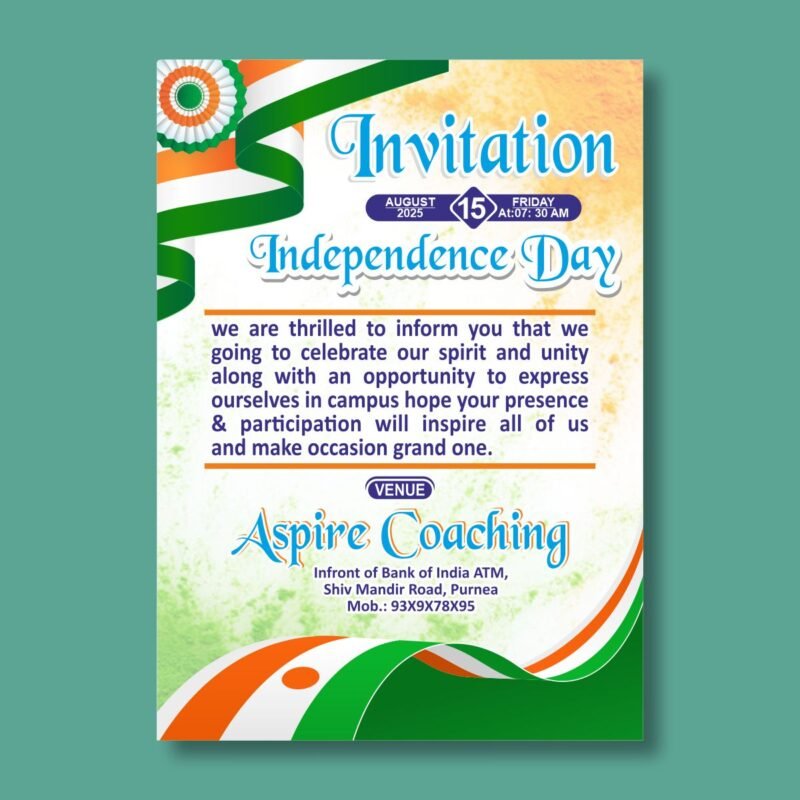
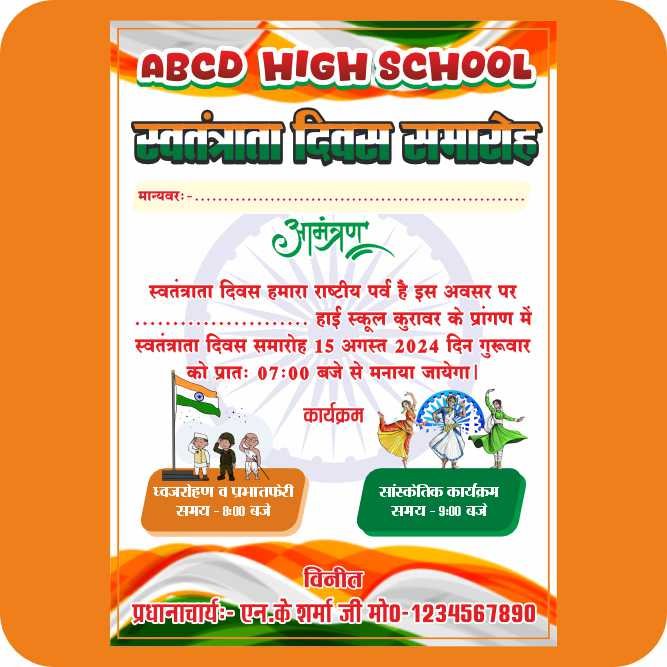
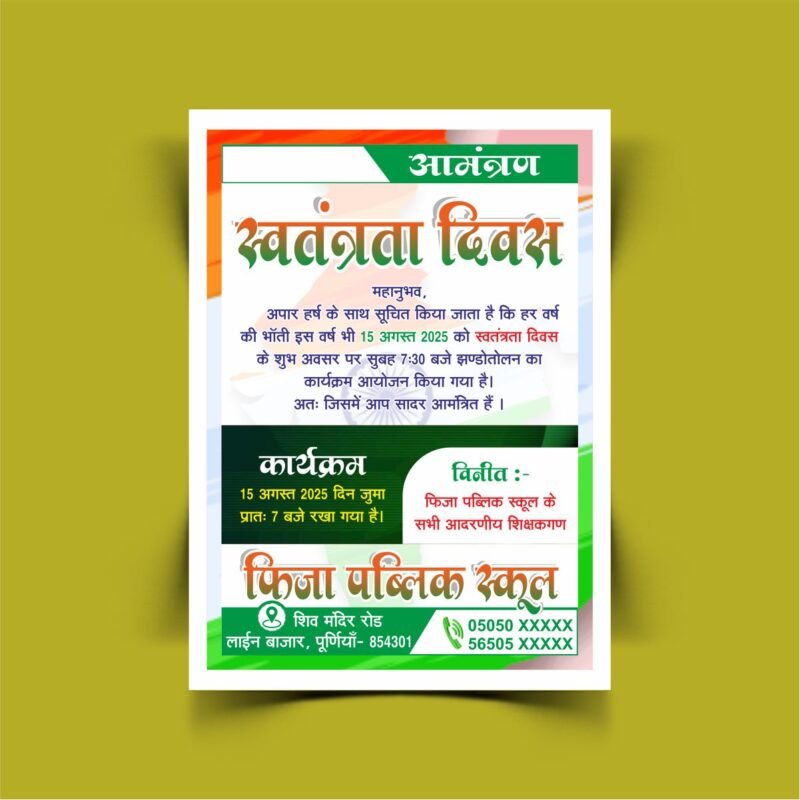
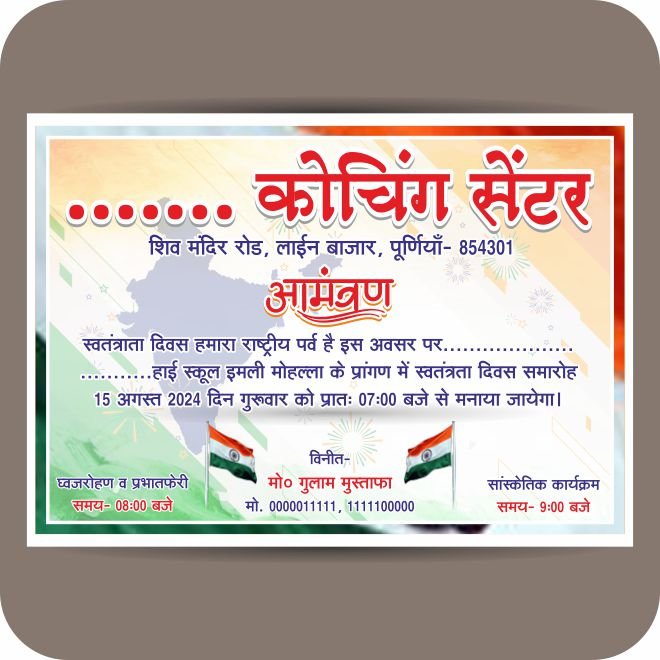
The significance of Independence Day goes beyond its historical context; it serves as an annual reminder of the collective sacrifices made for the nation’s freedom. It fosters a sense of patriotism among citizens, encouraging individuals to reflect upon their responsibilities towards the country while celebrating its achievements. Various events take place nationwide, including flag-hoisting ceremonies, cultural programs, and parades showcasing military prowess and artistic talents. Schools and institutions engage students in activities that promote awareness about India’s freedom struggle and its impact on national identity. Thus, Independence Day remains a cornerstone of India’s cultural fabric, symbolizing hope, unity, and the enduring spirit of freedom.
Historical Background
The struggle for India’s independence was a protracted and multifaceted endeavor that spanned several decades, rooted in a desire for self-determination and freedom from colonial rule. The British East India Company’s gradual encroachment in the 18th and 19th centuries laid the foundation for widespread discontent among the Indian populace. Major uprisings, such as the Revolt of 1857, marked one of the first organized challenges to British authority, although it ultimately did not achieve its goals. However, this event ignited a spirit of nationalism that only grew stronger with time.
The early 20th century witnessed the emergence of significant movements aimed at revitalizing the fight for independence. The formation of the Indian National Congress in 1885 provided a platform for leaders like Bal Gangadhar Tilak and Gopal Krishna Gokhale to advocate for civil rights and political reforms. The period also saw the introduction of non-violent resistance as a strategy, championed notably by Mahatma Gandhi, who galvanized mass support through campaigns like the Non-Cooperation Movement in the 1920s and the Salt March of 1930. These efforts underscored the power of collective dissent against oppressive policies and galvanized the Indian populace towards unity.
World War II further complicated the struggle, as the British demand for support led to increased disillusionment with colonial rule among Indians. The Quit India Movement of 1942 was a pivotal moment, as it marked a decisive call for immediate independence. The relentless persistence of freedom fighters, including figures such as Subhas Chandra Bose, outlined a vision for a sovereign India, free from foreign control. The sacrifices made by these leaders and millions of Indians were instrumental in shaping the nation’s destiny, leading to the eventual culmination of independence on August 15, 1947. This historical journey remains a source of inspiration and pride, reminding us of the immense sacrifices made in the name of liberty.
Significance of August 15th
August 15th marks a pivotal date in Indian history, symbolizing the culmination of a long and arduous struggle for independence from British colonial rule. This day is celebrated annually as Independence Day, a profound occasion that reverberates with emotional and cultural significance across the nation. The historical context of August 15, 1947, represents not just the end of an era of oppression, but also the dawn of freedom for millions of Indians. The pride and joy associated with this date unite citizens, fostering a shared sense of identity and purpose.
On this significant day, ceremonies take place nationwide, with the most notable being the flag hoisting event at the Red Fort in Delhi, attended by the Prime Minister and various dignitaries. The ceremonial aspects of the celebration feature the hoisting of the national flag, accompanied by the singing of the national anthem and a guard of honor. These events serve as a poignant reminder of the sacrifices made by freedom fighters who dedicated their lives to secure India’s sovereignty. The symbolism of the Indian tricolor is deeply ingrained in the cultural fabric, representing unity, integrity, and diversity.
The essence of August 15th transcends mere celebration; it embodies a spirit of patriotism that resonates in every corner of the country. Citizens engage in various activities, including cultural programs, parades, and community gatherings, reinforcing national pride and camaraderie. Schools and institutions organize events, promoting awareness of India’s rich heritage and values. These collective celebrations enable citizens of all ages to reflect on the journey towards independence while acknowledging the responsibilities that come with it. Each year, as the sun rises on August 15th, the air fills with anticipation and reverence, making this day a cornerstone of India’s collective memory and identity.
Expressions of Patriotism
Independence Day in India, celebrated on August 15th, serves as a vivid reflection of the nation’s rich history and cultural diversity. One of the most prominent expressions of patriotism during this significant day is the participation in parades. Across various cities, especially in metropolitan areas, grand parades are organized whereby citizens showcase their love for the country through displays of heritage, military might, and folklore. These events often involve performances by school children, traditional dancers, and cultural troupes that symbolize the unity of diverse languages, traditions, and practices. This spirit of national pride resonates deeply with spectators, fostering a sense of togetherness.
Singing the national anthem, “Jana Gana Mana,” constitutes another vital expression of patriotism. Schools and educational institutions encourage students to participate in flag hoisting ceremonies, where the anthem is melodiously rendered, instilling a strong sense of belonging and pride in young minds. Additionally, various organizations host events where leaders and members of the community gather to pay tribute to the sacrifices made during the struggle for independence, highlighting the role of every citizen in the country’s progress.
Moreover, community service emerges as an essential element of the day’s celebrations. Individuals and groups engage in activities such as cleanliness drives, tree planting, and helping underprivileged communities, emphasizing the responsibility towards nation’s development. Celebrations often differ across regions, as local customs, languages, and traditions enrich the festivities. For instance, in the northeastern states, traditional dances and folk music performances celebrate not only independence but also regional heritage. Such diverse celebrations embody the collective spirit of patriotism, showcasing the vibrant tapestry that is India.
Creative Ways to Celebrate – Arts and Crafts
Independence Day in India serves as a profound reminder of the nation’s heritage and the sacrifices made for freedom. One of the most engaging ways to honor this day is through arts and crafts, allowing individuals and families to express their patriotism creatively. Engaging in activities that involve artistic expression promotes community bonding while fostering creativity.
One of the popular initiatives during this time is the ‘best out of waste’ projects. This approach encourages individuals to repurpose materials that would otherwise be discarded, transforming them into artistic creations. From making tri-color flags out of old newspapers to crafting decorative items with plastic bottles, the possibilities are vast. Families can work together to create innovative pieces that symbolize their love for the nation.
Mixed media art is another excellent way to celebrate Independence Day creatively. Artists can combine various materials such as fabric, paper, and paint to create unique representations of India’s history and values. This technique not only allows for personal expression but also promotes discussions around the significance of the day, making it a perfect educational opportunity for children.
Clay modeling provides another interactive activity, allowing participants to sculpt items that represent the Indian culture and its symbols. Creating models of iconic landmarks or national emblems can serve as both an enjoyable pastime and a history lesson, as families delve into the meaning behind each symbol. Additionally, glass painting is increasingly popular, where individuals can decorate glass items with patriotic designs, adding color and vibrancy to their homes.
Through these artistic endeavors, communities can come together to celebrate Independence Day in a manner that is both fulfilling and memorable. Each crafted piece becomes a testament to creativity and patriotism, reminding everyone of the rich legacy of India’s independence.
Incorporating the Indian Flag in Crafts
The Indian flag, representing the country’s sovereignty, plays a crucial role in the celebration of Independence Day. Its tricolor design, featuring saffron, white, and green, carries profound meaning. Saffron symbolizes courage and sacrifice, white represents peace and truth, while green embodies faith and chivalry. By incorporating the Indian flag into crafts, individuals can celebrate these values while engaging in creative activities that foster patriotism.
Craft enthusiasts can begin by creating traditional paper crafts such as origami flags or paper mache models of the Indian flag. These projects often serve as an educational tool, allowing participants to explore the historical significance of the flag and its colors. Additionally, fabric crafts, such as flag-inspired tie-dye t-shirts or bandanas, provide an opportunity for families to wear their patriotism proudly. The incorporation of these colors into clothing not only promotes awareness but also serves as a delightful expression of national pride.
Another engaging craft involves making decorative items for homes. For instance, using eco-friendly materials to construct wall hangings or wreaths in the colors of the Indian flag amplifies the festive spirit of Independence Day. Residents can display these creations prominently in their homes or during community celebrations, thereby inspiring others to recognize and appreciate India’s rich heritage. Finally, crafting competitions, centered around the theme of the Indian flag, can unite communities and encourage participants to innovate while honoring national symbols.
By integrating the colors and insignia of the Indian flag into various crafting activities, individuals not only craft tangible items but also weave the threads of patriotism into the very fabric of their celebrations. This melding of creativity and national pride serves to invigorate the spirit of Independence Day, reinforcing the importance of understanding and respecting the symbols that embody a nation’s identity.
Role of Technology and Social Media
In recent years, technology and social media have emerged as pivotal elements in the celebration of Independence Day in India. With the advent of the internet, citizens have found innovative ways to engage in patriotic festivities through various digital platforms. Social media, in particular, plays a crucial role in fostering a sense of community and encouraging individuals to share their creative expressions related to this significant occasion.
Many online campaigns have been initiated to promote awareness and celebrate patriotism. Hashtags like #IndependenceDay2023 and #FreedomFighters have gained traction, allowing users to participate in discussions and share their thoughts on the significance of independence in contemporary India. These platforms enable the youth to contribute their perspectives, providing a rich tapestry of voices that reflect varied interpretations of nationalism and freedom.
Virtual events have also become commonplace, especially in the wake of the global pandemic, which restricted traditional public celebrations. Institutions, organizations, and communities have leveraged technology to host webinars, online debates, and cultural performances, ensuring that the spirit of Independence Day remains alive despite physical barriers. This shift to digital formats not only accommodates a larger audience but also promotes inclusivity by allowing participation from diverse geographic locations.
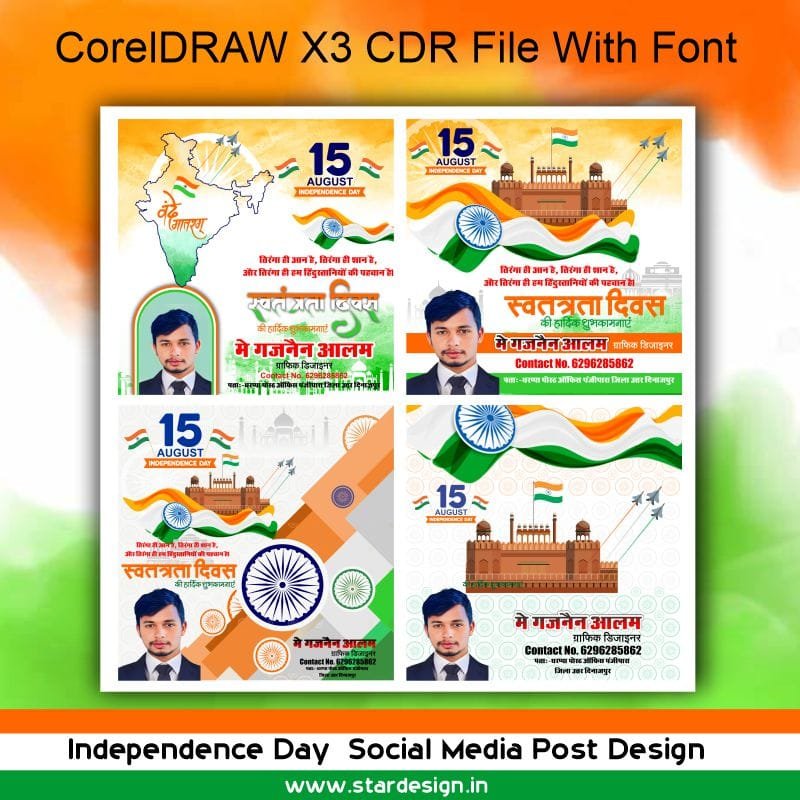
Moreover, digital art has flourished during Independence Day celebrations. Artists and creators utilize social media platforms to showcase their work, whether it be paintings, graphic designs, or short films that depict historical narratives and national pride. Such artistic expressions resonate with audiences, breathing new life into age-old stories and celebrating the country’s achievements.
In summary, the integration of technology and social media into the celebration of Independence Day serves as a powerful tool for connection and creativity, uniting individuals in a shared experience of commemoration and national pride. As these platforms continue to evolve, they will undoubtedly play an even more significant role in how future generations celebrate their independence.
Educational Activities for Children
Independence Day in India presents a unique opportunity for children to learn about the historical significance of this momentous occasion while exploring their creativity. Engaging in educational activities can help foster a deeper understanding of patriotism, citizenship, and the sacrifices made by freedom fighters. Here are some suggested activities that can encourage children to appreciate the values associated with Independence Day.
One effective way to instill a sense of pride in young learners is through school projects focused on India’s freedom struggle. Teachers can assign projects where students research prominent freedom fighters such as Mahatma Gandhi, Jawaharlal Nehru, and Subhas Chandra Bose. This can include creating informative posters or presentations that detail their contributions to India’s independence. Such projects not only reinforce historical knowledge but also promote teamwork and effective communication skills among peers.
Another engaging activity is organizing storytelling sessions dedicated to India’s rich history of its independence movement. Parents and educators can gather children to narrate inspiring stories of valor and resilience exemplified by various national heroes. This can be supplemented by discussions that encourage children to express their thoughts and feelings about the stories they hear, thereby fostering critical thinking and personal reflection on the concept of freedom.
Interactive discussions can also be conducted in classrooms to explore the broader themes of citizenship and national pride. Facilitated debates or group discussions can encourage students to articulate their ideas on what it means to be an Indian citizen and how they can contribute to the nation’s development. By drawing connections between their everyday actions and the larger context of national identity, children can cultivate a sense of responsibility towards their country.
These educational activities for children, centered around Independence Day, serve to create a nurturing environment that stimulates curiosity, encourages research, and promotes an appreciation for India’s diverse heritage. By participating in such endeavors, children not only celebrate this important day but also develop a lifelong passion for learning about their nation.
Looking Forward: The Future of Independence Day Celebrations
As we reflect on the significant milestones of India’s Independence Day, it is essential to consider how these celebrations might evolve in response to changing societal dynamics. The future of Independence Day celebrations will likely be influenced by a variety of factors, including technological advancements, the aspirations of younger generations, and the emergence of new cultural trends.
One notable change is the increasing role of younger individuals in shaping the narrative around independence. Today’s youth are more globally connected, often engaging with diverse perspectives that challenge traditional views. This generation may introduce innovative ways to celebrate Independence Day, utilizing social media platforms and digital creativity to express their patriotism. Online campaigns, virtual events, and interactive discussions can complement traditional practices, such as flag hoisting and cultural performances, enriching the overall experience.
Moreover, as India continues to grow and develop, new traditions may emerge while existing ones adapt to contemporary values. Community-based initiatives that promote inclusivity, diversity, and social responsibility are likely to gain prominence. Celebrations may increasingly reflect the pluralistic nature of Indian society, focusing on unity in diversity and fostering a collective spirit that transcends regional or cultural differences.
Furthermore, there is a considerable potential for integrating environmental consciousness into Independence Day celebrations. With growing awareness regarding ecological sustainability, future observances may find themselves prioritizing green initiatives, such as tree planting campaigns or eco-friendly festivities. This would not only honor the country’s heritage but also contribute positively to its future.
In conclusion, the future of Independence Day celebrations in India will likely be characterized by a blend of tradition and modernity. As younger generations take on a more active role, we can anticipate an evolution of practices that resonate with contemporary societal values while honoring the historical significance of independence. Embracing these changes will ensure that the spirit of freedom and patriotism remains vibrant for years to come.