Introduction to Pathology Lab Letterheads
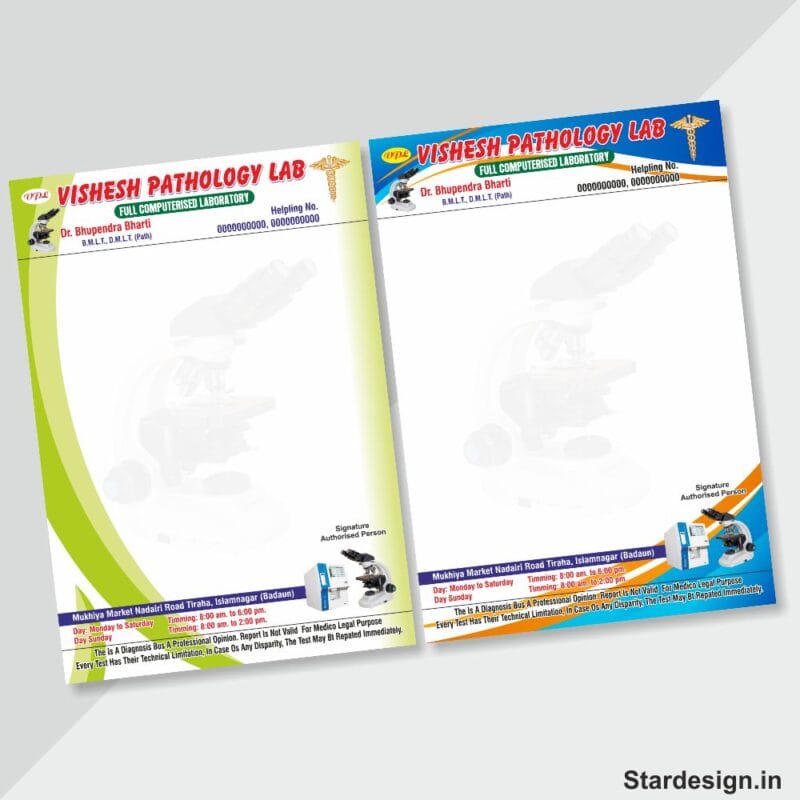
A pathology lab letterhead serves as an essential tool in establishing a professional identity for the laboratory. It encompasses key elements that reflect the lab’s brand while helping to convey important information to clients and referring physicians. A well-designed letterhead not only enhances the overall presentation of correspondence but also conveys credibility and trustworthiness, significantly impacting the perception of the lab’s services.
Consistency in branding is fundamental for any organization, and pathology labs are no exception. A letterhead that adheres to established branding guidelines—such as the use of the lab’s logo, corporate colors, and font styles—creates a cohesive image across all forms of communication. This visual consistency aids in reinforcing the lab’s identity and makes it easily recognizable, thus enhancing brand recall among clients and partners.
Furthermore, the letterhead often serves as a first point of contact with clients and referring physicians. Its design elements often convey professionalism and attention to detail. It showcases not only the laboratory’s name and contact details but can also include essential accreditations, making the lab appear more reliable and competent. Such aspects are vital, as they play a crucial role in influencing decisions regarding where to send specimens or seek diagnostic services.
In terms of practical benefits, an effective pathology lab letterhead can streamline communication processes by providing easily accessible contact information and protocols. This feature fosters better relationships with clients and referring physicians, thereby promoting improved collaboration and trust. Overall, the right letterhead design encapsulates a lab’s identity, creates a strong impression, and sustains professional relationships, making it a vital component of any pathology laboratory’s operational strategy.
Elements of an Effective Lab Letterhead
Creating an effective letterhead for a pathology lab is a crucial aspect of establishing a professional identity and facilitating seamless communication. Several key elements must be incorporated for a letterhead to be deemed effective. Firstly, the lab’s name plays a pivotal role in defining its brand. Clearly displaying the name in a prominent font ensures that it captures attention while reinforcing brand recognition.
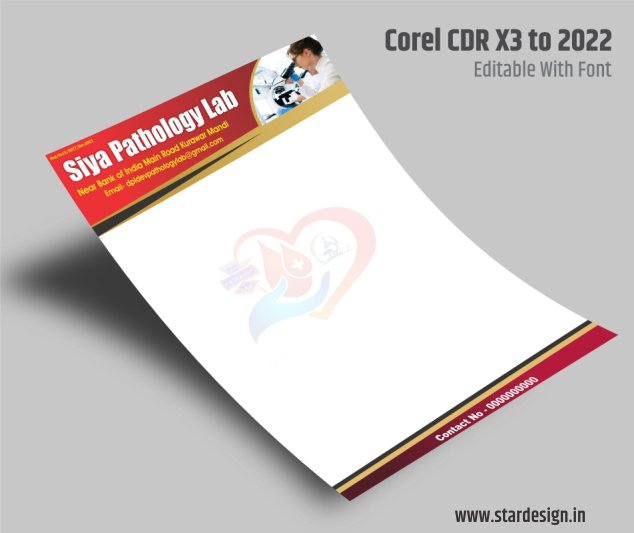
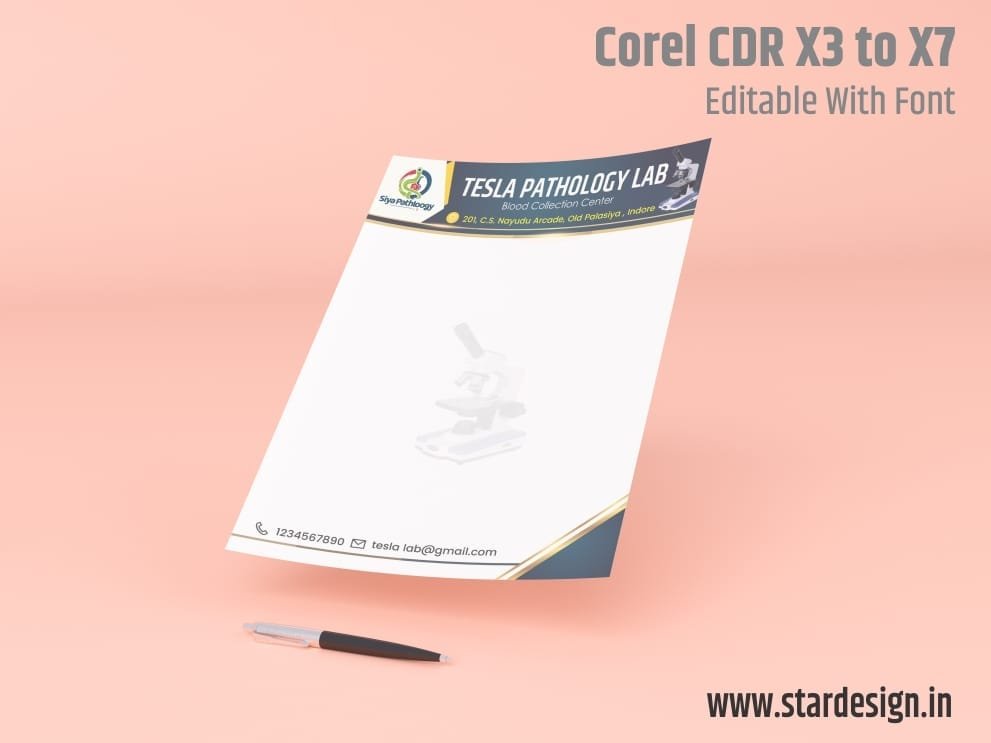
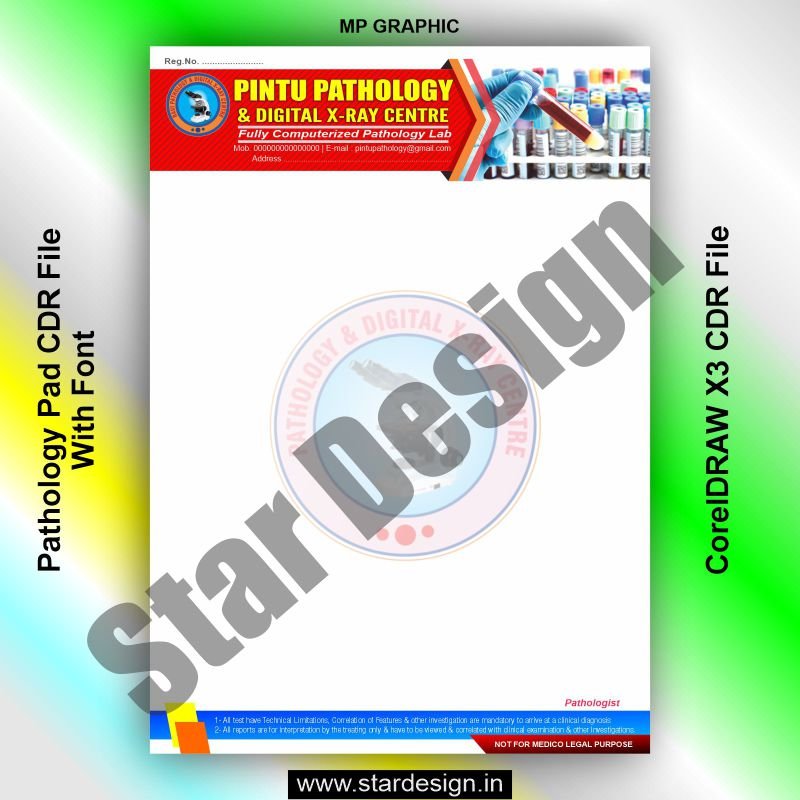
The inclusion of a logo serves as a visual representation of the lab’s professionalism and ethos. A well-designed logo can enhance brand visibility and trust. It is advisable to place the logo at the top of the letterhead to optimize its impact. Additionally, clear and concise contact information is essential. This should include a phone number, fax number, and email address to facilitate immediate communication. Accessibility is critical, especially in the medical field, where time-sensitive information often needs to be exchanged.
Including the lab’s physical address is another crucial aspect, as it provides legitimacy and can be vital for coordination with healthcare providers or patients. In today’s digital age, incorporating a website URL can enrich the letterhead, offering easy access to the lab’s services and information. Furthermore, the integration of QR codes can enhance functionality, allowing quick scanning to link to online resources or appointment scheduling.
Equally important is the layout and overall design. An effective letterhead should strike a balance between aesthetic appeal and readability. Utilizing white space thoughtfully can prevent overcrowding and ensure that key information stands out. The choice of font and colors should align with the laboratory’s branding while maintaining clarity. A clean design will facilitate effective communication, allowing important details to be easily comprehensible to the recipient.
Pathology Lab Letterhead Design Best Practices
When designing a pathology lab letterhead, several best practices should be adhered to in order to create a professional and effective representation of the lab. First and foremost, the color scheme is pivotal. It is advisable to select colors that reflect the identity of the lab while also instilling confidence and trust. For instance, blue is commonly associated with health care and evokes feelings of tranquility, while green can signify health and vitality. To ensure optimal cohesion, it is vital to use a limited palette, ideally two to three colors, to maintain visual consistency across various branding materials.
Typography is another critical element in the design of a pathology lab letterhead. The selected fonts should not only align with the lab’s brand identity but also remain legible and professional. Sans-serif fonts are often favored in medical settings due to their readability, particularly in digital formats. Incorporating the lab’s name in a larger, bold typeface can establish immediate recognition, while subordinate text, such as the address and contact details, should use a complementary font that is clear and slightly smaller. Striking a balance between branding and readability is essential; over-stylized fonts can detract from the professionalism expected in a pathology lab.
Visual aesthetics are also crucial in the overall letterhead design. Incorporating the laboratory’s logo prominently can enhance brand recall and lend authority to the correspondence. It is important to maintain a clean layout; excessive graphics or dense text can overwhelm the recipient and create a cluttered appearance. Ample white space around the text and graphical elements can facilitate a streamlined look, making the letterhead more appealing. By following these best practices, a pathology lab can create a letterhead that not only meets functional requirements but also resonates with its target audience effectively.
Using CDR Files for Lab Letterhead Design
When creating a professional letterhead for a pathology lab, utilizing CDR (CorelDRAW) files can significantly enhance the design process. CDR files are proprietary vector graphic formats that allow for extensive scalability without a loss of quality. This is particularly advantageous when designing letterheads, as it ensures that the logo and text remain sharp and legible regardless of the size adjustments made during the design phase. Furthermore, individual elements can be edited easily within CorelDRAW, facilitating quick adjustments to colors, fonts, or layouts according to specific branding requirements.
To begin designing a letterhead in CorelDRAW, it is essential to set up your document correctly. Start by opening CorelDRAW and selecting the appropriate page size, typically A4 or letter size, which aligns with standard printing specifications. After defining the page dimensions, consider incorporating guiding grids to maintain alignment and consistency throughout your design. These grids facilitate the placement of essential information such as the lab’s logo, contact details, and any additional branding elements.
Once the document is set up, import your logo into the CDR file. You can either create a new logo using CorelDRAW’s design tools or import an existing graphical file, such as a PNG or JPEG, to integrate with your letterhead. After placing the logo, use CorelDRAW’s text tool to add essential information, including the lab’s address, phone number, and email. It is advisable to select fonts that align with the lab’s branding and ensure readability.
After completing the design, it is vital to save the file in CDR format for future edits. When exporting the final version for print or digital distribution, choose formats such as PDF or PNG for optimal compatibility. Following these guidelines will ensure a professional and effective lab letterhead design that reflects the quality of services provided by your pathology lab.
Creating a Pathology Lab Report Pad Design
Designing a pathology lab report pad requires careful consideration of several essential elements that contribute to both functionality and branding. At the forefront of the design is the need to create an organized structure that allows for the clear presentation of patient information, test results, and laboratory metadata. The report pad should facilitate ease of use for medical professionals while ensuring that the necessary data is easily accessible.
One of the most crucial components of the report pad design is a designated area for patient information. This section should include fields such as the patient’s full name, date of birth, and unique patient identifier. Ensuring that this information is clearly labeled and easily fillable can significantly enhance the efficiency of the document. Next, space should be allocated for test results, which can include detailed observations, results, and any necessary annotations made by the pathologist. Including a standardized format for test results not only ensures uniformity but also enhances understanding by healthcare providers reviewing the report.
Furthermore, the report pad design must incorporate a section for laboratory metadata, such as laboratory name, contact information, and accreditation details. This aspect not only reinforces the credibility of the laboratory but also aids in establishing trust with referring physicians. To create a cohesive branding experience, the design of the report pad should seamlessly align with the pathology lab letterhead. This includes consistent font usage, color schemes, and logos, which contribute to a professional appearance and brand recognition.
Ultimately, striking a balance between aesthetics and functionality is vital in report pad design. Each feature must be thoughtfully integrated to serve its purpose without overwhelming the user. By following these guidelines, pathology laboratories can create effective report pads that enhance their service delivery and maintain a professional image.
Troubleshooting Common Design Challenges
Designing an effective letterhead and report pad for a pathology lab can present several challenges, particularly in terms of graphics resolution, color contrasts, and overall readability. Addressing these issues is crucial for ensuring that the letterhead conveys professionalism and clarity. One common problem encountered during the design process is poor image quality due to low graphics resolution. To rectify this, it is essential to use vector graphics for logos and images, as they can be scaled without loss of quality. Ensure that any raster images used are of at least 300 DPI (dots per inch) to maintain crispness, especially for printed materials.
Color contrast also plays a significant role in the effectiveness of a letterhead. Insufficient contrast can render text difficult to read, which diminishes the overall effectiveness of the communications. It is advisable to use a color contrast checker tool, which can help ascertain whether selected colors are accessible and visually appealing. For pathology labs, utilizing a professional palette that aligns with industry standards can enhance credibility while ensuring that the design remains legible.
Readability is fundamentally important in pathology lab letterheads to avoid miscommunication. This involves not only the choice of font but also font size and spacing. Selecting a clean, sans-serif typeface often enhances legibility. It is typically recommended to use a minimum font size of 10 points for body text and to ensure sufficient white space around text blocks to prevent a cluttered appearance.
For individuals facing these design challenges, leveraging software tools like Adobe Illustrator or Canva can streamline design efforts. These platforms offer templates and features that simplify the process of creating professional-looking letterheads and report pads. Additionally, seeking feedback from colleagues or utilizing online communities can provide fresh perspectives on potential design flaws and inspire innovative solutions.
Legal and Compliance Considerations
When designing a pathology lab letterhead, it is crucial to consider the legal and compliance aspects associated with medical documentation. Pathology labs, like all healthcare entities, are subject to stringent regulations that govern patient information and communication. One of the primary regulations is the Health Insurance Portability and Accountability Act (HIPAA), which mandates strict guidelines for the handling of protected health information (PHI). This necessitates careful consideration in the design of letterheads to ensure confidentiality is maintained throughout.
Incorporating necessary medical disclaimers on the letterhead is also a vital step. These disclaimers serve as important legal notices to inform recipients about the limitations regarding the information contained in the correspondence. For instance, statements regarding the intended audience or limitations of the medical advice can shield the lab from potential legal issues. Moreover, ensuring that any information shared complies with current medical standards is paramount to protecting the lab’s reputation and legal standing.
To align with compliance standards, every letterhead should exclude any identifying patient details unless explicitly authorized for use. To reinforce confidentiality, consider utilizing secure communication methods when disseminating patient-related correspondence. Additionally, maintaining an updated understanding of industry regulations will aid in producing documents that are both professional and compliant.
Furthermore, the design of the letterhead should reflect not only the lab’s identity but should also communicate professionalism and trustworthiness. This includes choosing appropriate fonts, colors, and layouts that are compliant with branding guidelines while ensuring readability. By thoughtfully addressing these legal and compliance considerations, pathology laboratories can create letterheads that uphold patient privacy, protect the organization legally, and maintain high standards of professionalism in all communications.
Incorporating Feedback for Improved Designs
In designing effective pathology lab letterheads and report pads, gathering feedback from both users and staff is an essential step that can significantly enhance the overall design process. Feedback serves as a valuable tool for identifying areas that require improvement and ensuring that the design resonates with its intended audience. This can be accomplished through various strategies aimed at soliciting constructive criticism and conducting usability tests.
One effective approach for gathering feedback involves setting up focus groups composed of lab staff, medical professionals, and other stakeholders who may interact with the letterhead in their day-to-day operations. These sessions should encourage open dialogue, allowing participants to express their opinions on the current design elements, such as layout, color schemes, and typography. Additionally, creating an online survey can capture a broader range of feedback, enabling you to analyze trends and preferences more systematically.
Once feedback is collected, usability testing becomes crucial. This involves presenting the proposed letterhead designs to users in realistic settings and observing how they interact with the materials. It offers insights into practical aspects, such as legibility and ease of use. During this stage, it is vital to ask targeted questions that can reveal users’ thoughts on the clarity of information presented, the professionalism conveyed, and how well the design meets its functional purpose.
After gathering feedback and conducting usability tests, it is important to analyze the results critically. Look for common themes and highlight areas that received both positive and negative comments. Use these insights to make iterative improvements to the designs, reflecting user preferences while maintaining the pathology lab’s branding standards. This user-centered approach ultimately leads to a more effective and appealing letterhead and report pad, enhancing communication and presenting a professional image to clients and stakeholders.
Conclusion: The Impact of Effective Letterhead Design
In the competitive field of pathology, the design of laboratory letterheads and report pads serves as a critical element of branding and communication. A well-crafted letterhead is more than just a piece of stationery; it reflects the identity and professionalism of the lab. It is often the first point of contact for clients, healthcare providers, and stakeholders, establishing an immediate impression that can influence trust and credibility. An effective letterhead combines aesthetic appeal with essential information, ensuring clarity and promoting a cohesive image of the lab’s professionalism.
The significance of investing in high-quality letterhead design goes beyond aesthetics; it enhances the operational efficiency of the laboratory. A properly designed letterhead provides essential contact information, ensuring that it is easily accessible to anyone needing to reach out. This not only streamlines communication but also minimizes the risk of errors, particularly in critical correspondence, such as lab results or pathology reports. Furthermore, a cohesive design across all communication materials, including letterheads and report pads, reinforces branding and establishes a recognizable presence within the healthcare community.
It is imperative for pathology labs to recognize that their letterhead design is a representation of their commitment to quality and professionalism. By allocating resources to develop a thoughtfully designed letterhead, labs can foster better relationships with clients and colleagues alike. Ultimately, investing in effective letterhead and report pad design not only enhances immediate interactions but also contributes to long-term organizational growth and success within the pathology field. Therefore, labs are encouraged to prioritize this essential aspect of their branding efforts for both present and future benefits.