

Introduction to Jashne Eid Milad un Nabi
Jashne Eid Milad un Nabi, commonly referred to as Milad un Nabi, is a momentous occasion in the Islamic calendar that celebrates the birth of the Prophet Muhammad (PBUH). This festival occurs on the 12th day of the month of Rabi al-Awwal, the third month in the Islamic lunar calendar. It holds significant religious and cultural importance for Muslims around the globe, as it serves as a reminder of the teachings and values brought forth by the Prophet Muhammad (PBUH). The day is characterized by various forms of remembrance and celebration, including prayers, sermons, and community gatherings.
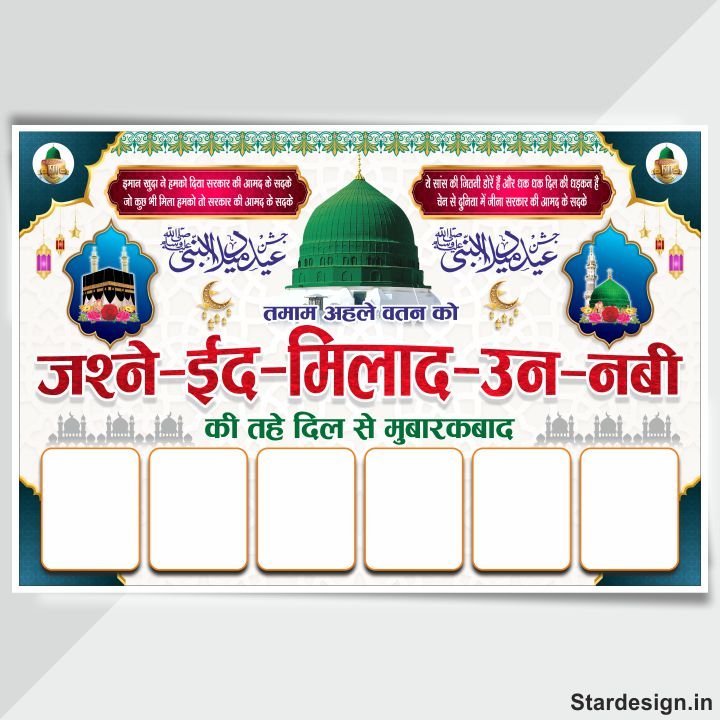
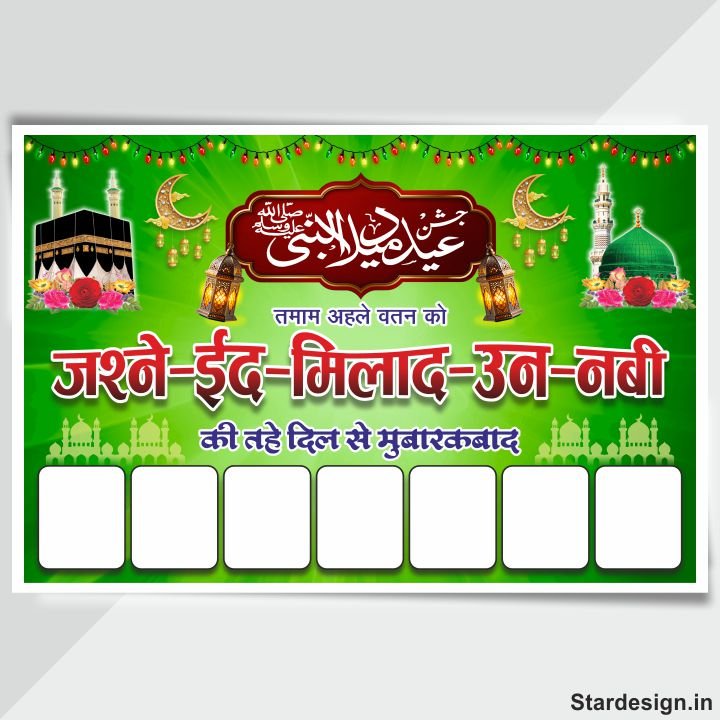
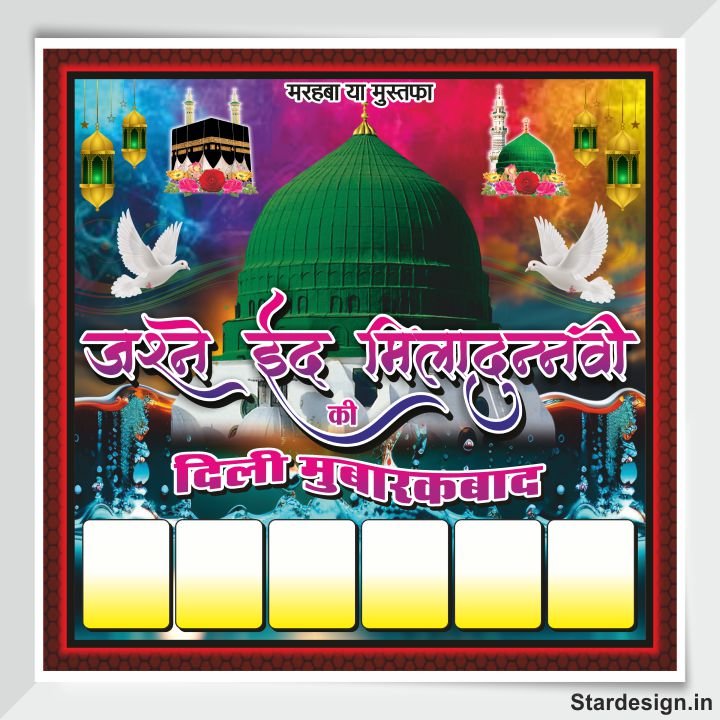
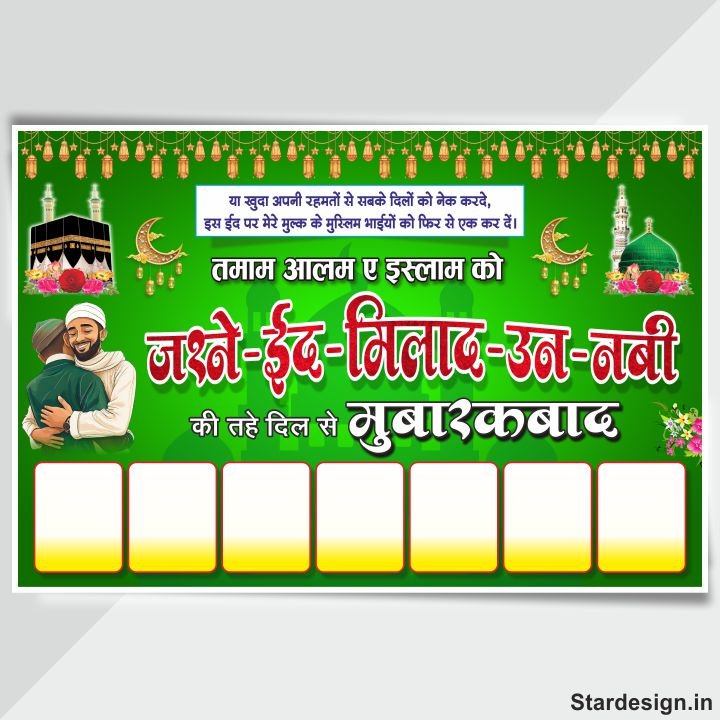
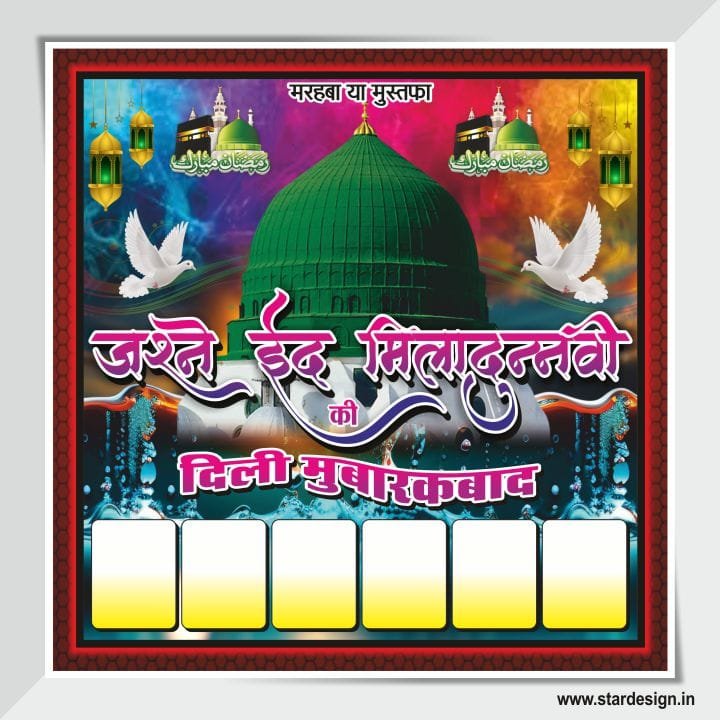
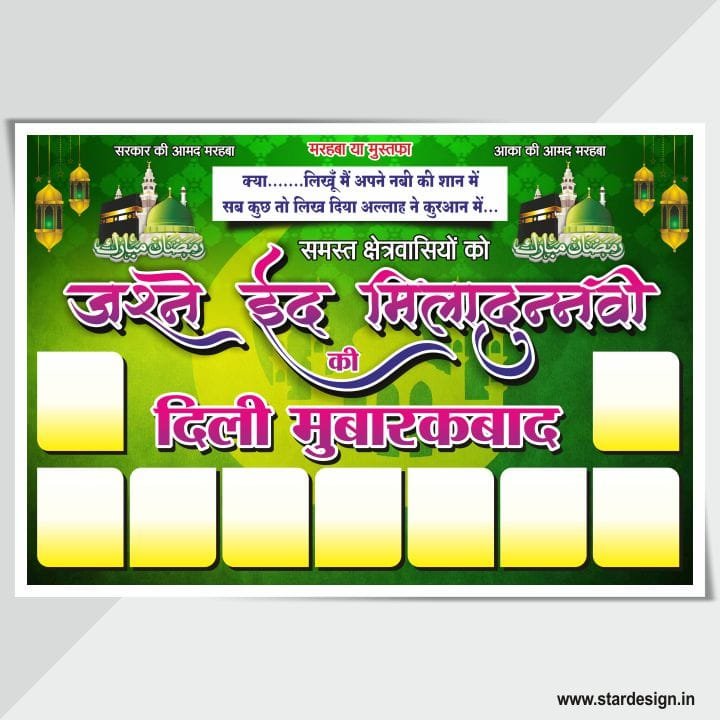
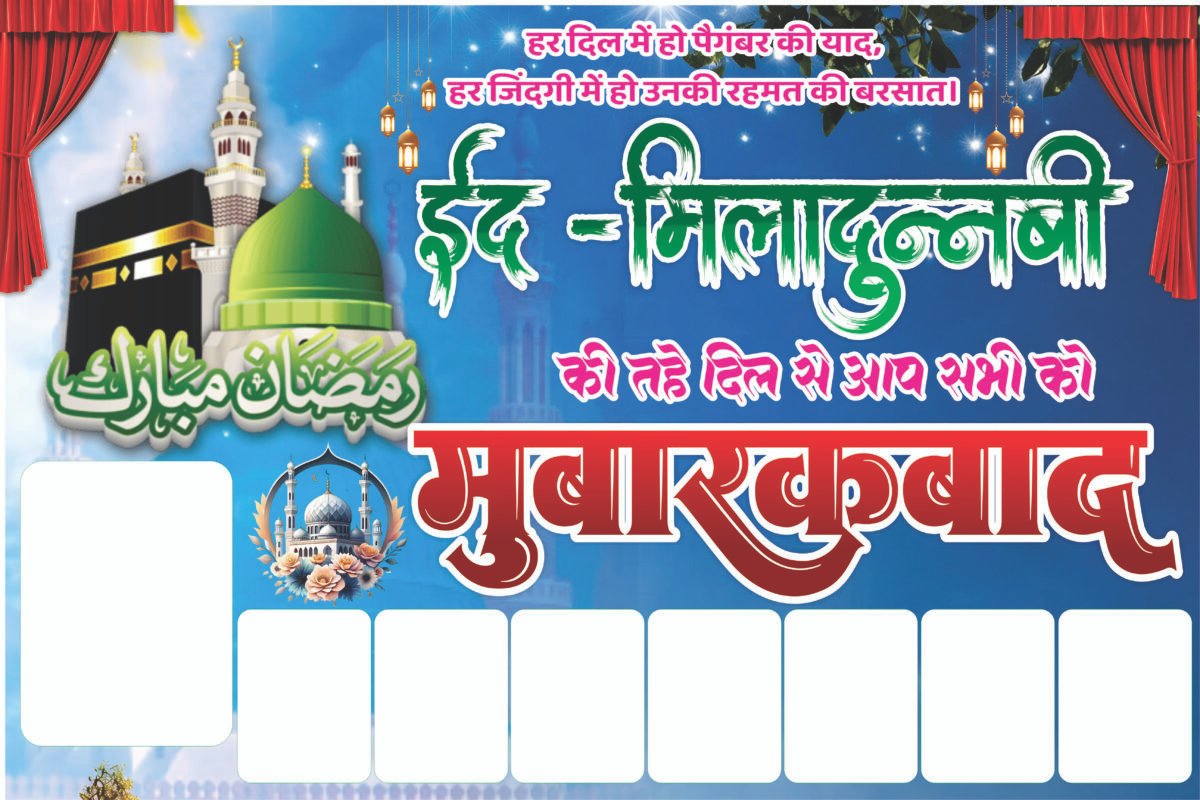
Culturally, Jashne Eid Milad un Nabi fosters a sense of unity among Muslims, regardless of their background or nationality. Communities come together to honor the life and legacy of the Prophet, and this often includes public processions, feasts, and the decoration of homes and places of worship. One of the most visually striking aspects of the celebration is the use of banners and decorations that reflect the spirit of the event. These visually appealing designs often incorporate Islamic motifs, colorful patterns, and calligraphy that highlight verses from the Quran or praises of the Prophet (PBUH).
Socially, the celebration of Jashne Eid Milad un Nabi acts as a platform for dialogue and understanding among diverse communities. It encourages acts of charity and compassion, aligning with the core values of Islam. As such, the festival serves not only to celebrate the life of a great prophet but also to reinforce the principles of love, tolerance, and togetherness in society. By creating stunning banners and invitations, participants add a creative touch that enhances the celebration, making it even more memorable for all attendees. The thoughtful design of banners can greatly impact the overall atmosphere of the festivities, allowing individuals to connect more deeply with the event’s significance.
The Importance of Banners in Celebrations
Banners play a significant role in enhancing the atmosphere of Eid Milad un Nabi celebrations. As a prominent form of visual communication, they convey messages of joy, unity, and devotion to the public. During this auspicious occasion, the presence of vibrantly colored banners not only beautifies the environment but also reflects the profound reverence the community holds for the birth of Prophet Muhammad (PBUH). These decorations act as a focal point, drawing attention and setting the tone for the festivities.
In educational settings, banners serve as informative tools, providing details about the events, timings, and agendas associated with the celebrations. This is particularly important in a community context, where many individuals may not be familiar with all the activities planned for the day. By displaying important information in an easily digestible format, banners contribute to smoother organization and participation in the events. Consequently, they enhance the overall celebratory atmosphere, promoting a sense of community involvement and engagement.
Moreover, banners serve as a medium for expression. Customized messages can articulate sentiments of gratitude, respect, and devotion towards the Prophet Muhammad (PBUH), allowing individuals and communities to voice their feelings openly. This expression resonates with onlookers, allowing them to feel a sense of belonging and shared commitment to the spiritual values celebrated during Eid Milad un Nabi. The resulting feeling of unity fosters a more profound connection among community members during this important festival. Ultimately, the thoughtful design and strategic placement of banners can contribute significantly to the joy and excitement that characterize the festivities, making them indispensable to the celebration of Eid Milad un Nabi.
Design Elements for Eid Milad un Nabi Banners
Creating stunning banners for Jashne Eid Milad un Nabi requires careful consideration of various design elements that honor the significance of this revered occasion. A well-designed banner not only attracts attention but also resonates with the spirit of the celebration. One of the primary aspects to consider is the color scheme. Traditionally, the use of green is prevalent, symbolizing peace and fertility, while various shades of blue and white represent serenity and purity. These colors can evoke feelings of tranquility and joy, making them ideal for capturing the essence of this auspicious day.
Typography plays a crucial role in communicating the message effectively. It is advisable to incorporate elegant fonts that are easy to read while maintaining a decorative touch. Arabic calligraphy can be an inspiring choice, as it adds a cultural richness that aligns perfectly with the occasion. However, it is important to ensure that the chosen typefaces complement the overall design and do not detract from the banner’s central message. The placement and size of the text should balance with the imagery to maintain visual harmony.
Imagery is another essential element in banner design. Incorporating images that reflect the themes of unity, love, and respect can significantly enhance the aesthetic appeal. Symbols such as stars, crescents, and mosques are commonly associated with Islamic celebrations and can be used effectively to reinforce the message of Eid Milad un Nabi. Additionally, imagery that portrays community gatherings or acts of kindness can evoke feelings of togetherness and celebration.
Incorporating these design elements thoughtfully will create a banner that not only looks appealing but also embodies the true spirit of Jashne Eid Milad un Nabi. Striking the right balance among color schemes, typography, and imagery will enhance the overall impact and ensure that the designed banners communicate their intended message with clarity and reverence.
Creating a Jashne Eid Milad un Nabi Banner: Step-by-Step Guide
Creating a visually appealing Jashne Eid Milad un Nabi banner involves several crucial steps that ensure a professional finish. First, selecting the right dimensions for your banner is essential. Consider where the banner will be displayed—whether online or in a physical space—as this will determine the size and resolution needed. For online use, a common dimension might be 1200 x 600 pixels, while for print, consider using standard sizes such as 24 x 36 inches.
Once the dimensions are set, the next step is to plan your layout. Sketch a rough design to visualize where elements will be positioned. Keep the principles of balance and alignment in mind to create a cohesive look. This is also the time to choose a color scheme that resonates with the festive spirit of Jashne Eid Milad un Nabi. Often, soft colors like shades of green, blue, and gold are popular choices that convey warmth and celebration.
The inclusion of images and graphics is another vital aspect. Download high-quality images or graphics that are relevant to the occasion. These might include Islamic motifs, scenes depicting the celebration, or symbols associated with the Prophet Muhammad’s life. Ensure that any images used are attributed appropriately if they are not original works. Once images are selected, incorporate them into your layout, maintaining an appropriate hierarchy between text and visuals.
Choosing the right font is equally significant; opt for clear and legible typefaces that reflect the occasion’s formality. Use contrasting colors for text to ensure readability against the background. When all design elements are positioned and adjusted, finalize your design by reviewing it for any inconsistencies or errors. Save the file in the appropriate format, such as JPEG for online banners or PDF for printing, ensuring high-quality resolution for the best presentation of your Jashne Eid Milad un Nabi banner.
Utilizing CDR Files for Professional Design
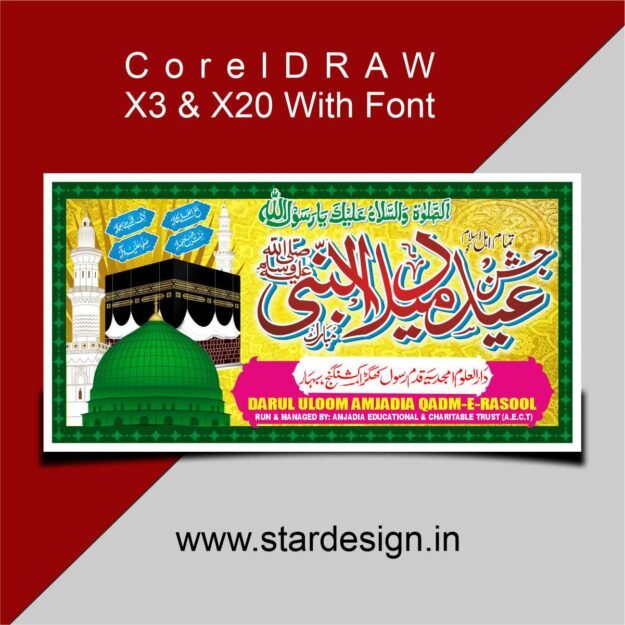
When it comes to crafting exceptional banners, utilizing CDR (CorelDRAW) files presents numerous advantages, particularly through the benefits of vector graphics. Vector graphics are based on mathematical equations rather than pixels, which grants users the ability to scale designs without compromising quality. This feature proves especially advantageous for banner design, where varying sizes can be required depending on the placement, whether it is for a storefront or an extensive promotional display. The resolution independence of CDR files ensures that the final output remains crisp and clear at any size.
Moreover, working with CorelDRAW also simplifies the design process. The software is equipped with a variety of tools that facilitate the manipulation of graphic elements, enriching the creative experience. Designers can easily experiment with colors, shapes, and images, allowing for a more dynamic and flexible workflow. This adaptability makes CDR files a preferred choice for professionals aspiring to achieve intricate designs that capture the spirit of Jashne Eid Milad un Nabi.
Exporting designs from CorelDRAW further enhances their practical use. The software allows users to save their work in multiple formats, such as PDF, SVG, and EPS, catering to diverse requirements for both digital and print applications. Understanding the specifications of each format is crucial; for example, PDFs are favored for printing while SVG files are appropriate for web usage due to their lightweight nature. When exporting, attention must also be paid to the color mode; switching to CMYK color mode is advisable for print items to ensure the colors adhere to the standards required by printing services.
Ultimately, using CDR files not only streamlines the design process but also ensures that professionals can create stunning banners that can make a significant impact during the celebrations of Jashne Eid Milad un Nabi.
Best Practices for Banner Printing and Display
Creating and displaying a banner for Jashne Eid Milad un Nabi goes beyond the design itself; it involves careful consideration of printing and display practices to ensure your banner effectively communicates the celebration’s spirit. Choosing the right material is paramount. For outdoor banners, durable vinyl or mesh materials are ideal as they withstand various weather conditions and prevent tearing. For indoor displays, fabric or paper can be used, providing a softer look and feel.
Printing techniques significantly impact the final product’s quality. Digital printing is popular due to its ability to produce vibrant colors and sharp images. High-resolution files are critical for achieving the best results; therefore, ensure that your designs are created with adequate resolution. Furthermore, consider working with professional print shops that have experience in producing event-related materials. They can provide valuable advice on suitable materials, finishes, and printing methods that enhance the visual appeal of your banner.
Size considerations should not be overlooked as they affect visibility and readability. A common guideline is to make sure that text is large enough to be read from a distance, particularly for outdoor banners. For instance, using letter heights of at least one inch for every ten feet of viewing distance is a sound rule. Additionally, consider the overall dimensions of your display area to create a banner that fits harmoniously within the space while still capturing attention.
Effective placement is crucial in maximizing the impact of your banner. Survey the location where the banner will be displayed and identify high-traffic areas. Hanging the banner at eye level allows for easy viewing, while proper lighting enhances visibility, especially in low-light conditions. By adhering to these best practices for banner printing and display, you can create a captivating and festive atmosphere that honors the occasion of Jashne Eid Milad un Nabi.
Inspiring Examples of Jashne Eid Milad un Nabi Design
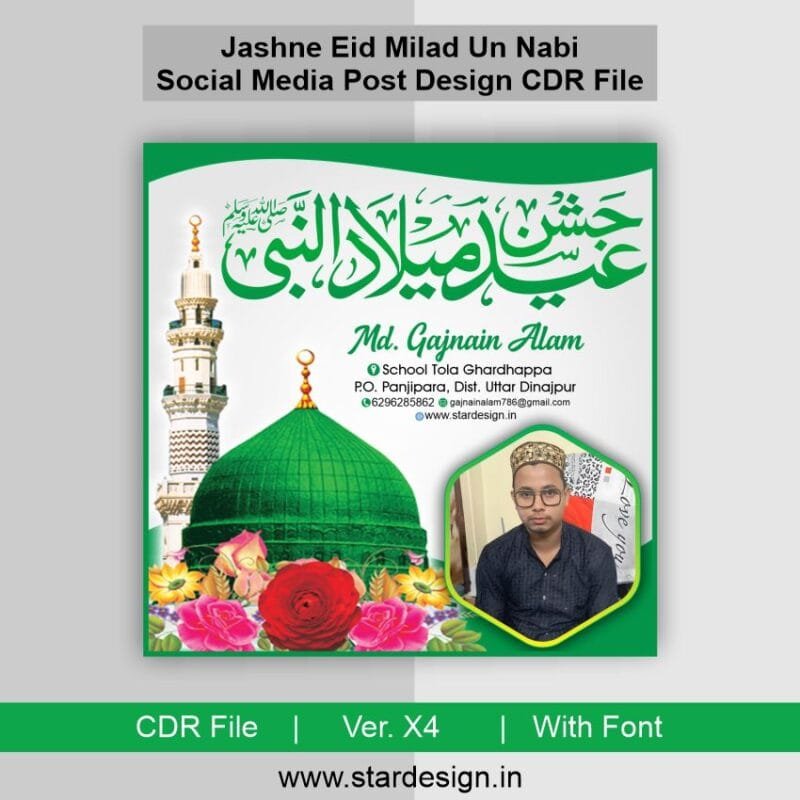
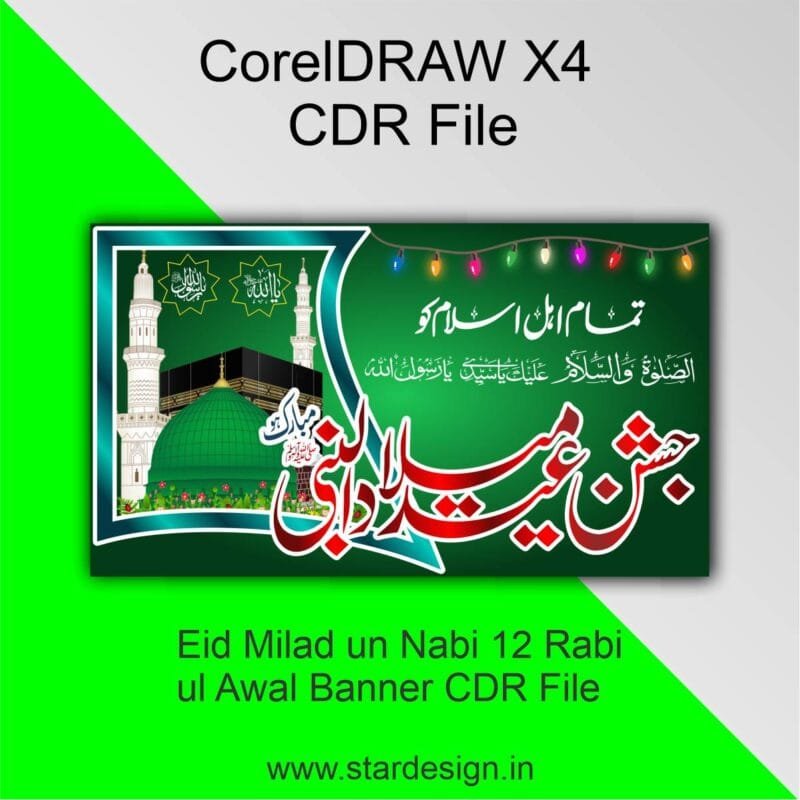
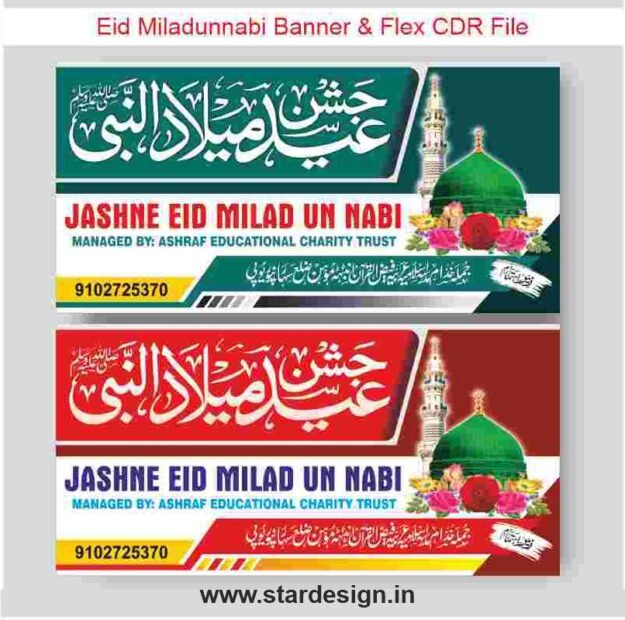
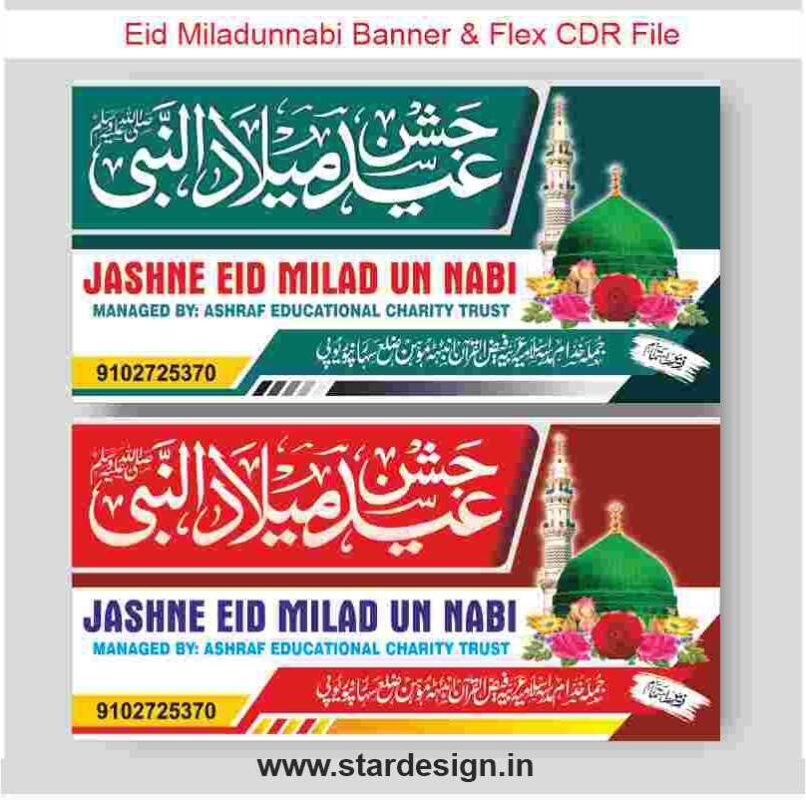
The celebration of Jashne Eid Milad un Nabi is marked by its vibrant and artistic displays, particularly through banners that reflect the significance of the occasion. Across the globe, communities come together to create stunning banners that capture the essence of this important event in Islamic culture. One notable example can be seen in the elaborate banners from South Asia, specifically in Pakistan and India. These banners often feature intricate calligraphy, showcasing verses from the Quran that highlight the virtues of Prophet Muhammad (PBUH). The use of bold colors, such as green and gold, symbolizes peace and prosperity, resonating deeply with the celebratory spirit.
In the Middle East, particularly in countries like Saudi Arabia and Iraq, banners take a more minimalist approach while still conveying profound messages. These designs often incorporate symbols such as the crescent moon and stars, alongside verses that reflect love and respect for the Prophet. The textures and fabrics used in these banners add an element of luxury and reverence, creating a visual appeal that is both striking and respectful. The effectiveness of these designs lies in their ability to combine traditional motifs with contemporary aesthetics, making them relevant to younger audiences.
Furthermore, in Western countries with significant Muslim communities, such as England and the United States, banners for Jashne Eid Milad un Nabi often serve an educational purpose. They not only celebrate the event but also inform the broader community about its significance. These banners incorporate images of community events and gatherings, fostering a sense of inclusivity. Overall, each design tells a unique story, blending artistic expression with cultural identity, and serves as a reminder of the importance of Milad un Nabi in uniting communities around shared values and beliefs. Such creative expressions enrich the celebration, making it truly unforgettable.
Community Engagement: Involving Others in the Design Process
Community involvement is crucial in the design and creation of banners for Jashne Eid Milad un Nabi. By fostering a collaborative atmosphere, the design process can benefit from the diverse inputs and creativity of individuals within the community. Engaging community members not only enhances the design quality but also promotes a sense of ownership and pride, as individuals see their contributions reflected in the final products.
Collaboration can take many forms, including workshops, brainstorming sessions, or online forums where community members can share ideas and artistic interpretations of the occasion. These workshops serve to educate participants about the significance of Jashne Eid Milad un Nabi while simultaneously providing a platform for artistic expression. Incorporating various artistic styles, such as calligraphy, painting, or digital design, adds depth and richness to the banners created.
Another effective approach is to reach out to local schools, art clubs, or cultural organizations to participate in the design process. This not only increases community engagement but also encourages intergenerational collaboration, allowing younger members to learn from elders and vice versa. Peer feedback during this collaborative journey can improve the designs and deepen participants’ connections to the celebration.
Furthermore, utilizing social media platforms to display preliminary designs and gather input from the broader community can help refine the overall aesthetic. Inviting community members to vote on designs fosters a sense of unity and strengthens communal ties as everyone rallies around a shared vision for the event. Overall, encouraging collective creativity leads to banners that truly resonate with the spirit of Jashne Eid Milad un Nabi while embodying the values, traditions, and artistic expression of the community.
Conclusion and Final Thoughts
In summary, the celebration of Jashne Eid Milad un Nabi holds great significance, and creating visually stunning banners is an influential way to express this reverence. Throughout this blog post, we have explored various aspects of banner design, emphasizing the importance of creativity, cultural relevance, and effective communication through visuals. The choice of colors, artistic elements, and the message conveyed play a crucial role in creating a banner that resonates with the spirit of the occasion.
Our discussion highlighted the need to respect the cultural and spiritual context of Eid Milad un Nabi when designing banners. It is essential that the designs reflect the values and traditions associated with this significant event. Integrating elements that symbolize love, peace, and respect ensures the banners serve not merely as decorations but as extensions of the emotional and spiritual essence of the celebration.
Moreover, we examined practical considerations in the implementation of these designs, such as material selection, placement, and visibility that enhance the impact of the banners. Such attention to detail ensures that the message is clearly communicated to the audience, fostering a deeper connection to the event.
We encourage readers to embrace their creativity and individuality in their design pursuits. Consider exploring various design software and tools available for enhancing your banner creations. Ultimately, your personal touch will craft a unique representation of your devotion while contributing to the overall festive atmosphere of Jashne Eid Milad un Nabi.
As you embark on your journey to design memorable banners, remember that the effort put into this aspect of celebration plays a vital role in uniting communities and fostering a shared appreciation for this cherished occasion.






I don’t unremarkably comment but I gotta tell thankyou for the post on this special one : D.