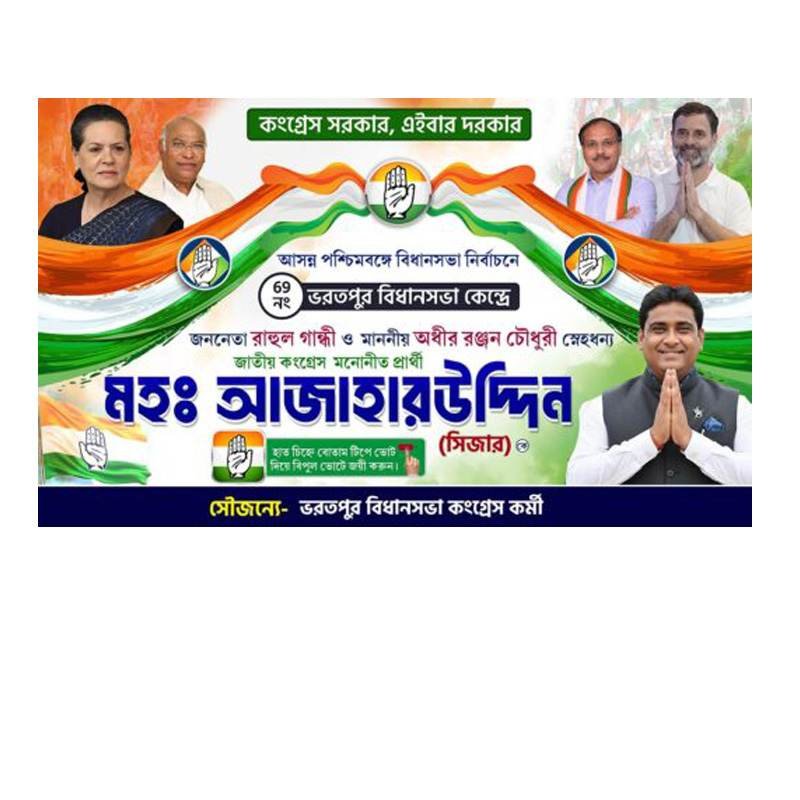
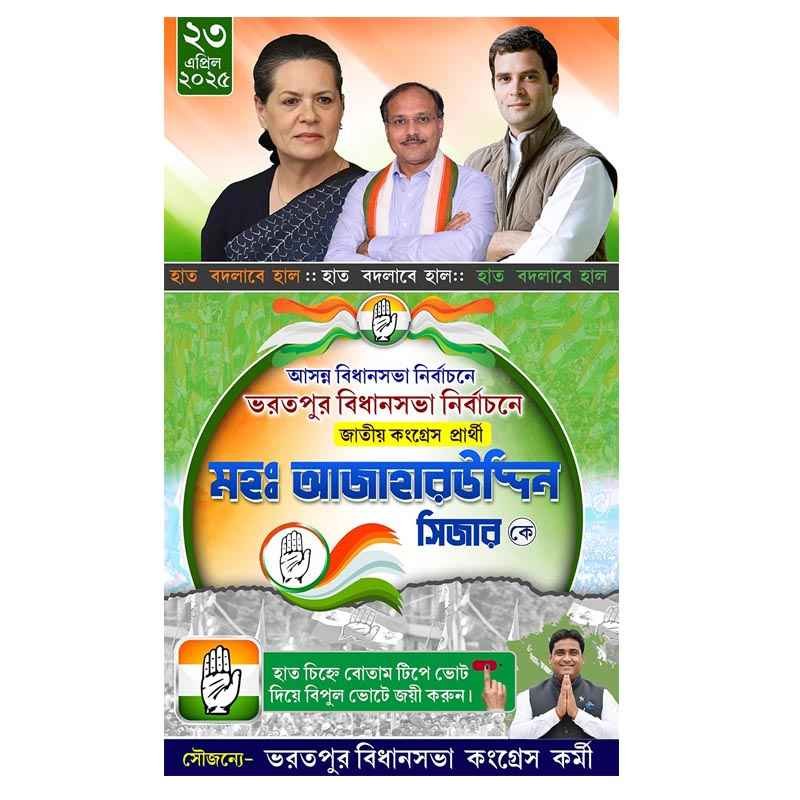
Introduction to the Importance of Banner Design in Elections
In the context of election campaigns, visual communication plays a pivotal role in conveying messages effectively to the electorate. One of the most influential forms of visual stimuli utilized in these campaigns is banner design. Banners not only serve as a medium to disseminate information but also have the potential to engage and attract voters. The effectiveness of a banner often hinges on its design elements, such as color, font, and imagery, which collectively influence public perception and engagement.
The psychological impact of colors cannot be understated. Specific colors can evoke emotions and associations, which are crucial during an election period when candidates strive to connect with voters on a deeper level. For instance, warm colors like red can invoke passion and excitement, whereas cooler tones such as blue may express trust and stability. Understanding the emotional resonance of colors can dramatically enhance the effectiveness of campaign banners.
Fonts also play an essential role in banner design. The typeface chosen can communicate a distinct personality of the campaign and its candidate. A modern sans-serif typeface may project a forward-thinking image, while a classic serif font could evoke tradition and reliability. Therefore, the text’s readability and visual appeal are paramount in ensuring that messages are not only conveyed but also retained by potential voters.
Imagery further complements the text and colors on banners, enhancing their overall impact. Relevant images can create immediate associations and are often more memorable than text alone. For instance, using photographs that depict a candidate interacting with constituents can foster a sense of connection and accessibility, which can be crucial for voter engagement. Ultimately, an effective banner design intertwines these elements to create a coherent and persuasive message that resonates with voters during critical election moments.
Understanding the Bengali Audience
The Bengali audience possesses a rich cultural heritage characterized by a unique blend of traditions, values, and preferences that significantly impact their engagement and responses to various forms of communication, including election banners. To effectively capture the attention of this demographic during the 2026 Congress election, it is crucial to appreciate their historical context and social dynamics.
One of the most salient features of Bengali culture is its emphasis on education and intellectual discourse. The Bengali community has long been known for its literary contributions and art forms, often showcasing a fondness for storytelling and poetic expressions. Thus, election banners catering to this audience should incorporate elements that resonate with their affinity for literature and art, such as thought-provoking quotes or culturally significant imagery, which reflects their love for the arts.
Furthermore, family values hold profound significance among Bengalis, often guiding their social interactions. This cultural aspect can be leveraged in banner designs by incorporating themes of unity and community. Visual representations of familial bonds or communal gatherings can evoke a sense of togetherness, appealing to the sensibilities of the Bengali population. Additionally, motifs from Bengali folklore and festivals, which showcase communal celebrations, can effectively capture their interest and create a sense of belonging.
Moreover, aesthetics play a pivotal role in capturing the attention of the Bengali audience. They tend to favor vibrant colors and intricate designs, which reflect the artistic heritage of the region. Thus, banners should utilize a color palette and graphical elements that resonate with this preference, ensuring that the designs are both visually appealing and culturally relevant.
In conclusion, recognizing and incorporating the cultural values, traditions, and aesthetic preferences of the Bengali demographic is essential in designing engaging election banners. By aligning the creative elements with these considerations, it becomes possible to create a compelling visual narrative that not only resonates with the audience but also encourages civic participation in the upcoming electoral process.
Key Elements of Effective Banner Design
Designing engaging banners for the 2026 Congress Election necessitates a keen understanding of several foundational elements. First, typography plays a crucial role in ensuring that the text is legible and stands out. The choice of font should reflect the tone of the campaign while being easily readable from a distance. Sans-serif fonts are often preferred for their clean lines and clarity. Additionally, the size of the font should vary, with larger sizes for headlines and smaller sizes for supplementary information, thus guiding the viewer’s attention appropriately.
Imagery is another vital component of effective banner design. Strong visuals can capture attention and convey messages more powerfully than words alone. Selecting high-quality images that resonate with the target audience is essential. Relevant photographs, graphics, or illustrations can evoke emotions and create a connection with passersby. It is important to ensure that the images adopted align with the overall campaign message to maintain consistency.
The color scheme of the banner should be carefully curated to elicit specific emotions and reactions from viewers. Colors can significantly influence perception; for instance, blue is often associated with trust, while red can denote passion or urgency. Using contrasting colors for text and background can enhance readability and attract attention. Furthermore, maintaining a cohesive palette with no more than three primary colors will avoid overwhelming the audience.
The layout of the banner should facilitate easy navigation through its elements. A balanced design that prioritizes key information leads to better engagement. This can achieve, in part, by employing white space effectively to create a clean and organized appearance, making it easier for the audience to absorb the critical messages. Ultimately, clear and concise messaging combined with cohesive branding will form the foundation of an effective banner design for the upcoming election.
Incorporating Local Themes and Symbols
Designing effective banners for the 2026 Congress Election requires a well-thought-out approach that resonates with the local electorate, especially in culturally rich regions like Bengal. One of the key strategies in banner design is the incorporation of local themes and symbols that evoke a sense of identity and pride among the voters. These elements not only make the banners visually appealing but also foster a deeper connection between the candidates and the constituents.
Utilizing local motifs, such as the iconic terracotta imagery, can significantly enhance the recognition of election banners. Moreover, colors that hold cultural significance — such as red and white, known from various festivals and traditional arts — should be central to the design. The strategic use of these colors can create an immediate, emotional response from the viewers. Furthermore, symbols that represent regional folklore, historical landmarks, and local flora and fauna can also be effectively integrated into the design, making them more relatable to the community.
In addition to graphics and symbols, the inclusion of local dialects or phrases in the text can also significantly contribute to the effectiveness of the banners. Utilizing the vernacular language resonates well with the electorate, as it demonstrates an understanding of the community’s cultural context. This approach establishes authenticity and reinforces the connection between the candidates and the local voters.
Ultimately, the goal is to craft banners that are not just informative but also inspirational. They should tell a story that reflects the aspirations and challenges of the local populace. By integrating local themes and symbols thoughtfully, candidates can enhance their visibility and engage meaningfully with the electorate in the upcoming elections.
Best Practices for Banner Design
Creating effective banners for the 2026 Congress Election requires a balance of creativity and practicality. To ensure that your banners are not only visually appealing but also impactful, consider the following best practices.
First and foremost, selecting the right materials is crucial. The material should be sturdy yet flexible enough to withstand various weather conditions if displayed outdoors. Vinyl is a popular choice for its durability, while fabric may be considered for indoor events. Additionally, different materials can influence the vibrancy of colors; hence, testing samples can be key in making a final decision.
Visibility is paramount when designing your banners. This encompasses the size and placement of the text and graphics. Use large, bold fonts for the primary message, ensuring that it can be easily read from a distance. High-contrast color combinations, such as white text on a dark background, enhance readability. Additionally, streamline your message to avoid clutter; a focused design with a clear call to action is more likely to engage your audience.
Next, optimizing designs for various display locations can significantly enhance the impact of your banners. Consider where the banners will be displayed; factors such as lighting and background colors can affect visibility. For instance, if your banner will be shown in a sunny location, colors might fade, so opting for UV-resistant inks can be beneficial. Similarly, consider the height at which the banner will be hung; incorporating an adjustable design allows for flexibility in different settings.
Lastly, continually gather feedback on your banner designs. Engaging with a focus group or utilizing surveys can provide insights into how your banners are perceived. This iterative approach ensures that you refine your designs, adapting to audience preferences and potential improvements in design techniques.
Case Studies: Successful Bengali Banner Designs in Past Elections
In the realm of political campaigning, visuals hold a remarkable power to convey messages and ignite emotions within voters. Examining previous congressional elections in Bengal provides a rich tapestry of successful Bengali banner designs that captivated audiences and encouraged voter engagement. One notable example is the 2019 election, where the use of vibrant colors combined with relatable imagery created an emotional resonance with the electorate.
During this election cycle, one prominent party adopted a unique approach by integrating local cultural symbols into their banner designs. This strategy not only enhanced familiarity but also fostered a sense of belonging among voters. The banners featured local icons reinterpreted in modern visual styles, appealing to younger demographics while retaining the essence and values cherished by older generations. High-contrast color schemes were employed to ensure visibility, particularly in crowded rallies, contributing to heightened recognizability and retention of the party’s message.
Another successful case study can be found in the 2021 elections, where emotional storytelling played a significant role in banner design. A particular campaign utilized bold slogans and striking images that reflected the aspirations and struggles of the local populace. This direct connection with voters’ experiences enabled the banners to serve not just as political advertisements but as calls to action. The use of real-life story snippets woven into the designs resonated, showcasing how the candidate aimed to bring about change. This strategy proved effective in mobilizing support and generating discussions surrounding key issues.
These case studies illustrate the importance of thoughtful banner design in past Bengali elections. The combination of local elements, emotional storytelling, and attention to visibility continues to set a precedent for future banner designs in political contexts. Engaging visuals are not merely an aesthetic choice; they are vital tools for inspiring voter participation and creating a connection between candidates and constituents.
Digital vs. Physical: Choosing the Right Format for Your Banner
In the context of the 2026 Congress Election, designing engaging banners requires careful consideration of the format used. Both digital and physical banners offer unique advantages, as well as certain drawbacks. Understanding these can help campaign teams select the most effective medium for their messaging.
Digital banners, often utilized in online spaces such as social media platforms and websites, allow for high levels of creativity and interactivity. They can incorporate animations, links, and multimedia elements that enhance user engagement. Moreover, digital formats can be easily updated or modified to reflect real-time information, making them versatile tools for election campaigns. However, reliance on digital media necessitates access to reliable internet service and may limit visibility in areas or demographics less engaged with online platforms.
Conversely, physical banners, such as those displayed in public areas or during rallies, serve to reach audiences who may not engage with digital content. These tangible formats can create a sense of presence and community, effectively capturing the attention of passersby. Physical banners, however, require significant logistical considerations, including design, printing, and permissions for placement. Their reach is limited to specific locations, making it essential to strategically select high-traffic areas for installation.
The choice between digital and physical banners should ultimately reflect the campaign’s target audience and objectives. A blended approach may prove advantageous, utilizing digital formats to promote online engagement while deploying physical banners to solidify local presence. Understanding the strengths and weaknesses of each format is crucial for making informed decisions that can significantly impact voter outreach efforts during the 2026 Congress Election.
Engaging Graphic Designers and Artists
Collaborating with graphic designers and artists is paramount in bringing your vision for Bengali banners to life, especially in the context of the 2026 Congress Election. Effective collaboration hinges on clear communication, which serves as the foundation for a successful partnership. Engaging designers requires a deep understanding of your objectives, target audience, and message, so preparing a detailed creative brief can set the stage for fruitful discussions and brainstorming sessions.
One of the essential aspects of collaboration is establishing an open channel for feedback. During the design process, it is vital to provide constructive critique, focusing on specific elements such as color, typography, and imagery. Deliberately articulating what resonates and what does not can help designers refine their work and align it more closely with your vision. This two-way communication fosters an environment where creativity can thrive, as both parties feel valued and understood.
Moreover, allowing designers and artists the freedom to explore their creative instincts has a significant impact on the project. It is essential to recognize the unique perspectives and expertise that each designer brings to the table. By encouraging them to experiment with different styles and concepts, you can uncover innovative ideas that might otherwise remain dormant. This approach not only enhances the quality of the banners but also contributes to the professional growth of the designers involved.
Incorporating regular check-ins and revisions throughout the design process can also help in steering the project towards the desired outcome. Establishing timelines and milestone reviews can contribute to maintaining momentum while allowing space for creativity to flourish. Ultimately, a collaborative spirit that values communication, feedback, and artistic freedom will lead to the creation of engaging and impactful banners that resonate with voters during the upcoming 2026 Congress Election.
Conclusion and Call to Action for the 2026 Election Campaign
As we approach the 2026 Congress election, the importance of engaging Bengali banner designs cannot be overstated. Thoughtful banner design plays a critical role in shaping public perception and encouraging voter turnout. Effective banners are not just decorative elements; rather, they serve as vital communication tools that convey messaging, values, and emotions intended to resonate with the electorate. The complexity of the election atmosphere compels campaign managers and volunteers to create visually appealing and easily comprehensible banners that stand out in today’s saturated media landscape.
In an ever-evolving digital age, where first impressions are often the deciding factor, banners must capture the essence of a campaign’s vision while adhering to cultural nuances. With Bengali being the predominant language in the area, ensuring that banners feature meaningful and well-articulated messages is essential for fostering a connection with the electorate. Integrating local symbols, colors, and scripts can enhance relatability, thus encouraging engagement among potential voters.
As stakeholders in the election process, it is imperative for candidates, designers, and campaign staff to embrace these principles in banner creation. A proactive approach, involving brainstorming sessions to gather ideas, understanding target audiences, and iterating designs based on feedback, is vital. The crafting of effective banners requires collaboration between artists and strategists to align visuals with campaign objectives. With these strategies in place, engaging banners can play a pivotal role in swaying public opinion.
In conclusion, as we gear up for the upcoming 2026 Congress election, let us harness the power of effective banner designs to inspire and mobilize voters. The time to start planning is now, and the collective effort can make a substantial difference in the electoral landscape.