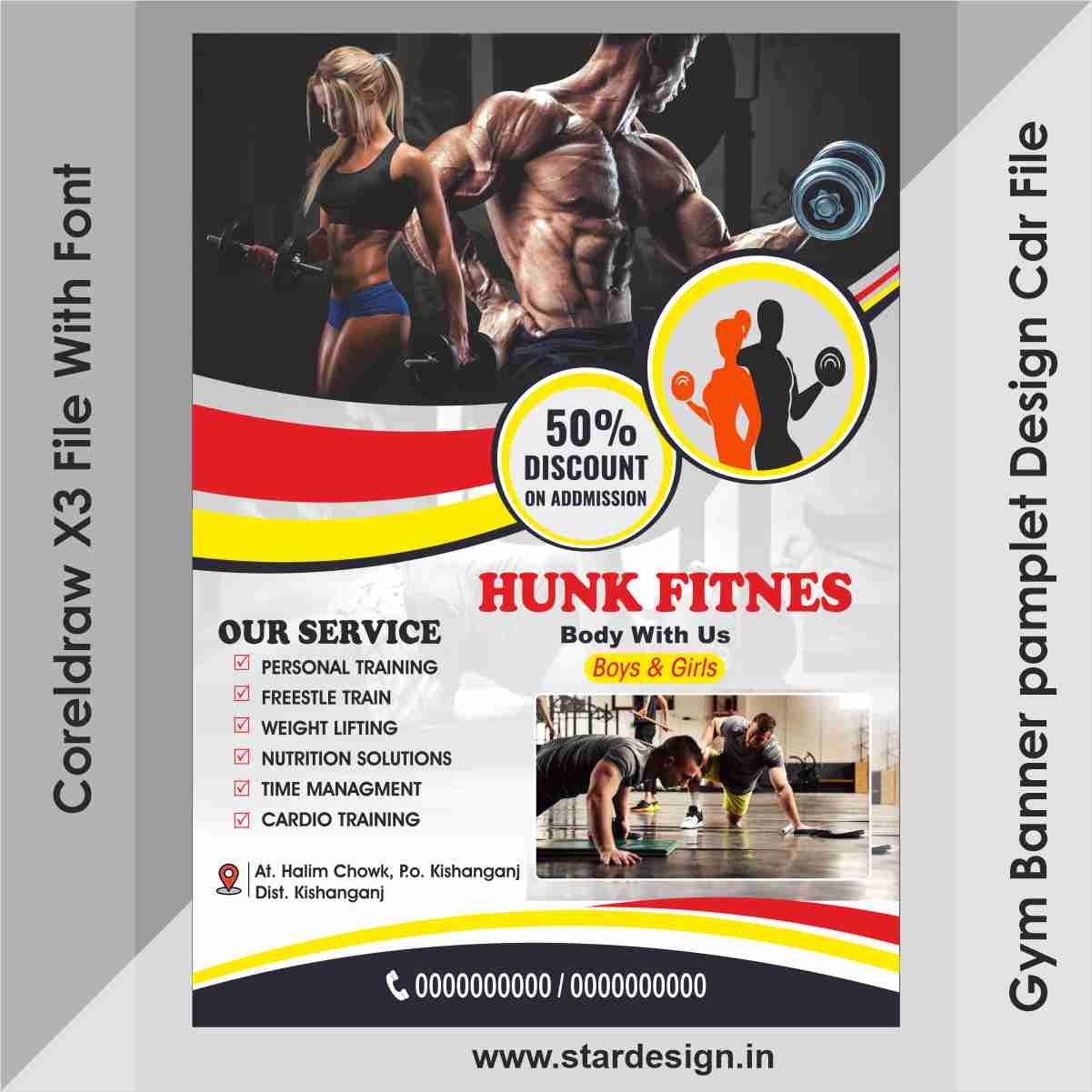
Introduction to Gym Banner Design
In the competitive landscape of the fitness industry, effective gym banner design serves as a vital tool for gym owners aiming to elevate their brand presence. A well-crafted banner can significantly enhance visibility, not only attracting potential new members but also reinforcing the engagement of current clients. As gyms strive for growth, it becomes essential to utilize creative and strategic messaging to communicate their unique services and values clearly.
Gym banners function as visual statements, conveying information succinctly while appealing to the target audience’s interests. These banners can be positioned at strategic locations, such as entryways, reception areas, or outdoor signage, ensuring that they are highly visible. By utilizing eye-catching designs and compelling calls to action, a gym can instill a sense of urgency and motivation that encourages people to participate in fitness programs.
Moreover, the design of a gym banner should reflect the overall branding of the facility. This encompasses not only color schemes and logos but also the essence of the gym’s philosophy. For example, a crossfit gym might opt for bold, dynamic graphics that embody toughness and determination, whereas a yoga studio might choose a softer, calming aesthetic to convey tranquility. Therefore, understanding the target demographic plays a crucial role in the effectiveness of banner design.
Additionally, a successful banner includes strategic messaging that highlights key fitness services, promotional offers, or upcoming events. By leveraging the right keywords and phrases relevant to fitness enthusiasts, banners can serve as powerful tools for search optimization, increasing online visibility in a digital-first age. Ultimately, investing time and resources into thoughtful gym banner design not only builds brand identity but also fosters a welcoming environment that attracts individuals seeking to enhance their physical well-being.
Understanding Your Audience
To create an effective gym banner, it is crucial to have a deep understanding of your target audience. This understanding starts with evaluating the demographics of potential gym-goers. Analyze key factors such as age, gender, socioeconomic status, and fitness levels. For instance, if your gym is primarily frequented by young adults, your banner design should reflect modern aesthetics that appeal to this demographic. Alternatively, if you cater to older adults, incorporating elements that suggest comfort and accessibility can enhance your appeal.
Next, it is imperative to delve into the fitness interests of your audience. Different groups have distinct preferences when it comes to exercise. Some may be drawn to strength training, while others might prefer group classes such as yoga or Zumba. By identifying these interests, you can tailor your gym banner to showcase relevant activities and programs that will captivate and attract potential members. For example, using images that feature people engaging in popular fitness trends will create a connection with viewers and encourage them to explore your offerings.
Another essential component in understanding your audience is comprehending their motivational factors. Individuals are inspired to join a gym for various reasons, ranging from weight loss to overall wellness or even community engagement. By recognizing these motivational drivers, you can craft compelling messages on your banner that speak to these aspirations. Including motivational quotes or showcasing success stories can resonate with potential members and evoke a sense of belonging and purpose.
In summary, possessing a comprehensive knowledge of your audience—encompassing demographics, fitness interests, and motivational factors—enables you to design a gym banner that effectively communicates your brand’s message and appeals directly to the needs and desires of your target population. This tailored approach not only enhances aesthetic appeal but also fosters a sense of connection and engagement among current and prospective members.
Key Elements of Effective Gym Banners
Designing effective gym banners requires a careful consideration of several key elements that work in harmony to communicate the gym’s brand identity and information. These elements include visuals, typography, color schemes, and layout, each of which plays a significant role in capturing the attention of potential clients and conveying essential messages.
Firstly, visuals are a fundamental aspect of any gym banner. Eye-catching images of workouts, fitness equipment, or enthusiastic members engaging in activities can create an immediate connection with viewers. Selecting high-quality images that reflect the gym’s atmosphere and services fosters a sense of community and motivation. Furthermore, incorporating branding elements such as a logo or specific imagery unique to the gym can help reinforce recognition.
Secondly, typography should not be underestimated. The font choice must align with the gym’s brand personality while remaining readable from a distance. Bold and clear text can help convey important information, such as promotional offers or class schedules. It is essential to select a hierarchy of text sizes to guide viewers through the information effectively, ensuring that the most crucial messages stand out prominently.
Color schemes are also integral to effective gym banner design. Different colors evoke different emotions and can significantly impact viewer perceptions. For instance, vibrant hues like red and orange can induce energy and excitement, while cooler tones like blue promote calmness and trust. Selecting a harmonious color palette that aligns with the gym’s branding further enhances visual impact.
Lastly, layout plays a crucial role in organizing elements on the banner. A clean, uncluttered design allows viewers to absorb information quickly. Adequate spacing between images and text, along with a logical flow, ensures that the banner captures attention and conveys its message effectively. By focusing on these key elements, gym banners can achieve their purpose of attracting new members and reinforcing brand identity.
Choosing the Right Message and Call-to-Action
When designing a gym banner, selecting an impactful message and a strong call-to-action (CTA) is paramount in compelling potential clients to engage with your offerings. The message should succinctly convey the unique benefits your gym provides, whether that be specialized training programs, state-of-the-art equipment, or inviting community events. A well-crafted message resonates with the target audience and highlights what differentiates your gym from competitors.
To create an effective message, start by identifying the core services or promotions you want to emphasize. Focus on the needs and desires of your potential clientele. For instance, if your gym is offering a limited-time discount on memberships, your banner should clearly state the offer, making it a focal point. Utilize engaging language that motivates viewers to envision themselves achieving their fitness goals within your gym. Phrases like “Transform Your Fitness Journey” or “Join the Movement Today!” can evoke excitement and urgency.
Equally important is the call-to-action, which instructs viewers on what to do next. A strong CTA is direct and action-oriented. It can take various forms, such as “Sign Up Now,” “Claim Your Free Trial,” or “Visit Us for an Exclusive Offer.” The CTA should stand out visually on the banner, perhaps through contrasting colors or bold fonts, ensuring that it captures attention. Placing the CTA strategically—such as at the bottom of the banner—can enhance visibility as it follows the natural reading flow.
By integrating a compelling message with an effective CTA, your gym banner can significantly enhance viewer engagement. This combination not only informs potential clients about your offerings but also compels them to take the next step toward joining your gym and starting their fitness journey.
Design Tips and Best Practices
When crafting an effective gym banner, several design principles must be adhered to in order to create an eye-catching and impactful display. The first consideration is the size and placement of the banner. A gym banner should be large enough to capture attention from a distance, typically ranging from 3 to 6 feet in length depending on its location. Placing the banner at eye level maximizes visibility, particularly when it is positioned near high-traffic areas in the gym, such as entrance points or next to popular workout zones.
Another vital aspect of gym banner design is avoiding clutter. A crowded banner can confuse viewers, diminishing the intended message. It is advisable to limit the amount of text, using concise language that conveys the primary message effectively. Focus on your gym’s unique selling points, such as membership specials or innovative programs, while providing crucial information in a clean format that is easy to digest. The use of hierarchy in design significantly enhances readability; larger fonts should be utilized for headlines or essential messages, while supplementary information can be rendered in smaller text. This hierarchy helps guide the viewer’s eye in a natural progression through the content.
Moreover, color scheme and contrast play an essential role. High-contrast colors not only catch the eye but also ensure that the banner’s text remains legible from afar. Utilizing complementary colors that reflect your gym’s brand identity can foster brand recognition, while also creating an aesthetically pleasing composition. Images or graphics, if included, should be relevant and not detract from the primary message. Ensuring that your banner is simple yet striking will help engage potential members and effectively promote your gym’s offerings, leading to enhanced visibility and increased interest.
Choosing the Right Material and Printing Techniques
When it comes to designing banners for gyms, selecting the appropriate material and printing technique is crucial for ensuring longevity and visual appeal. Several materials are commonly used for gym banners, each with distinct advantages and disadvantages.
One popular option is vinyl, recognized for its durability and weather resistance. Vinyl banners can withstand harsh environmental conditions, making them ideal for both indoor and outdoor use. They are also easy to clean and maintain, which is a significant benefit for gym owners who might need to keep banners looking pristine. On the downside, vinyl can be more expensive than other materials, which may be a concern for gyms operating on a tight budget.
Fabric banners are another choice, presenting a more upscale and professional look. They are lightweight and portable, making them easy to hang and travel with. Fabric materials also allow for vibrant color reproduction, enhancing the overall aesthetic of the gym’s branding. However, fabric banners may be less durable than vinyl, particularly in outdoor settings. The potential for fading under sunlight and the risk of tearing in the wind are notable disadvantages.
Printing techniques further affect the quality and presentation of gym banners. Digital printing is the most common method, offering excellent image quality and the ability to produce customized designs quickly. This technique allows gym owners to represent their brand in a unique way, incorporating logos, colors, and images that resonate with their target audience. On the other hand, screen printing can be more economical for larger quantities, although it might not capture intricate details as well as digital printing.
In conclusion, when selecting materials and printing techniques for gym banners, it is essential for gym owners to consider factors such as durability, weather resistance, visual appeal, and budget constraints. By carefully evaluating these aspects, they can ensure their banners effectively represent the gym while withstanding the test of time.
Case Studies: Successful Gym Banners in Action
Throughout the fitness industry, numerous gyms have effectively utilized banners to enhance their marketing efforts and reach a broader audience. An exemplary case is the local gym “FitLife,” which effectively incorporated bright colors and bold typography in their banner designs. The choice of vibrant hues such as neon green and electric blue was not just eye-catching but also evoked feelings of energy and enthusiasm. The messaging on their banner included motivational phrases like “Unlock Your Potential” alongside images of diverse individuals engaging in various workouts. This combination of visual and textual elements resonated well with their target audience, thereby increasing foot traffic significantly during their promotional campaigns.
Another notable example can be seen with “PowerZone Fitness,” which opted for a minimalist design approach. Their banners featured a sleek, monochrome palette accented with striking imagery of personal trainers in action. The use of concise phrases, such as “Train with the Best,” clearly conveyed the gym’s core offerings without overwhelming the viewer. The strategic positioning of their banners at local events garnered attention from passersby, resulting in a substantial increase in membership inquiries. The success of PowerZone’s banners illustrates how simplicity can often yield impactful results, as it effectively communicated their brand identity while inviting new clients.
Finally, “Healthy Haven Gym” stands out with their community-centric banner campaigns. They utilized photographs highlighting local fitness classes and events, bringing a sense of camaraderie and connection to the community. Their banner messaging promoted inclusivity with statements like “Everyone’s Welcome Here!” and offered class schedules for newcomers. This thoughtful approach not only showcased their availability of diverse fitness options but also reinforced their position as a cornerstone in the community. By integrating diverse design choices with cohesive messaging, Healthy Haven effectively attracted a loyal customer base, illustrating the potential of effective gym banner design.
The Role of Digital Banners in Modern Gym Marketing
In today’s dynamic digital landscape, the relevance of digital banners in gym marketing strategies cannot be overstated. With an increasing reliance on online platforms, gyms can effectively leverage digital banners to reach potential and existing members while enhancing their brand presence. Digital banners serve as a versatile tool that complements traditional marketing methods, providing opportunities for engagement through social media, websites, and digital signage.
One of the key advantages of digital banners is their ability to be easily updated and disseminated across various online platforms. Gyms can create eye-catching designs that highlight special promotions, upcoming classes, or member success stories, which can be shared on social media channels. This not only fosters a sense of community among members but also attracts new clientele who may discover the gym through engaging online content. The integration of digital banners into social media marketing campaigns ensures that gym promotions can be tailored to specific demographics, enhancing overall engagement.
Furthermore, the use of digital signage within the gym premises allows for real-time communication with members. By displaying dynamic content such as class schedules, workout tips, or motivational messages, gyms can create an interactive environment that promotes member retention. This immediate access to information via digital banners reinforces the gym’s commitment to providing a modern and informative experience, further solidifying customer loyalty.
Additionally, gyms can utilize their own websites to showcase digital banners prominently, offering visitors a quick glimpse into the available services and memberships. A cohesive approach that employs both physical and digital banners enhances brand recognition and ensures that marketing efforts are synchronized across multiple channels. By engaging members online and offline, gyms can cultivate an inclusive and motivating atmosphere that encourages fitness and wellness.
Measuring the Effectiveness of Your Gym Banners
Measuring the effectiveness of gym banners is crucial for understanding their impact on your marketing ambitions. To accurately assess the success of your banners, one must focus on a few key metrics. Firstly, tracking foot traffic is essential in gauging how many potential customers are attracted to your facility. This can be accomplished through the use of entrance counting technologies or even manual counting on specific days when banners are displayed. An increase in foot traffic can often directly correlate to the visibility and appeal of your banners.
Another important metric to consider is the rate of membership sign-ups post-banner installation. By comparing the monthly sign-up rates before and after the deployment of your banners, gym owners can derive insights into whether their designs and messaging effectively resonate with the target audience. This can be further refined by surveying new members about what influenced their decision, thus providing additional qualitative feedback.
Social media engagement also plays a significant role in measuring effectiveness. Encouraging members and passersby to share photos of your banners on social platforms can boost visibility and create buzz around your gym. Monitoring metrics such as likes, shares, and comments can provide invaluable feedback regarding the creative quality and outreach potential of your banners. Additionally, using dedicated hashtags can help track engagement stemming directly from your banner campaigns.
Furthermore, it is advisable to conduct A/B testing with different banner designs or messages to find the most effective approach. By analyzing the differences in engagement and response rates, gym owners can optimize their marketing strategies. The combination of these metrics will provide a comprehensive view of how well your gym banners are performing, allowing for adjustments that can yield improved results in the future.