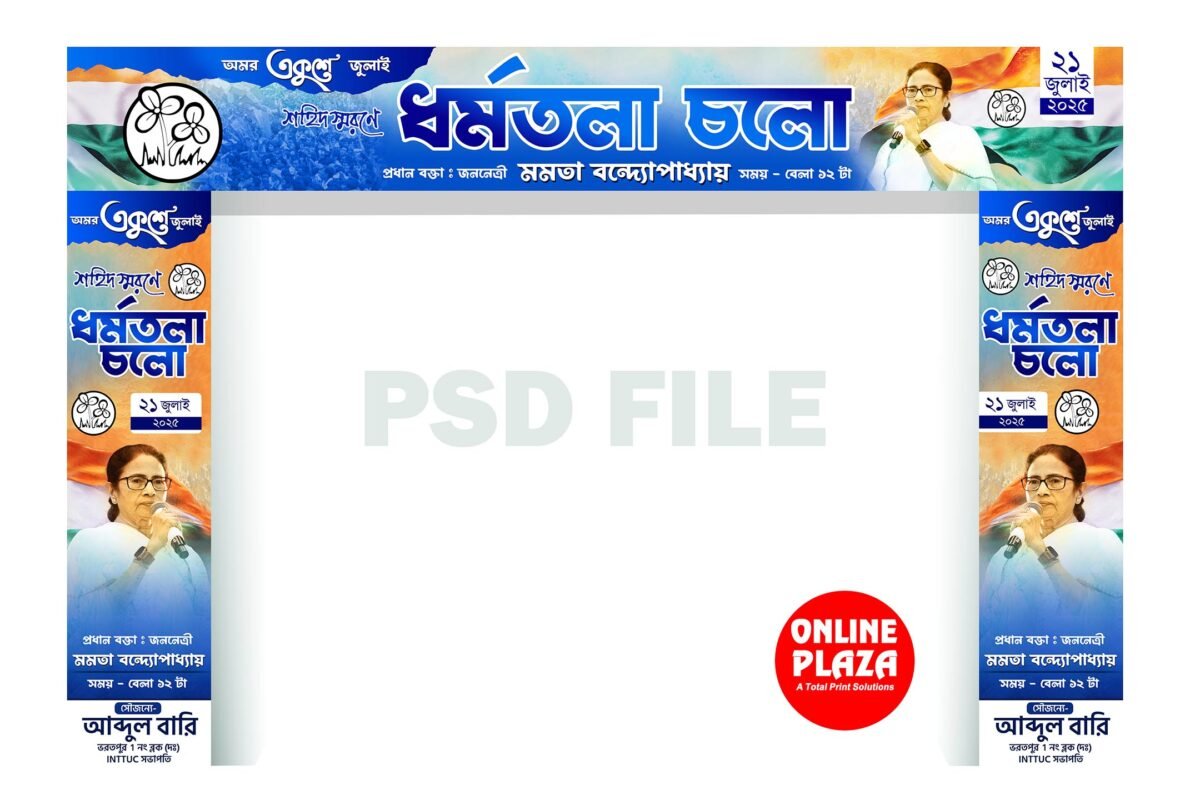
Introduction to TMC Elections 2026
The Trinamool Congress (TMC) elections scheduled for 2026 are poised to be a pivotal event in the Indian political landscape. As one of the dominant regional parties in West Bengal, TMC’s performance in this election will not only determine its strength within the state but could also have wider implications at the national level. The significance of the upcoming elections is amplified by the party’s previous successes and the current socio-political climate, which may challenge TMC to adapt its strategies effectively.
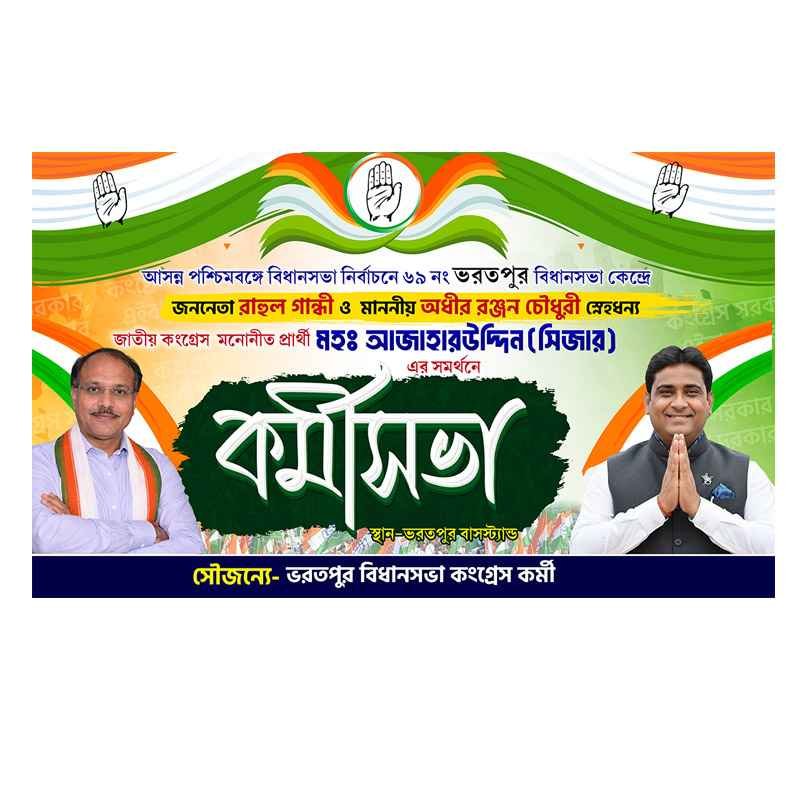
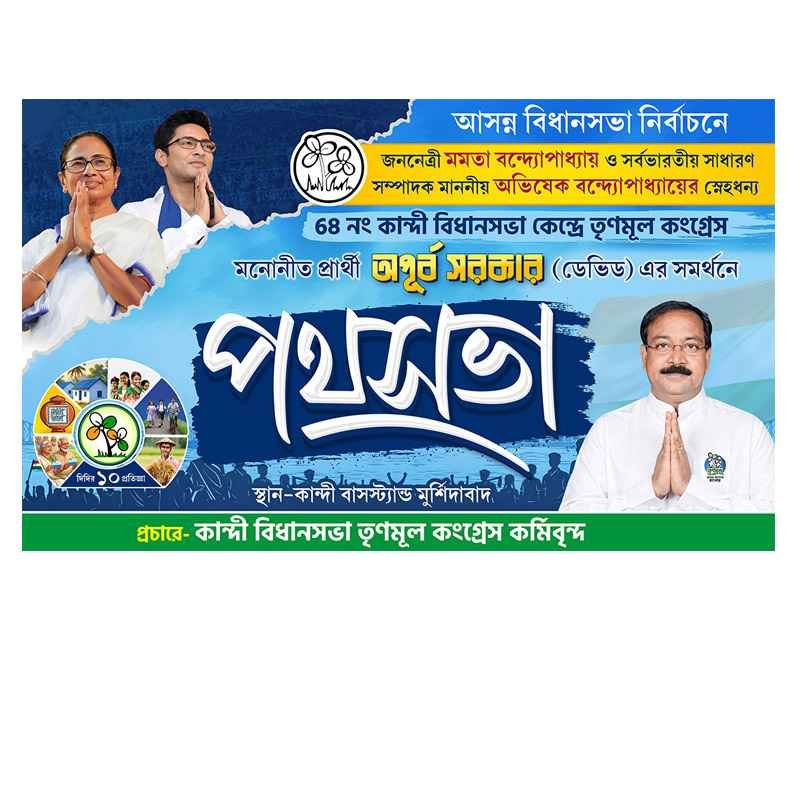
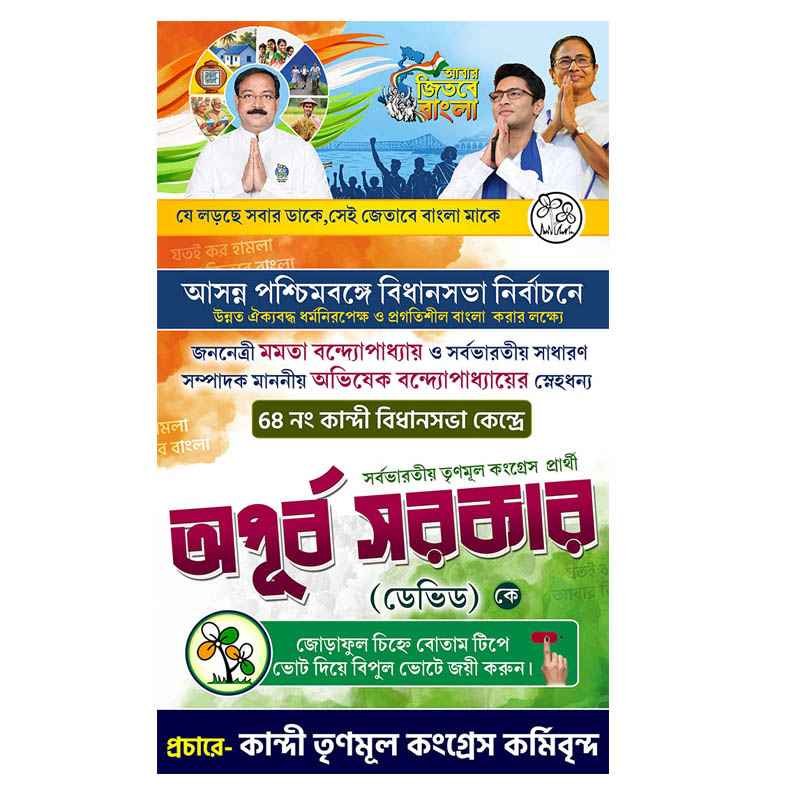
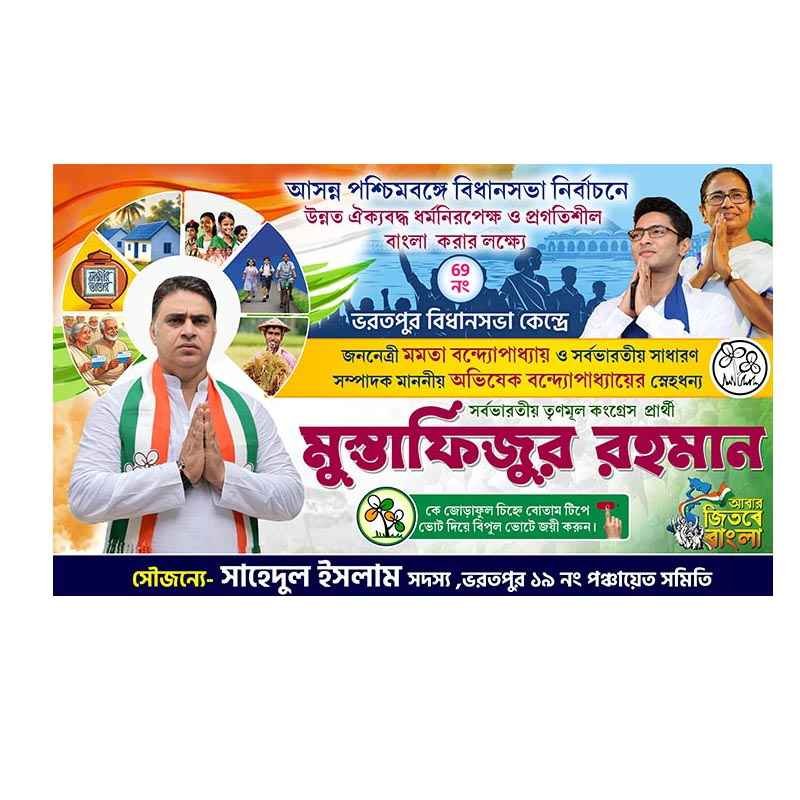
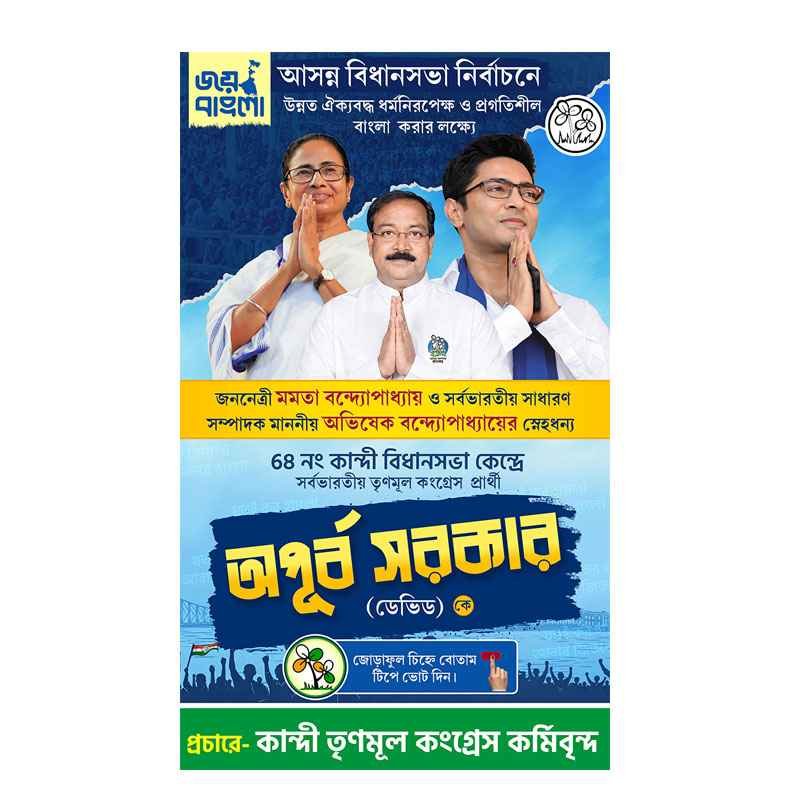
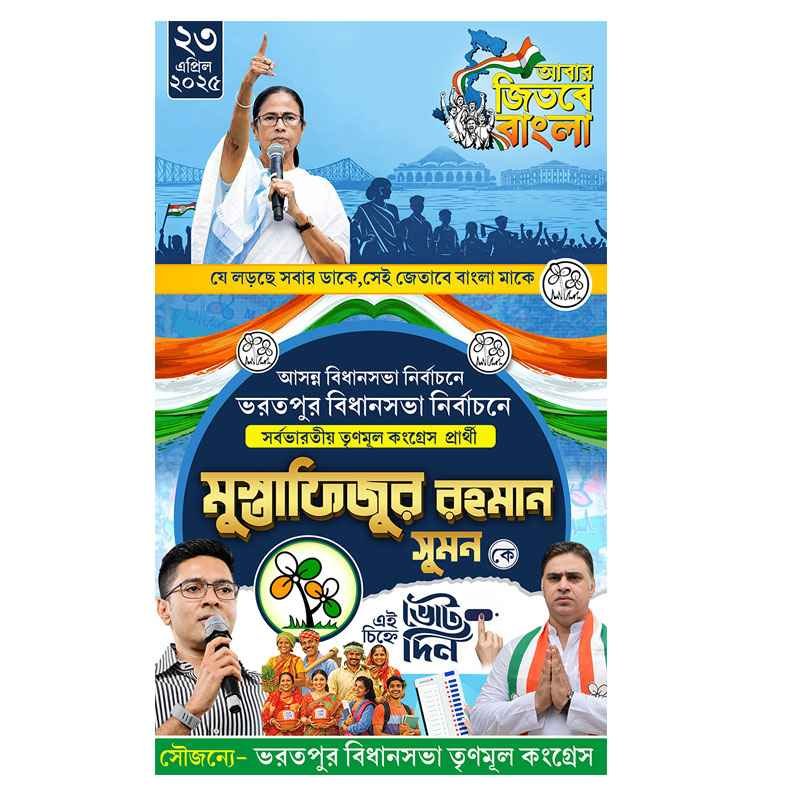
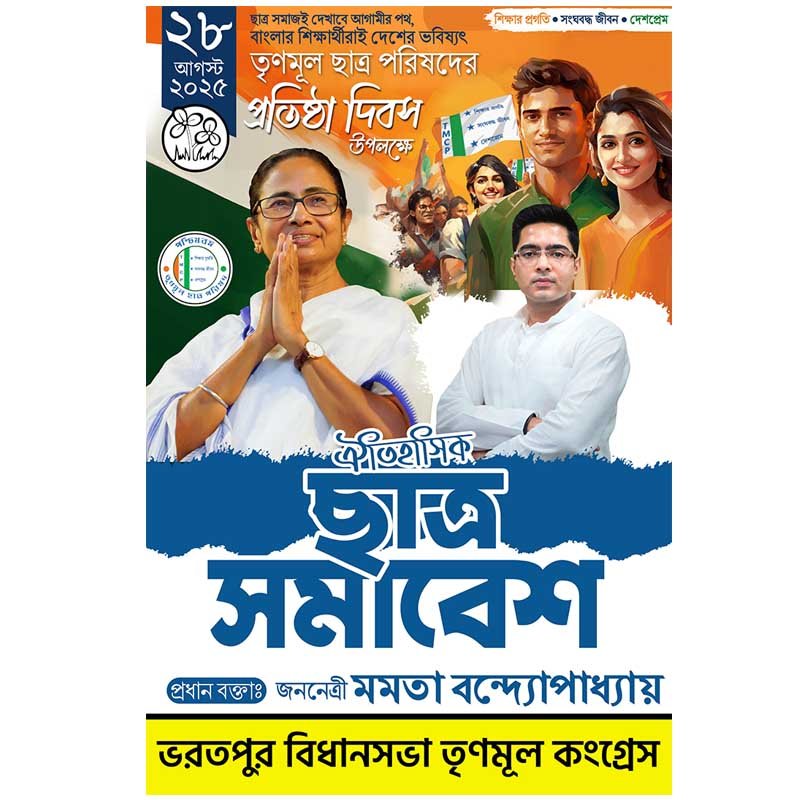
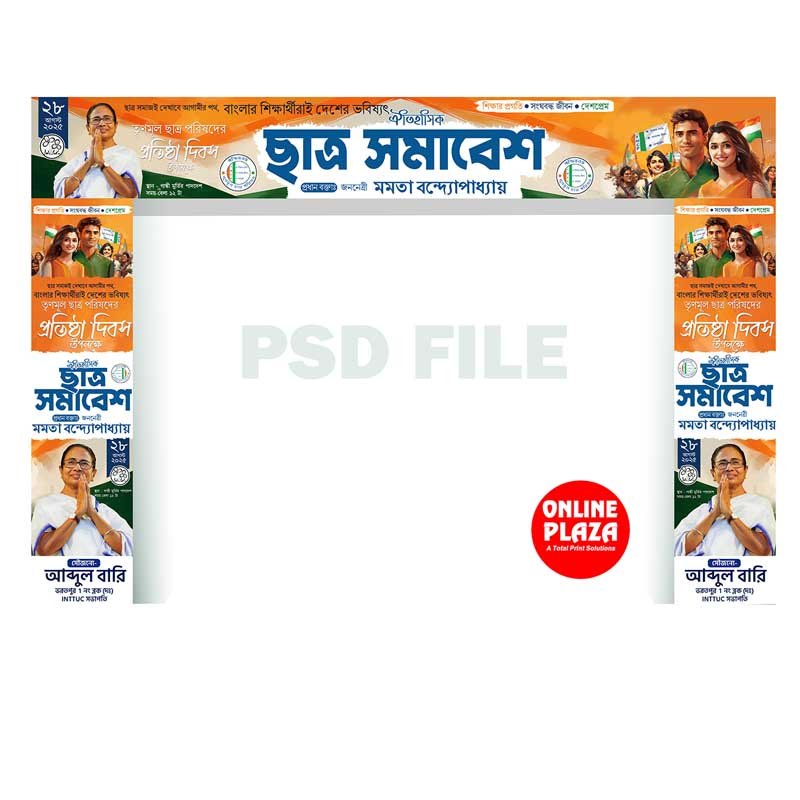
This election cycle is characterized by a shifting voter base and increasingly competitive opposition. With the Bharatiya Janata Party (BJP) and other political entities intensifying their focus on West Bengal, the TMC must navigate a landscape marked by heightened scrutiny and voter expectations. Consequently, it becomes essential for TMC to establish a strong, visually compelling brand that resonates with voters. This is where the art of vote flex Bengali banner design comes into play, becoming a crucial tool for communication and engagement.
Effective branding and design are transforming the way political messages are conveyed. In this context, banners are more than mere decorations; they serve as powerful instruments for conveying party ideologies, rallying support, and fostering community connection. The visual appeal of banners, combined with strategic messaging, can significantly influence public perception and voter turnout. For TMC, embracing innovative banner design will not only enhance its visibility but will also reflect its commitment to modern political strategies.
As we delve deeper into the specifics of vote flex Bengali banner design, it is clear that the upcoming TMC elections will require a harmonious blend of tradition and innovation, ensuring that the party remains relevant and accessible to the electorate.
The Importance of Creative Banner Design in Elections
In the realm of electoral politics, especially during the upcoming TMC Election 2026, the role of creative banner design cannot be overstated. It serves as a powerful tool for visual communication, effectively conveying messages, ideals, and urgent calls to action. Creative banners not only catch the eye but also stimulate discussion and engagement among potential voters. This visual strategy is particularly critical when trying to resonate with a diverse electorate, ensuring that complex political messages are distilled into easy-to-understand visuals.
The effectiveness of banner design lies in its ability to evoke emotions and prompt cognitive responses from the viewers. Colors, fonts, imagery, and slogans used wisely can enhance the brand identity of a political party while making its values and objectives relatable. For instance, during previous elections, TMC has employed bright, engaging colors and striking images of community figures which successfully attracted attention and fostered a sense of solidarity among party supporters.
Furthermore, strategic placement of creatively designed banners can also increase visibility in critical areas where voters gather. This includes public transport hubs, market places, and crowded urban locales. The interaction of a prospective voter with a well-designed banner can significantly influence their perception of a candidate or a party, thereby affecting their voting decision. Past instances exhibit that election campaigns employing innovative and well-thought-out banner strategies have seen an uptick in voter turnout and engagement.
Ultimately, the art of banner design encompasses much more than aesthetic appeal; it is about crafting a narrative that resonates with the electorate. As the TMC prepares for the 2026 elections, it becomes increasingly essential to prioritize creative banner design as a central aspect of their electoral strategy.
Understanding the Cultural Significance of Bengali Art
Bengali art is deeply rooted in the cultural and historical ethos of the Bengal region, reflecting the lives, struggles, and aspirations of its people. The significance of this art lies in its ability to convey complex narratives, often steeped in folklore, literature, and everyday experiences. Traditional themes in Bengali art often include rural landscapes, social gatherings, and celebrations that highlight the vibrancy of Bengal’s culture. These themes resonate profoundly with the populace, making artistic expressions a powerful medium for communication.
Bright, vivid colors are a hallmark of Bengali art. The use of reds, yellows, greens, and blues not only captures the eye but also holds symbolic meanings within the community. For instance, the color red often represents love and passion, while yellow can signify joy and celebration. Such color choices are essential when designing banners, as they evoke emotional responses that can inspire voter engagement during events like the TMC elections in 2026. Incorporating these familiar color palettes into banner designs ensures that they resonate with voters and embody the spirit of Bengali culture.
Moreover, Bengali artistic motifs—such as paisley patterns, floral designs, and tribal influences—serve as visual identifiers that link people to their heritage. These motifs can be seamlessly integrated into banners to enhance their aesthetic appeal while fostering a sense of familiarity and pride among viewers. The cultural significance of Bengali art, therefore, is not merely limited to its beauty; it acts as a narrative tool that can influence voter perceptions and mobilize community involvement. For the TMC elections, leveraging these historical and cultural elements in banner design will ensure that the message reaches its audience with clarity and emotional resonance.
Essential Elements of Effective Banner Design
Political banners hold significant importance in campaign efforts, especially during the TMC Election 2026. To achieve an impactful presentation, the careful selection of essential elements in the banner design is crucial. Typography plays a prominent role, as it encompasses the font style, size, and arrangement of text. The choice of font not only ensures readability from a distance but also communicates the personality of the campaign. A consistent typographic style contributes to brand recognition, making it easier for audiences to associate the banner with the party’s ideals.
Moreover, the color scheme is a vital component that can evoke specific emotions and responses from viewers. Colors such as blue and green can convey trust and loyalty, while bright colors like red and yellow may draw immediate attention. The strategic use of color not only enhances aesthetic appeal but also reinforces the campaign’s message. Ensuring that the color palette aligns with the party’s branding will help create a cohesive visual identity.
Imagery, including logos and photographs, further elevates the effectiveness of a political banner. Visuals should resonate with the key themes of the campaign and evoke a connection with the electorate. Selecting high-quality, meaningful images can significantly enhance the message being conveyed. Additionally, photographs of candidates engaging with community members can foster a sense of relatability.
Lastly, clear and concise messaging is essential for an effective banner design. The message should be easily digestible and free of complex jargon. Crafting a powerful slogan or key phrase that encapsulates the campaign’s core values ensures that viewers can quickly grasp the essence of the message. Together, these elements—typography, color scheme, imagery, and messaging—work in harmony to create a political banner that effectively communicates the desired political message to the audience.
Incorporating TMC’s Brand Identity into Banner Design
Creating an effective banner design for the TMC (Trinamool Congress) in the upcoming 2026 elections necessitates a comprehensive understanding of the party’s brand identity. The party’s values, colors, and symbols play a crucial role in shaping public perception and can be strategically utilized in banner designs to evoke emotional responses and bolster recognition. This effective incorporation not only conveys essential messages but also instills a sense of unity among supporters.
The first step in integrating TMC’s brand identity is analyzing its core values. As a proponent of social justice, equality, and development, the banner design should reflect these principles. Messaging that highlights the party’s commitment to the welfare of marginalized communities can resonate deeply with the electorate. Incorporating slogans and key phrases that reflect TMC’s mission can create a persuasive visual narrative.
Next, the color palette associated with TMC is significant, as it not only enhances aesthetic appeal but also reinforces brand recognition. TMC’s signature colors, predominantly green and white, symbolize growth and peace. Using these colors effectively throughout the banner will create a cohesive look that immediately communicates the party’s identity. This could involve creating backgrounds or borders that employ these colors prominently. Moreover, the placement of the party’s logo should be strategic; it should be positioned so that it captures attention and reinforces brand affiliation.
In terms of visuals, utilizing symbols that resonate with the party’s objectives will enhance the overall impact of the banner. Features such as images of community development, agriculture, or unity can serve to connect emotionally with voters. By merging these visual elements with a clear call-to-action, the banner can effectively mobilize supporters and communicate the essence of TMC.
Strategies for Engaging Voters through Banner Design
Engaging voters through banner design involves a blend of creativity and strategic planning, aimed at effectively communicating messages that resonate with specific demographics. One of the primary strategies is the identification of target audiences. Understanding the demographics of the electorate, such as age, socioeconomic status, and cultural background, allows designers to craft banners that specifically speak to the interests and values of those groups. For instance, using vibrant colors and modern fonts might attract younger voters, while more traditional designs may appeal to older demographics.
In addition to targeting demographic groups, the use of psychological triggers in banner design can amplify voter engagement. Elements such as emotional storytelling, relatable imagery, and compelling calls to action can create a stronger connection with potential voters. For example, showcasing local families or community achievements can evoke a sense of pride and belonging, motivating individuals to participate in the electoral process.
Moreover, incorporating clear and concise messaging is crucial. Voters often encounter a plethora of information, and banners that efficiently communicate key points ensure that the viewer can quickly grasp the candidate’s platform or the significance of the election. Utilizing bullet points or catchy taglines can help encapsulate core messages effectively. Visual hierarchy is also paramount; presenting the most important information with bold text and larger images can guide the viewer’s attention where it is needed most.
Lastly, incorporating interactive elements or QR codes on banners that link to digital platforms can further enhance engagement. By offering voters easy access to additional resources, like campaign websites or social media pages, banners can serve as a bridge, encouraging deeper exploration of the candidates and their policies. This multifaceted approach to banner design is integral in creating meaningful voter engagement ahead of the TMC Election 2026.
Practical Tips for Designing Vote Flex Bengali Banners
Designing effective vote flex banners requires a thoughtful approach, combining aesthetics with functionality. One of the primary tools for creating such banners is graphic design software. Programs like Adobe Illustrator and CorelDRAW are highly recommended for their versatility and range of features. For those seeking budget-friendly options, platforms like Canva and Inkscape can also provide a good starting point, offering user-friendly interfaces and customizable templates.
When approaching the layout of a vote flex banner, it is essential to prioritize clarity and legibility. Start by determining the key messaging you wish to convey; this could include the candidate’s name, party affiliation, and a brief slogan. Use large, bold fonts that are easy to read from a distance. A common guideline is to ensure that text should occupy at least 30% of the banner’s total area, promoting visibility without overwhelming the viewer.
Incorporating colors strategically also plays a significant role in the design process. Utilizing a color palette that resonates with the target audience can enhance emotional connections. It’s advisable to limit the color scheme to three to four colors to maintain visual coherence. Consider the cultural connotations of colors in the Bengali context, as certain shades may evoke specific sentiments.
Another common challenge is optimizing designs for different printing sizes. Always check the resolution and dimensions of the design to ensure sharpness when printed. A resolution of at least 300 DPI (dots per inch) is recommended for print media. Before finalizing the design for production, use mock-ups to visualize how the banner will appear on location, making any necessary adjustments to dimensions and layouts.
By following these practical tips, designers can create compelling vote flex Bengali banners that communicate messages effectively and engage the audience.
Case Studies of Successful Bengali Banner Designs in Previous Elections
In analyzing the Bengali political landscape, particularly during various electoral campaigns, it becomes evident that effective banner designs play a crucial role in shaping public perception and influencing voter behavior. Several successful Bengali banner designs from previous elections can be observed, each offering valuable insights into the essentials of impactful election marketing.
One prominent example is the banner design utilized during the West Bengal Assembly elections. The combination of bold typography, engaging visuals, and strategic use of color schemes drawn from the party’s identity created a cohesive message that resonated with voters. The banners successfully communicated not just the party’s ideology but also invoked emotions tied to cultural pride, enhancing their appeal. These elements fostered engagement among constituents, urging them to connect personally with the political messages being conveyed.
Another effective case study is from the local body elections, where a grassroots approach to banner design proved to be impactful. Banners featured local leaders alongside iconic local imagery, providing a sense of familiarity and relatability. This localized strategy employed by candidates garnered attention and instilled trust within communities, emphasizing the message that the candidates understood their constituents’ unique needs and aspirations.
Furthermore, analyzing the use of digital banners in social media campaigns showcases the significance of adaptability in design. A successful campaign employed vibrant graphics alongside concise yet powerful slogans, making the banners shareable and engaging across various platforms. This adaptability to both traditional and digital mediums illustrates a modern approach in reaching a wider audience.
These case studies underscore the importance of strategic design in Bengali election banners, highlighting vital aspects such as emotional resonance, local relevance, and adaptability to different platforms. Learning from these successful examples can significantly enhance the effectiveness of future banner designs, ultimately contributing to a more impactful electoral strategy.
Conclusion and Future Outlook for TMC Banner Design
The TMC Election 2026 represents a vital opportunity for the Trinamool Congress to engage with potential voters through effective political advertising. The significance of thoughtful banner design cannot be overstated, as it serves as a visual conduit for communicating messages, values, and candidate positions to the electorate. Going forward, the design of electoral banners should not only focus on aesthetic appeal but also emphasize clarity and relevance to the audience. This holistic approach to banner design will be essential in ensuring that the TMC’s message is both memorable and impactful.
Looking to the future, it is anticipated that the trends in political advertising will continue to evolve rapidly. As digital platforms gain prevalence, there will be an increasing need for political banners to merge traditional design elements with innovative digital formats. This convergence will require the TMC to be adaptive, potentially embracing augmented reality or other interactive features to enhance voter engagement. Furthermore, personalizing banner messages for different demographics within the electorate could increase resonance and relatability.
As the TMC prepares for the 2026 elections, leveraging social media channels to promote these banner designs will be crucial. The integration of data analytics in understanding voter preferences can also guide the creative process, making banners not only attractive but strategically aligned with campaign goals. Sustainability in materials used for printed banners may also become a focal point as voters grow more conscientious about environmental impact.
In conclusion, an effective banner design for the TMC Election 2026 must blend creativity with strategic planning. By embracing future trends in political advertising while effectively communicating its core values, the TMC can harness the power of banner design to make a significant impact during the upcoming election cycle.