Introduction to Banner Design
In the competitive landscape of the hospitality industry, effective banner design plays a crucial role in attracting guests to restaurants and hotels. A well-crafted banner serves not only as a promotional tool but also as a reflection of a brand’s identity. The visual aspect of a banner is vital in grabbing the attention of potential customers who are quickly scrolling through numerous options.
Effective banner design must strike a balance between creativity and clarity. It should communicate the brand message succinctly while ensuring that the visual elements are appealing. Colors, fonts, and imagery must be thoughtfully chosen to resonate with the intended audience. For instance, warm tones may evoke a sense of comfort and relaxation, which is essential for hotels, while vibrant colors might attract diners to a lively restaurant atmosphere.
Moreover, the significance of clear communication cannot be overstated. A banner is often the first touchpoint between a brand and potential guests, making it imperative that the message is straightforward and easy to understand. Utilizing concise wording will help in conveying essential information, such as special promotions, unique offerings, or events happening at the venue. Adding a call to action, such as “Book Now” or “Visit Us Today,” can further increase engagement and drive visitors to take immediate steps toward making a reservation.
In conclusion, effective banner design is integral to the success of restaurants and hotels. By focusing on visual appeal and clear communication, businesses can create banners that not only attract attention but also effectively convey their brand message, ultimately leading to increased guest engagement and patronage.
Elements of Effective Banner Design
Designing an effective banner is essential for attracting guests to hotels and restaurants. The interplay of various elements—color schemes, typography, imagery, and layout—plays a critical role in creating an engaging visual experience that resonates with the target audience. Understanding how to thoughtfully choose and implement these aspects is paramount for achieving desired outcomes.
Color schemes are one of the first things that capture attention. It is crucial to select colors that align with the brand identity while also appealing to the emotions and preferences of potential guests. Warm colors like reds and oranges can evoke feelings of excitement and appetite, making them suitable for restaurants. In contrast, cooler shades such as blues and greens can create a serene, inviting atmosphere, ideal for hotels aiming for relaxation. Utilizing color psychology helps convey the intended message and can significantly influence guests’ first impressions.
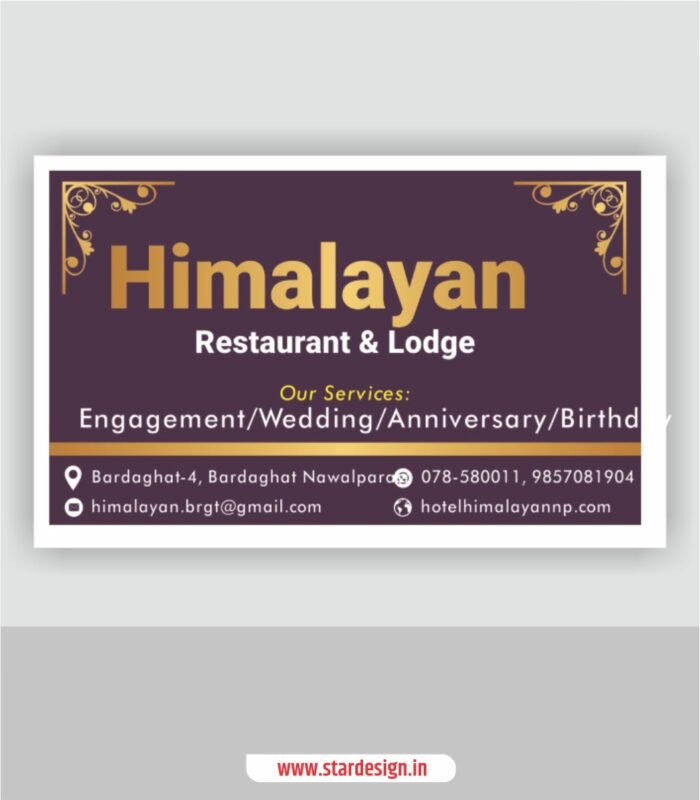
Typography is equally important in effective banner design. The choice of fonts should reflect the overall theme and ambiance of the establishment. For upscale restaurants and hotels, elegant serif fonts may be preferred, while casual dining spots might opt for more playful or modern sans-serif fonts. Legibility is a key factor; text must be easy to read even from a distance, ensuring that the message is communicated swiftly and effectively.
Imagery serves as a visual representation of the experience that guests can expect. High-quality photographs showcasing dishes or the atmosphere can create an emotional connection and entice potential customers. The layout of the banner should facilitate a clear flow of information, guiding the viewer’s eye naturally from the headline to the call to action.
By carefully considering these elements—color, typography, imagery, and layout—hotels and restaurants can create effective banners that not only draw attention but also invite guests to explore further. The successful integration of these design components can lead to increased engagement and ultimately, higher footfall.
Understanding Your Target Audience
When embarking on a banner design for restaurants and hotels, the first essential step is to gain a comprehensive understanding of your target audience. Identifying the demographic characteristics of potential guests, such as age, gender, income level, and preferences, serves as the foundation for creating effective visual communications. For instance, a restaurant that primarily caters to families will have different design elements than one that targets young professionals or couples seeking a romantic dining experience.
Understanding the varying preferences among these different groups can significantly impact the success of your banner design. For instance, families might be drawn to bright colors and images of food that appeal to children, while young professionals might prefer minimalist designs that convey sophistication. Furthermore, each audience segment will have distinct expectations regarding the theme, tone, and messaging of your banners.
Tailoring your banner messages to resonate with your audience’s interests and lifestyles is essential. For example, emphasizing value and family-friendly activities will better attract parents, while highlighting exclusive offers or trendy dining experiences will resonate with a younger demographic. Conducting market research such as surveys or analyzing guest feedback can provide valuable insights into what appeals to your target audience.
Incorporating these insights into your banner design process will not only enhance the visual appeal of your restaurant or hotel but also significantly increase the chances of attracting your desired guests. The ultimate goal is to create a visual narrative that speaks directly to the audience, resulting in a compelling invitation to dine or stay at your establishment. By understanding and addressing the specific needs and desires of your target audience, your banner design can effectively serve as a persuasive tool to increase guest engagement.
Creative Hotel Banner Design Ideas
When it comes to attracting guests to a hotel, the design of the hotel’s banner plays a pivotal role. A creative hotel banner can evoke emotions and entice potential guests by visually summarizing the unique experiences offered. Below are several innovative ideas for hotel banner designs that stand out in a crowded market.
Firstly, leveraging local culture and attractions can create a powerful connection. For instance, a beachfront hotel might showcase vibrant images of its surroundings, including coastal sunsets and local wildlife, clearly communicating the beauty of the destination. Additionally, using thematic elements related to local festivals can pique interest. A banner featuring colorful visuals of a local flower festival, combined with engaging text, can attract guests eager to immerse themselves in the local culture.
Another effective strategy is the incorporation of bold, eye-catching typography combined with a minimalistic background. This balances aesthetics and readability, ensuring that essential information about special offers or events is easily grasped. Case studies have shown that hotels utilizing simple yet striking designs often experience increased engagement. For example, a city hotel promoting a limited-time weekend stay offer may use large, vibrant fonts set against a sleek black background, immediately drawing the eye and encouraging bookings.
Furthermore, utilizing technology, such as QR codes embedded in the banner, can enhance interaction. Potential guests can scan the code to access special discounts or promotional packages directly. This innovative approach not only makes the banner interactive but also bridges the gap between physical marketing and online engagement.
In summary, an effective hotel banner design should combine local culture, bold visual elements, and innovative technology to create a compelling invitation for potential guests. By employing these strategies, hotels can significantly improve their visibility and attractiveness, ultimately leading to increased bookings and guest satisfaction.
Creative Restaurant Banner Design Ideas
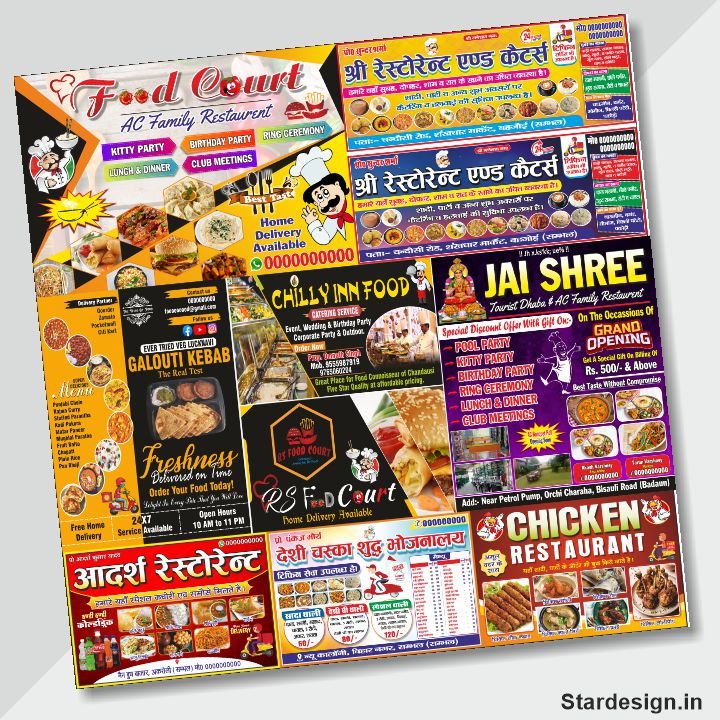
When it comes to creative restaurant banner design, the goal is to encapsulate the essence of the restaurant’s unique cuisine, ambiance, and brand identity. A well-crafted banner not only attracts potential diners but also communicates the values and themes represented within the establishment.
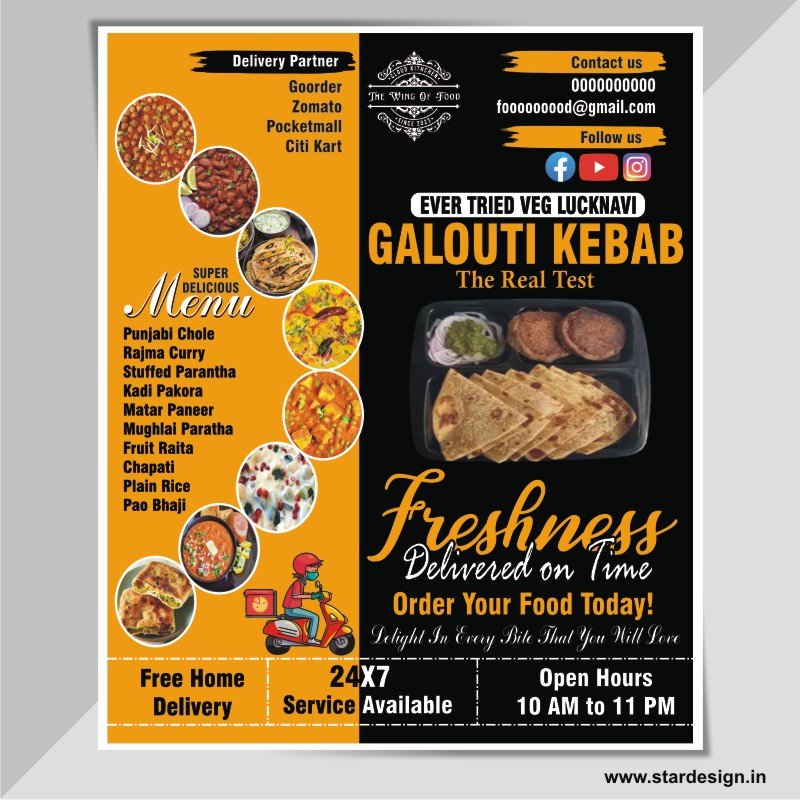
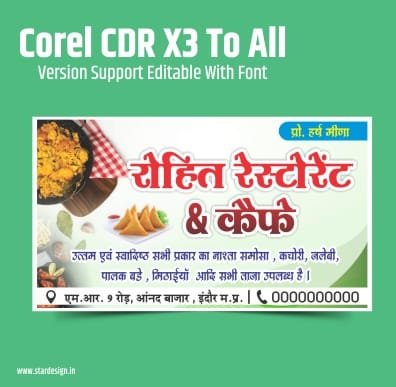
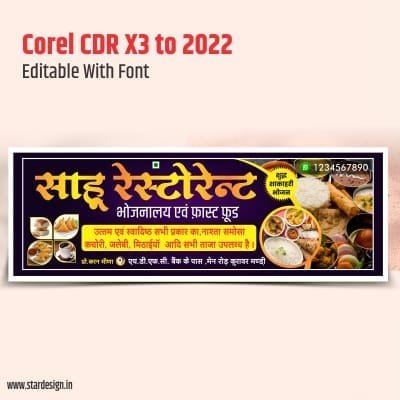
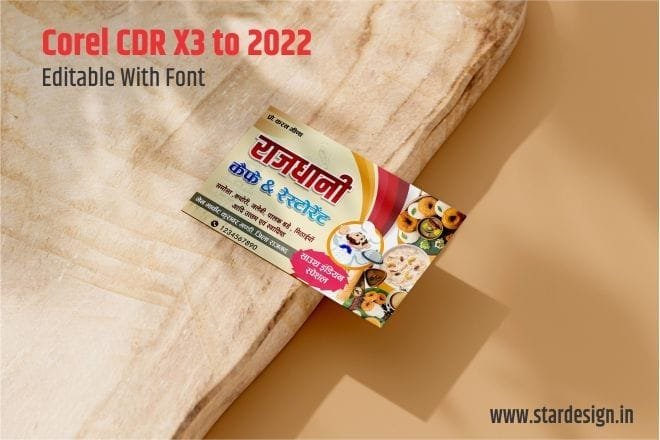
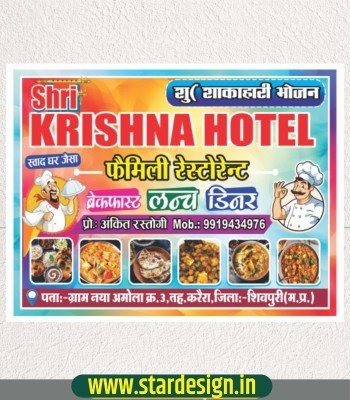
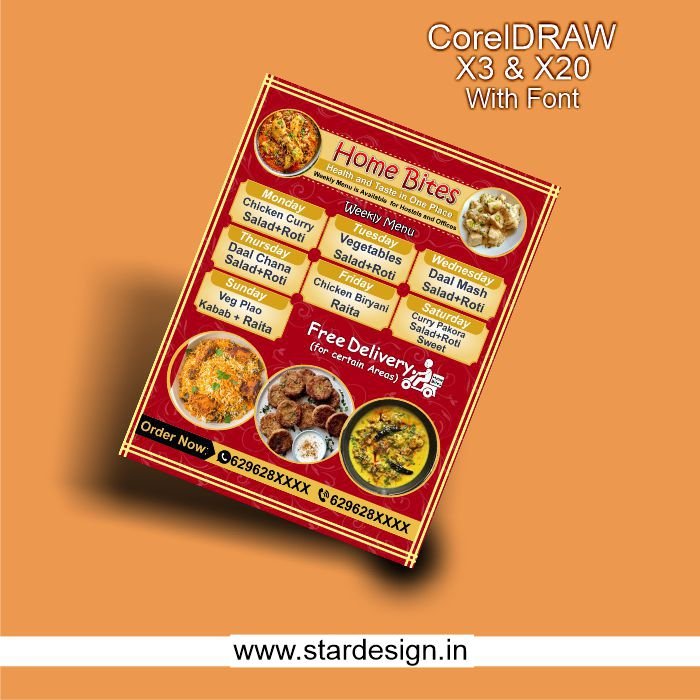
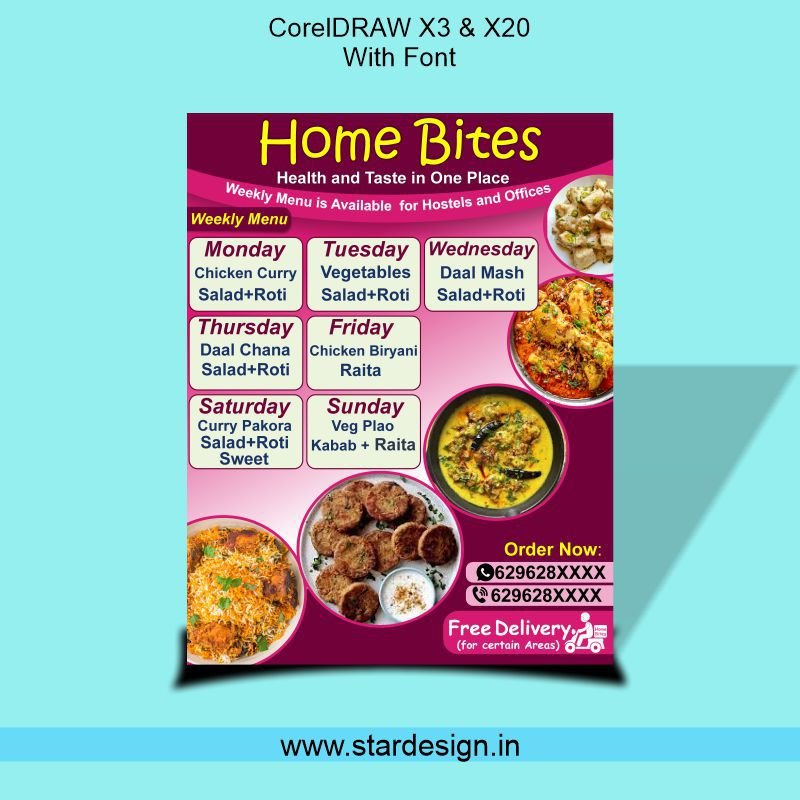
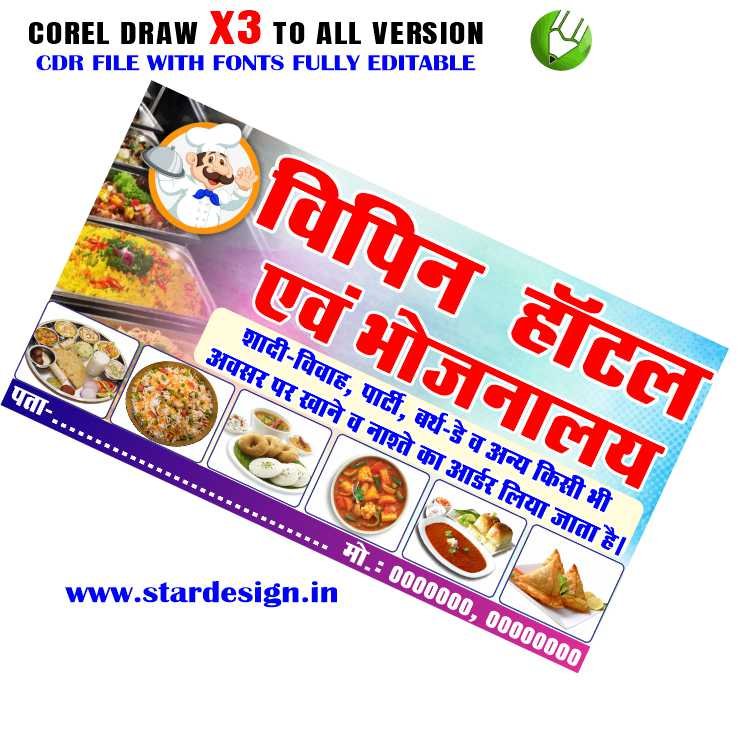
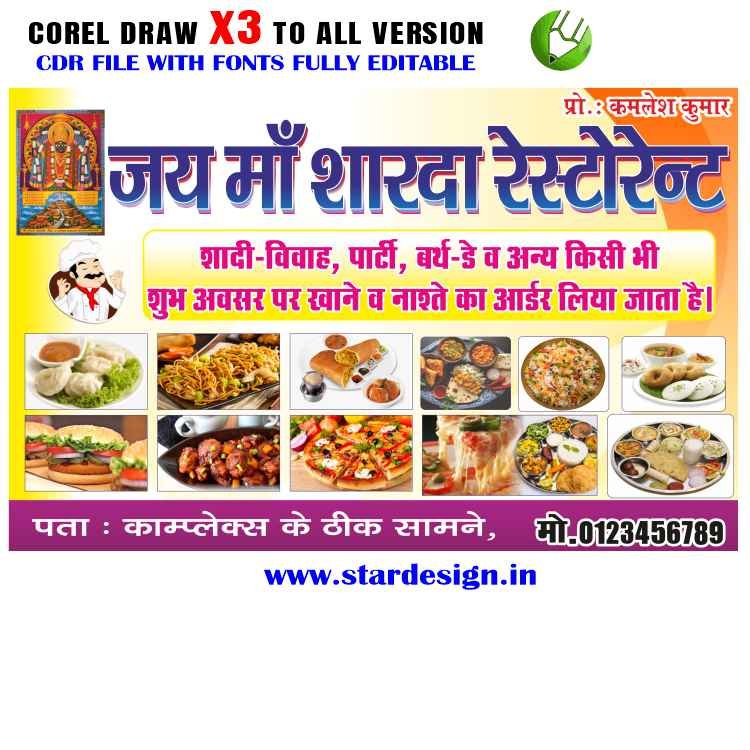
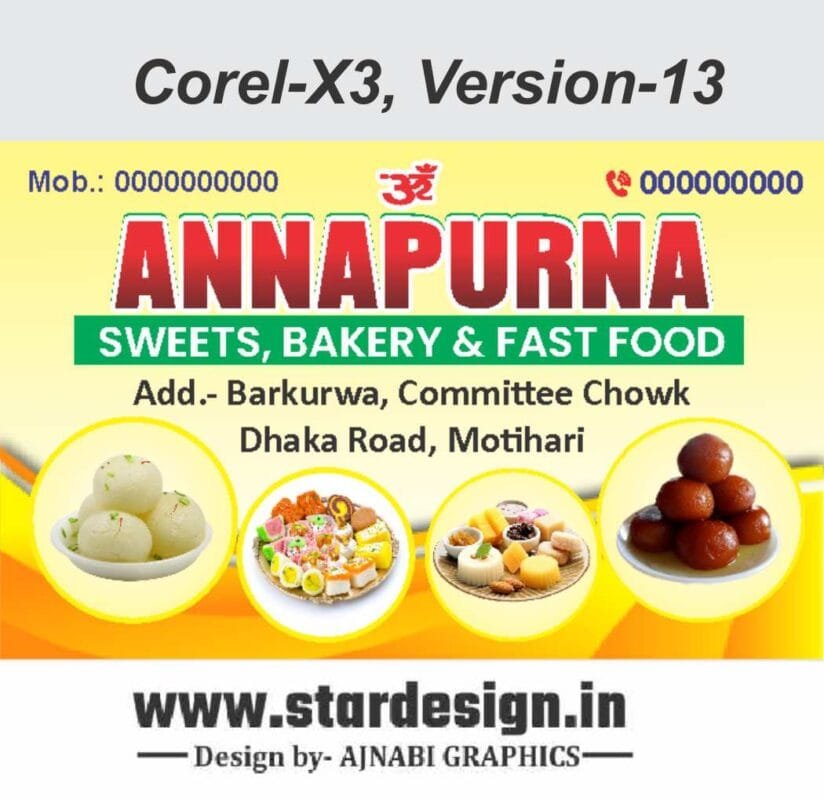
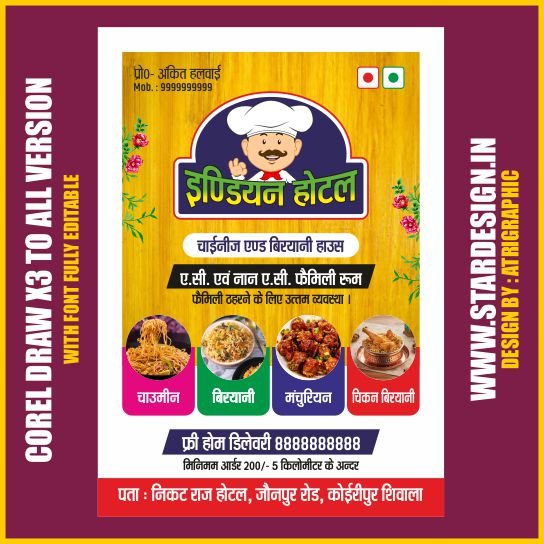
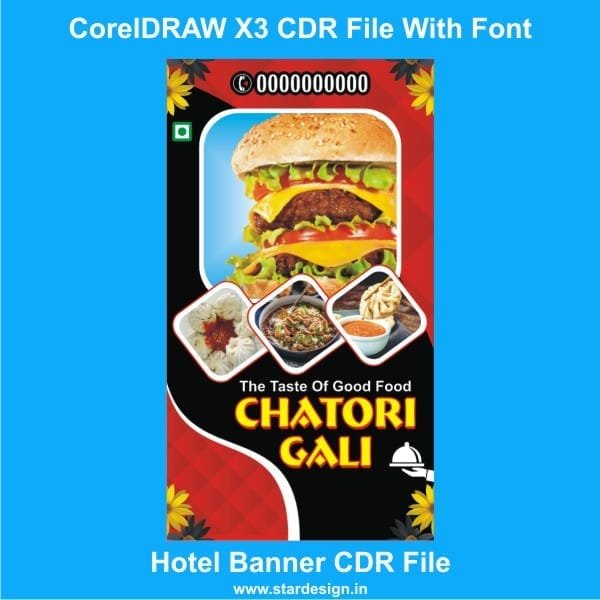
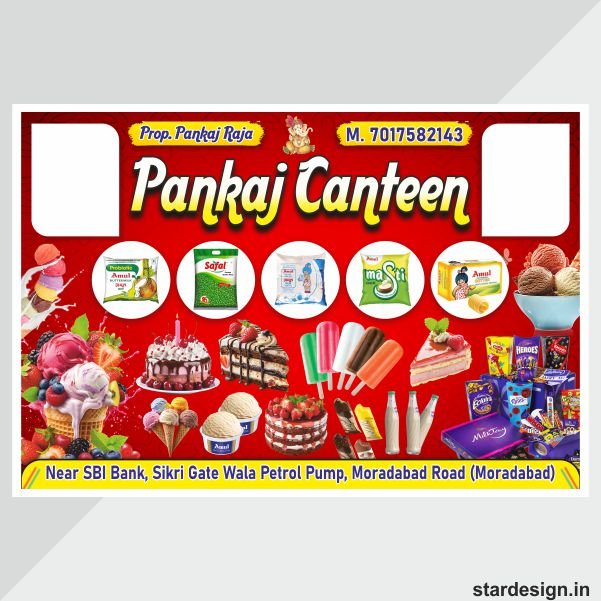
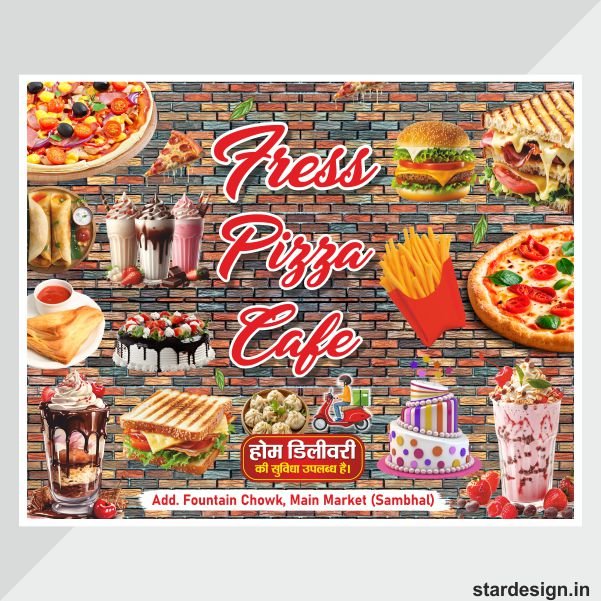
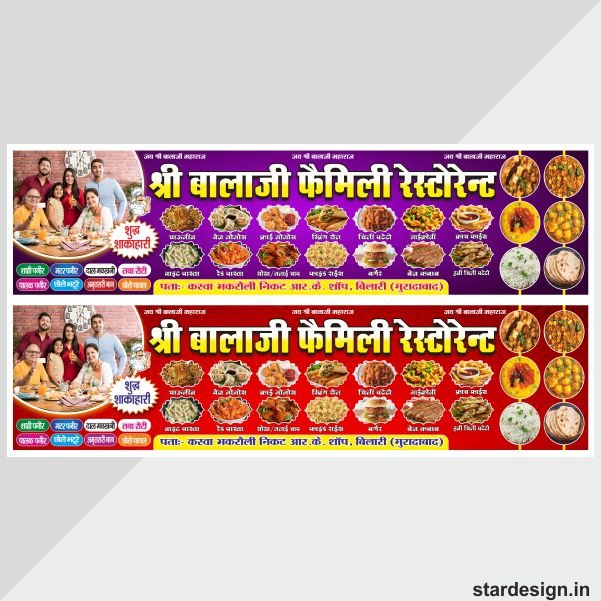
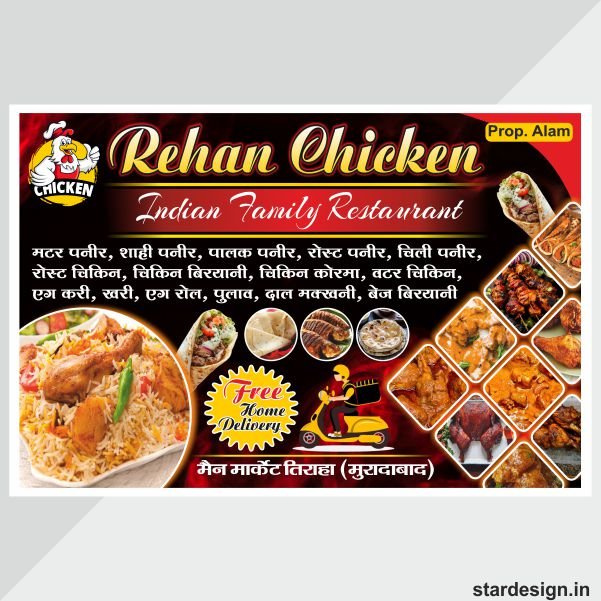
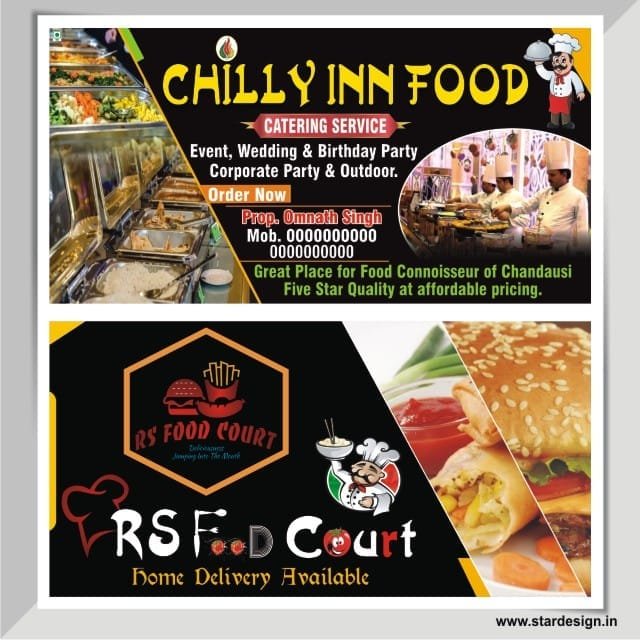
One effective theme for restaurant banners is the use of vibrant imagery that reflects the culinary offerings. For instance, a banner featuring high-resolution images of signature dishes can entice passersby. Using a professional photographer to capture the food in a compelling way, highlighting colors and textures, can elevate the overall appeal. Moreover, combining these images with a catchy slogan or the restaurant’s philosophy can create an impactful statement that resonates with the audience.
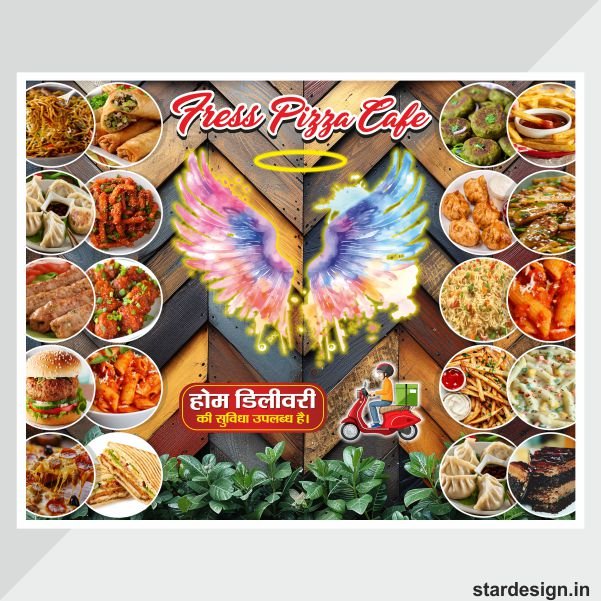
Another creative approach is leveraging the restaurant’s ambiance through design elements. For example, if a restaurant has a rustic or vintage theme, incorporating elements such as wood textures, vintage fonts, or a color palette that reflects warmth can be very effective. Additionally, using outdoor elements such as plants or outdoor furniture visuals can create an inviting atmosphere, drawing in guests who appreciate a particular dining environment.
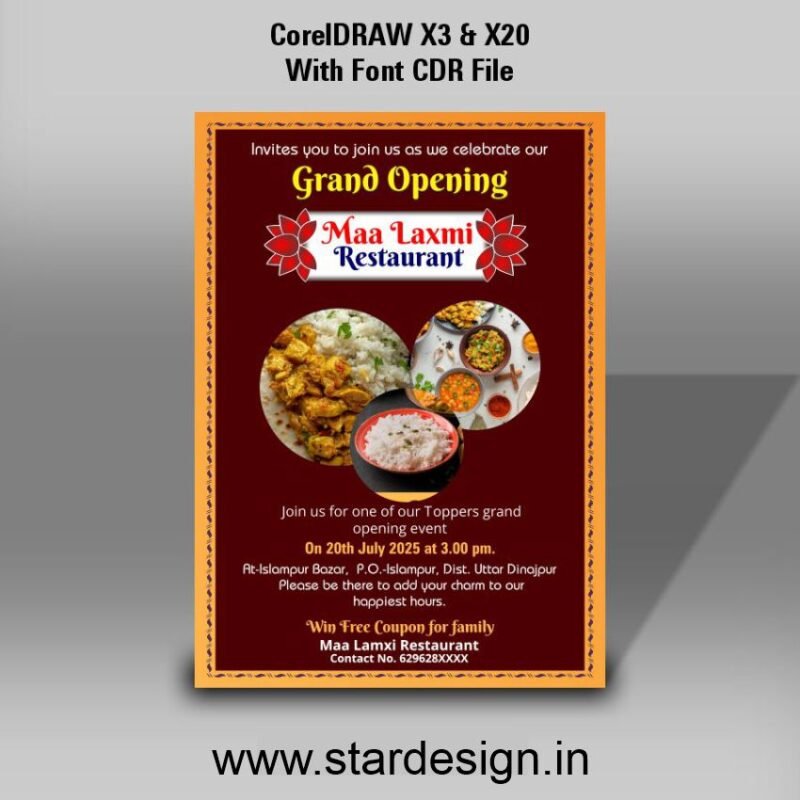
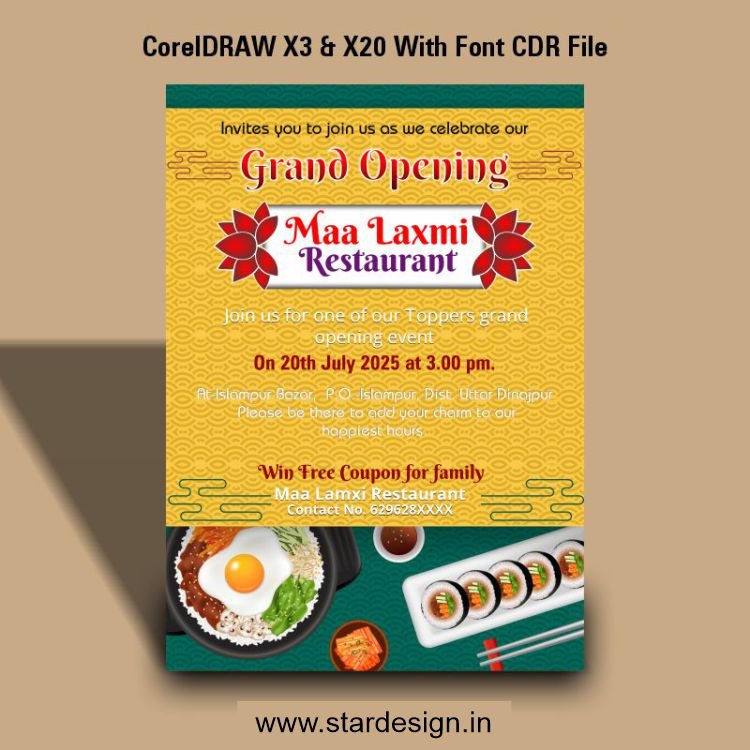
Furthermore, it is essential to consider seasonal or promotional banners. Utilizing seasonal colors and motifs can help to create an inviting and timely appeal. Promoting events such as live music nights or special tasting menus through attractive graphics will also enhance the restaurant’s visibility as an entertainment destination.
In summary, the key to successful restaurant banner design lies in creating a visual narrative that not only highlights the cuisine but also reflects the overall dining experience. By using captivating images, aligning the design with the restaurant’s theme, and promoting special events, restaurants can create banners that engage and attract their target audience effectively.
Simple Yet Effective Banner Designs
In the realm of restaurant and hotel marketing, the importance of banner designs cannot be understated. A well-crafted banner serves as an effective promotional tool, capable of drawing potential customers’ attention immediately. However, it is essential to focus on simplicity in design to ensure the message is conveyed clearly and concisely. A crowded, overly complicated banner can detract from the core message, leaving viewers confused rather than intrigued.
The primary strategy for creating simple yet effective banners involves limiting the amount of text and imagery. A clear call to action, such as “Book Now” or “Try Our Special Menu,” should be prominently featured, guiding the viewer on the next steps. The use of easily readable fonts and harmonious color schemes also plays a crucial role in maintaining clarity. By avoiding overly intricate graphics or excessive illustrations, the banner remains easy to scan, promoting better audience engagement.
Successful examples of simple banner designs include prominent hotel chains that utilize large images of their properties accompanied by concise, enticing phrases. For instance, a luxurious hotel may showcase a breathtaking view with just the words “Experience Paradise” boldly placed. This approach captures attention while effectively communicating the essence of the experience. Similarly, restaurants may utilize vibrant food photography complemented by a short, tantalizing description to entice potential diners.
By prioritizing simplicity, businesses can ensure that their message is not only seen but also remembered. The focus on essential elements, along with the integration of attractive visuals, helps create a balance that is vital for successful banner advertising in the competitive hospitality industry. Ultimately, when executed thoughtfully, simple banner designs can significantly enhance guest attraction and engagement.
Choosing the Right Format and Size for Your Banner
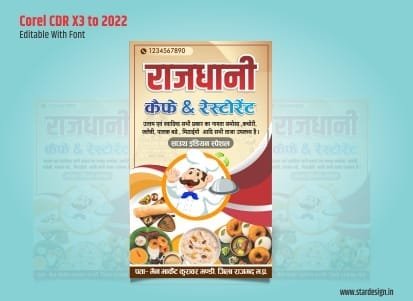
When designing banners for hotels and restaurants, selecting the appropriate format and size is crucial to effectively attract potential guests. The format can range from vertical to horizontal, and the choice should align with the location where the banner will be displayed. For instance, a vertical banner is often more suitable for stand-alone displays near entrances or lobbies, while horizontal formats can provide broader visibility across large spaces.
Consider the dimensions of the area where the banner will be placed. A banner must not only fit the space but also be easily noticeable. For outdoor displays, larger banners tend to catch the eye from a distance, while indoor spaces may benefit from more compact designs. Ensuring that the size correlates with the viewpoint of your audience is essential. This involves measuring the effective viewing distance — a smaller banner may suffice for close-range views, while larger banners are needed for distances that exceed several feet.
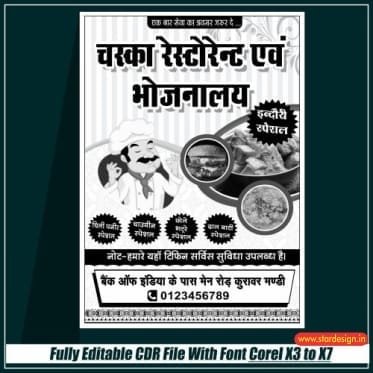
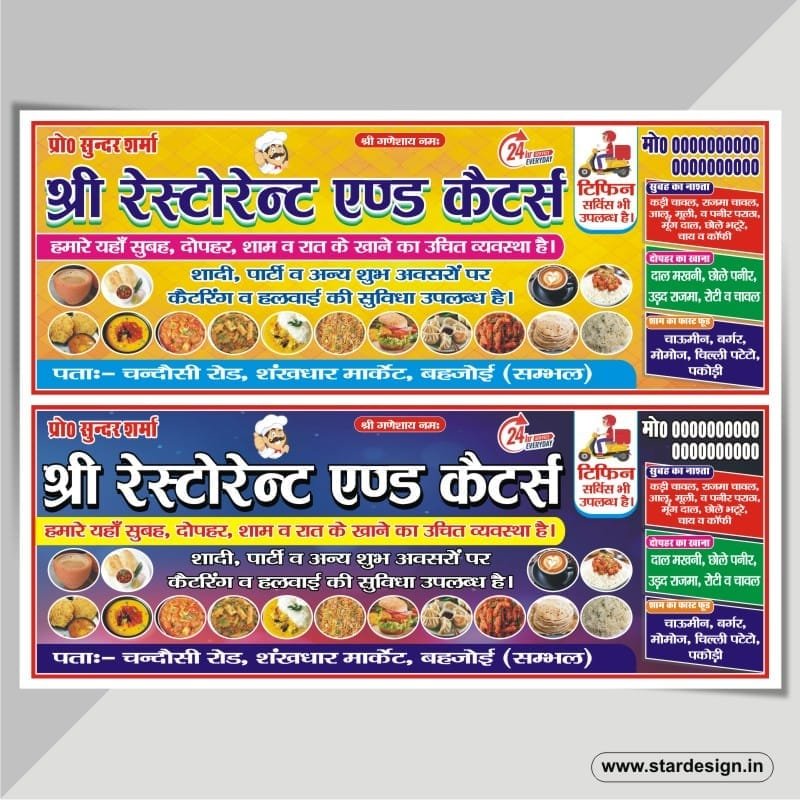
In addition to size, the design goals of the banner should influence the format. If the design heavily relies on visuals and images, a landscape format might work better, as it allows images to span across a broader area and capture attention more effectively. Conversely, if the focus is on delivering key information in text, a portrait format might be preferable as it can streamline the display of information.
Ultimately, the effectiveness of your restaurant or hotel banner depends on its format and size, both tailored to the specific requirements of its location and its intended purpose. Carefully evaluating these aspects can significantly enhance the banner’s visibility, thereby drawing in more guests.
Common Mistakes in Banner Design to Avoid
In the competitive landscape of the hospitality industry, effective banner design is critical for attracting guests. However, many hotels and restaurants fall into common pitfalls that reduce the effectiveness of their banners. One of the most prevalent mistakes is overcrowding the banner with excessive information. An effective banner should convey its message quickly and clearly. When viewers are bombarded with too much text or numerous images, they may struggle to identify the key message, leading to confusion and disengagement.
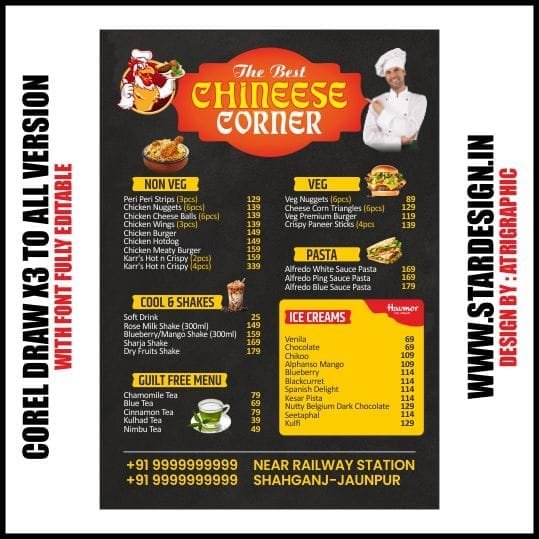
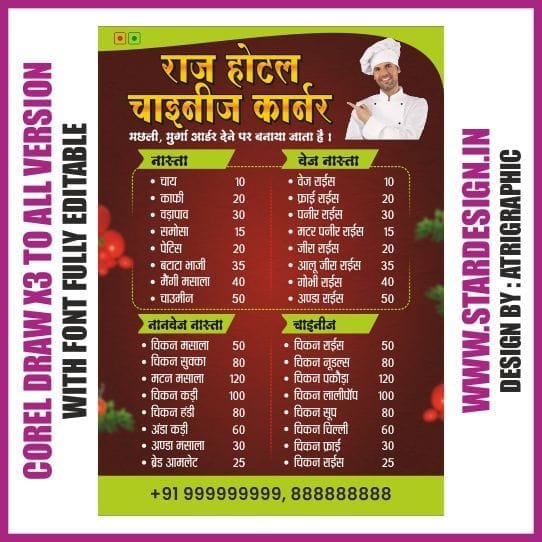
Another frequent error is the inappropriate use of colors and fonts. Selecting colors that clash or using overly elaborate fonts can detract from the banner’s readability. It is essential to choose a consistent and visually appealing color palette as well as clear, legible fonts to ensure that the message stands out. Additionally, banners should employ a hierarchy of information, placing the most critical elements at the forefront, while secondary details can follow in a smaller font.
Moreover, failing to incorporate a clear call to action (CTA) is a significant oversight. The banner should guide potential guests on what steps to take next—whether it be to make a reservation, call for inquiries, or visit a website. A well-defined CTA not only encourages engagement but also enhances the conversion rates of the banner.
Lastly, neglecting to optimize banners for different platforms and sizes can lead to ineffective marketing. Consistency across various formats is essential, ensuring that the banner maintains its appeal and readability whether displayed online, printed, or on social media. By being mindful of these common mistakes, hotels and restaurants can markedly improve the effectiveness of their banner design, ultimately attracting more guests and fostering greater brand loyalty.
Conclusion and Call to Action
In summary, the significance of creative and straightforward banner designs for hotels and restaurants cannot be overstated. These visual assets serve not only as marketing tools but also as vital components of a brand’s identity. A well-designed banner can capture the essence of a restaurant’s ambiance or a hotel’s luxury, enticing potential guests and reinforcing a positive experience for existing patrons.
As we have explored throughout this guide, effective banner design involves a combination of striking visuals, clear messaging, and adherence to branding principles. By leveraging color psychology, typography, and compelling imagery, establishments can create banners that resonate with their target audience. Additionally, simplicity in design can often lead to enhanced clarity and greater impact, ensuring that the message is effectively communicated.
We encourage you to take action by implementing the strategies discussed within this post. Analyze your current banners, identify areas for improvement, and consider the preferences of your target demographic. Whether you are revamping existing designs or creating new ones, focus on creating a cohesive visual narrative that reflects your brand’s values and sets you apart from competitors.
Remember, a strategically designed banner can be the first touchpoint for guests, making it essential to invest time and effort into the creative process. Explore different design options, seek feedback, and be willing to iterate based on what resonates most effectively with your audience. By doing so, you can enhance brand visibility and ultimately drive more traffic to your establishment. Start today by revisiting your banner designs and see the difference it can make in attracting guests.
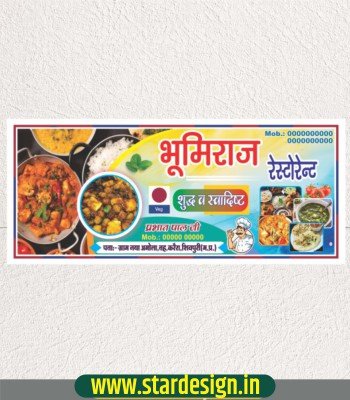





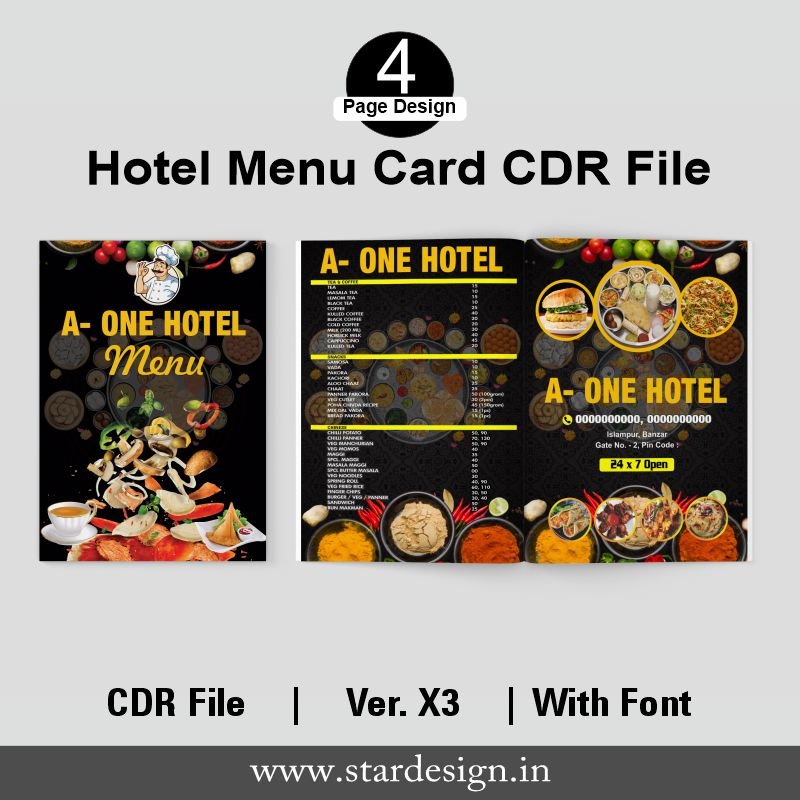










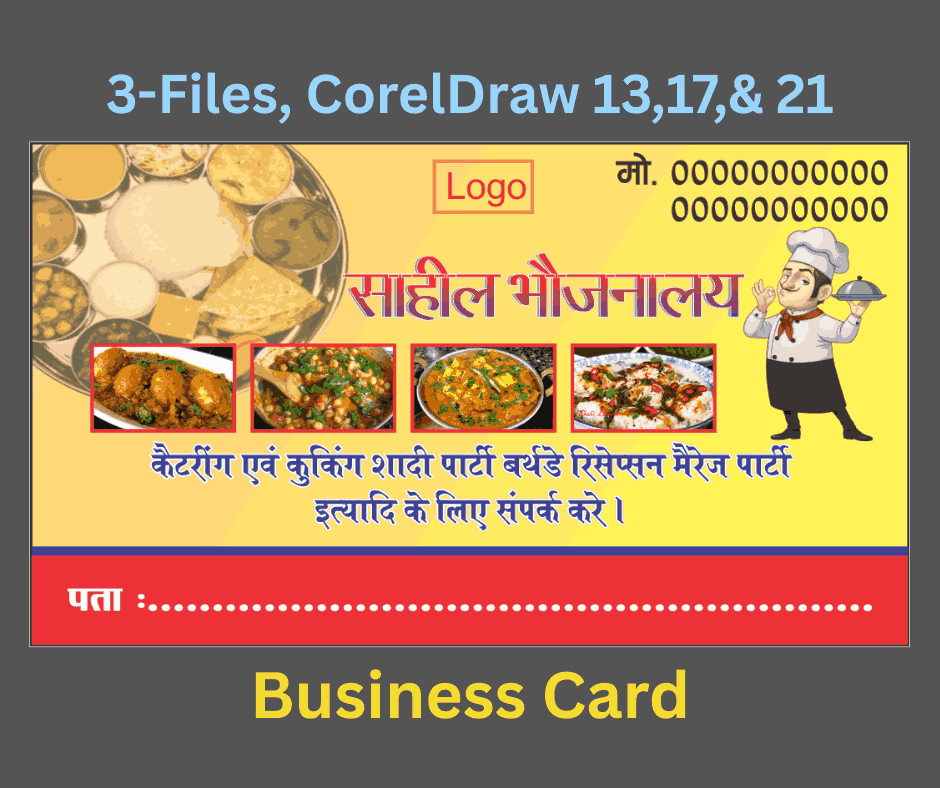
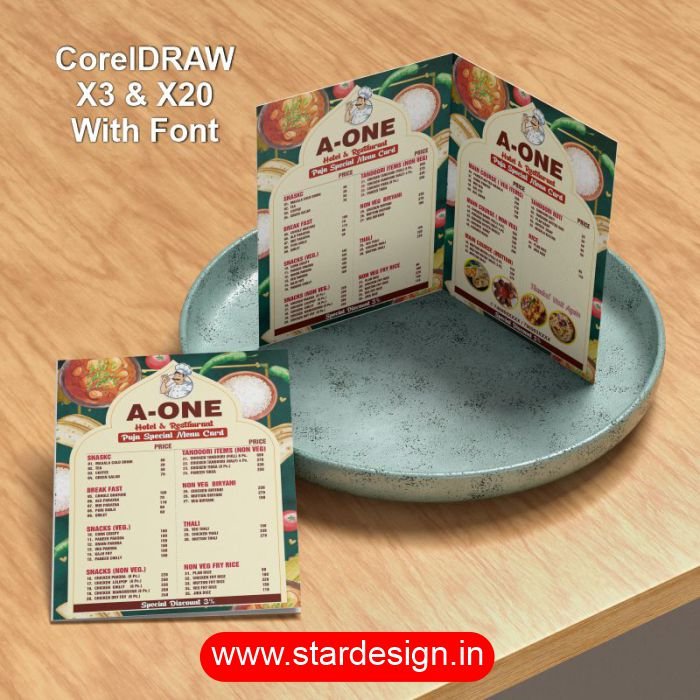
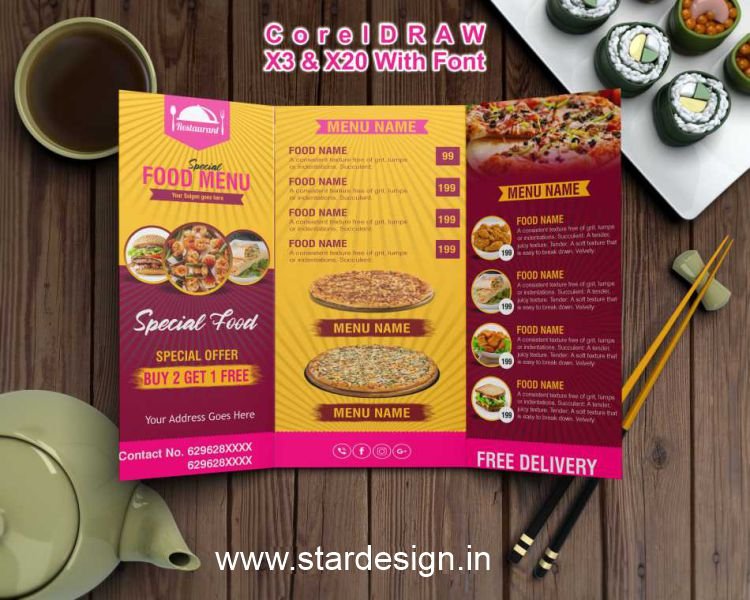
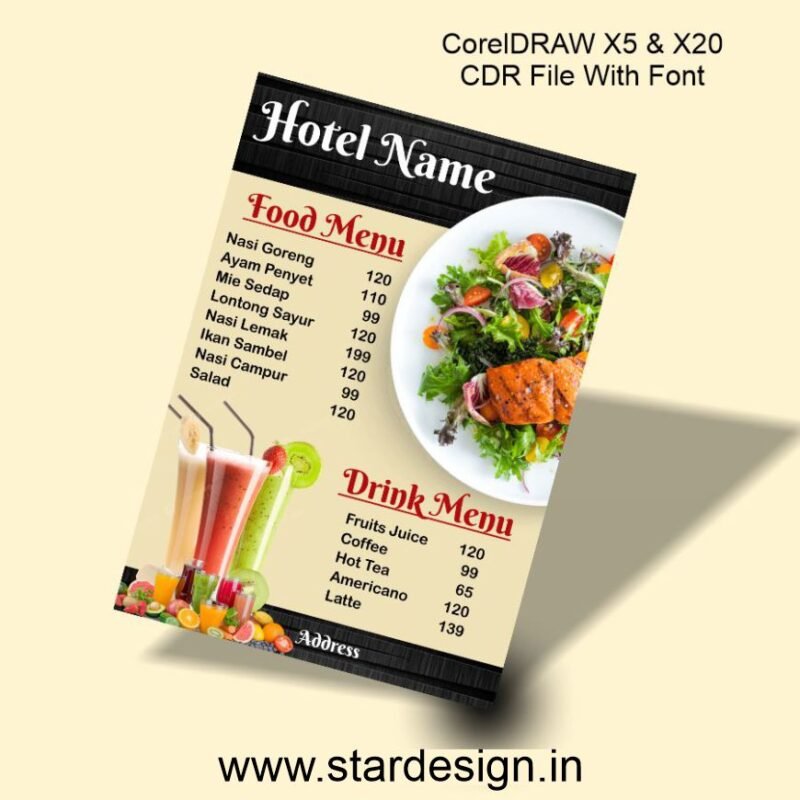
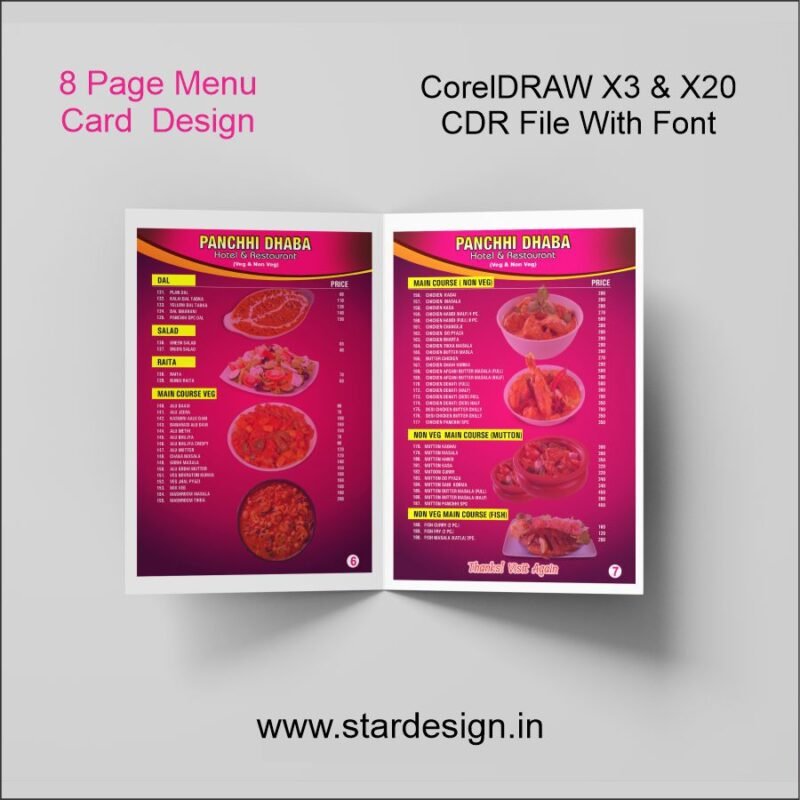
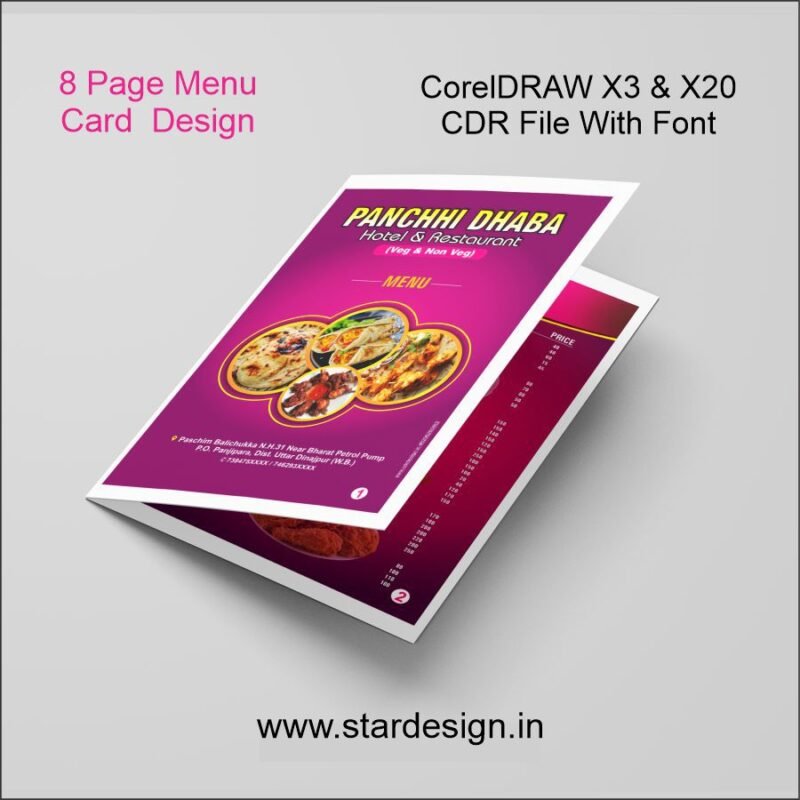


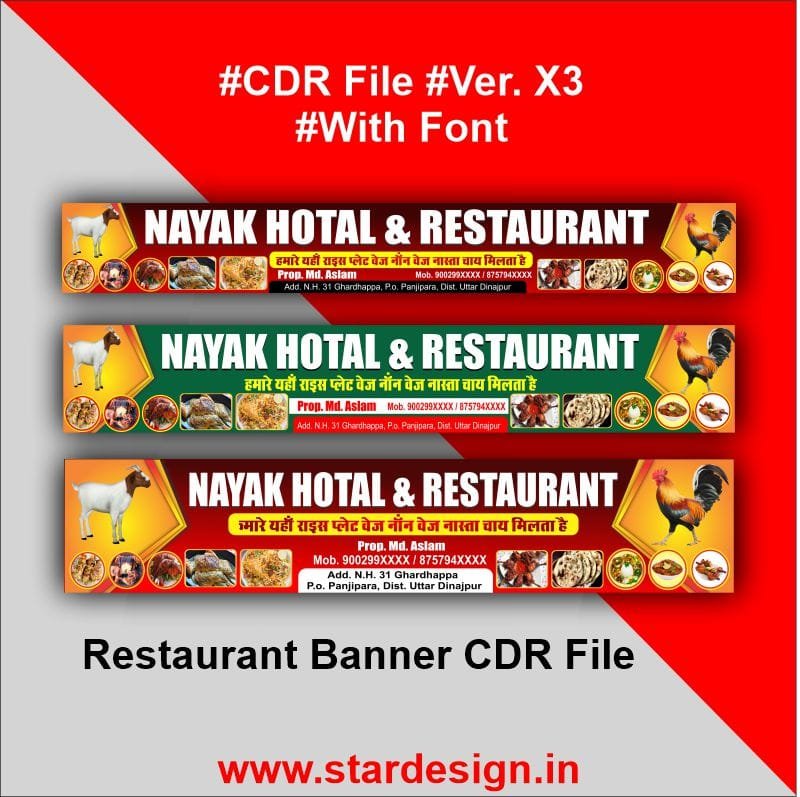
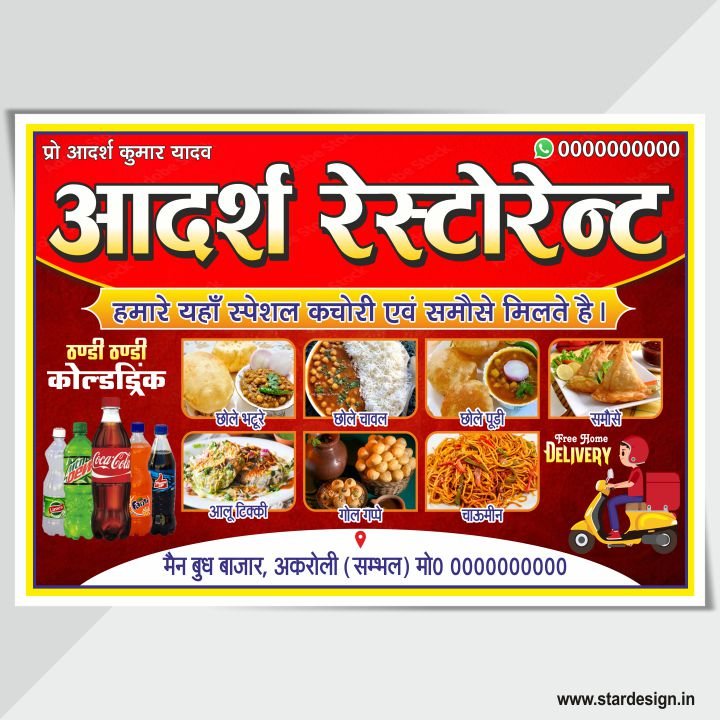

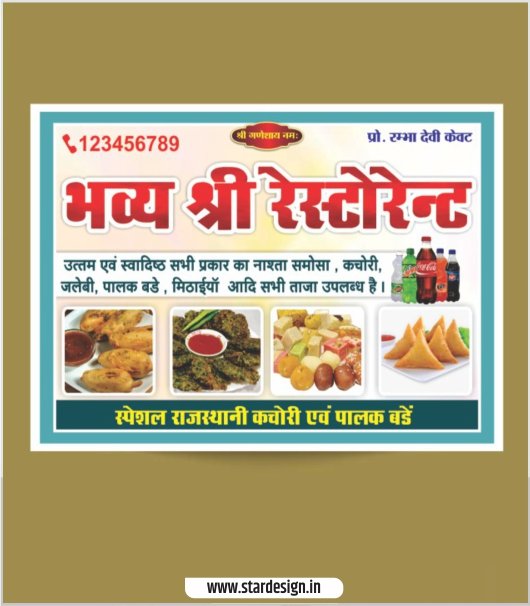





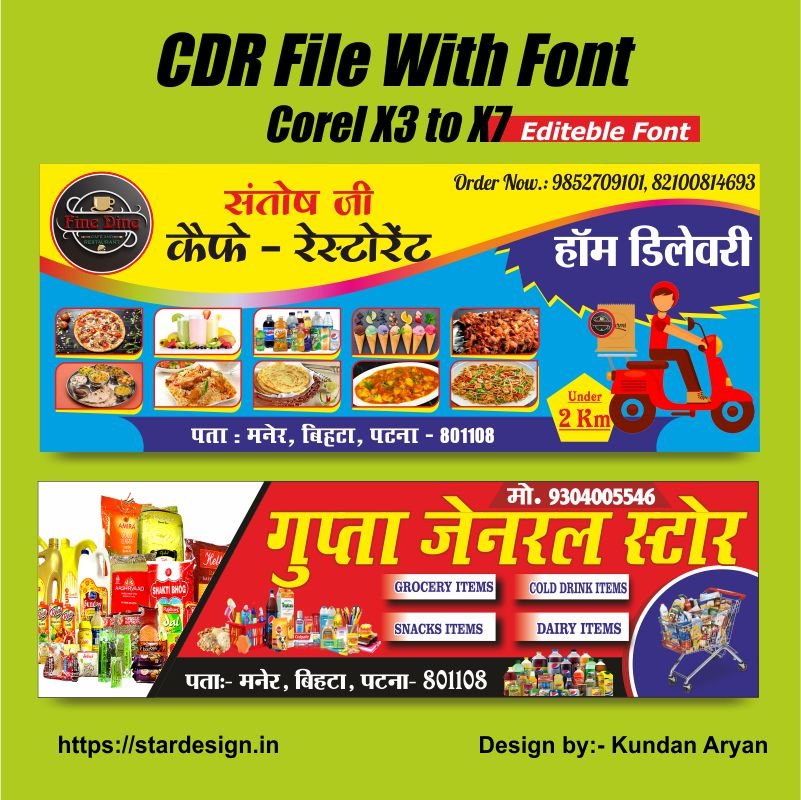
Software : CorelDraw
Version : Corel 12, x3, x4, x5 , x6, x7 to 2022
Font : Yes
Editable : fully