Introduction to Pathology Letterhead and Pad Design
The significance of a well-crafted letterhead and pad design in the realm of pathology practices cannot be overstated. These elements serve not just as practical tools but also as pivotal branding instruments, reflecting the professionalism and credibility of a medical practice. Pathology letterheads and pads are often the first point of contact between healthcare providers and their clients, patients, or referring physicians. Therefore, their design must be executed with precision to ensure effective communication and a lasting impression.
An effective letterhead design incorporates essential elements such as the practice’s logo, contact information, and tagline. The choice of fonts, colors, and overall layout must align with the practice’s brand identity, making it distinct and recognizable. Given the delicate nature of pathology work, where accuracy and trust are paramount, the design must communicate reliability and expertise. By using clean lines, professional typography, and quality materials, pathology letterheads can embody the ethos of a dedicated medical practice.
In addition to establishing brand identity, well-designed letterheads and pads can improve the efficiency of communication. When information is clearly presented, it reduces the likelihood of misunderstandings in vital health-related discussions. The design can also facilitate the inclusion of vital details such as patient information, diagnostic results, or referral recommendations, ensuring that the communication is both professional and informative.
In summary, the design of letterheads and pads in pathology practices is an essential component that influences overall professionalism and branding. By prioritizing effective design, practices can not only enhance their image but also streamline their communication processes, ultimately benefiting both the providers and their patients.
Elements of Pathology Letterhead Design
The design of a pathology letterhead serves as a vital communication tool for establishing a professional brand identity. An effective letterhead incorporates several key components that facilitate both aesthetic appeal and functional clarity.
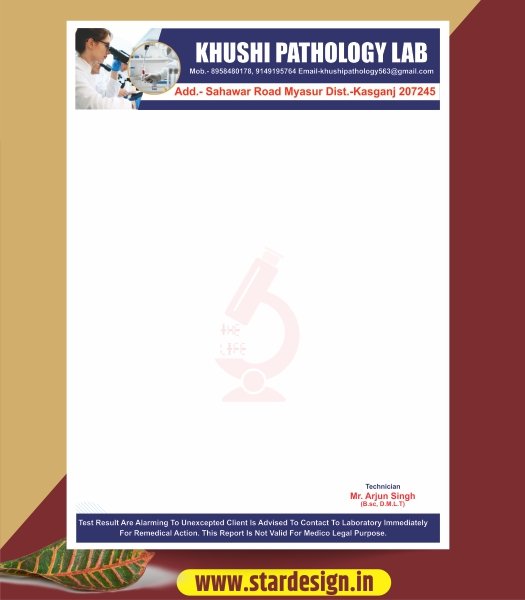
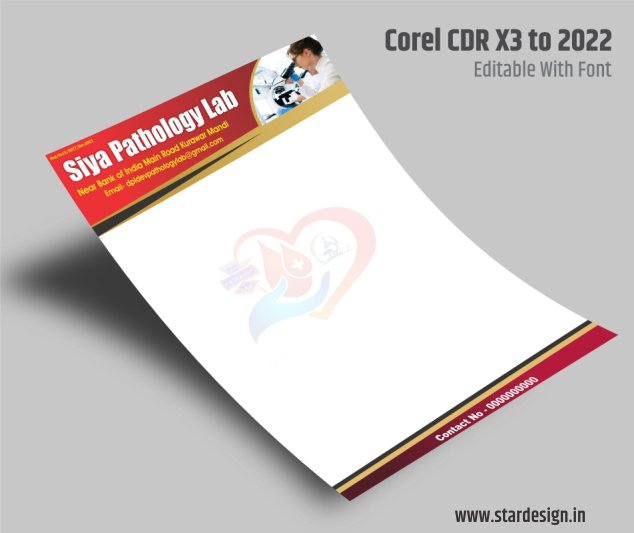
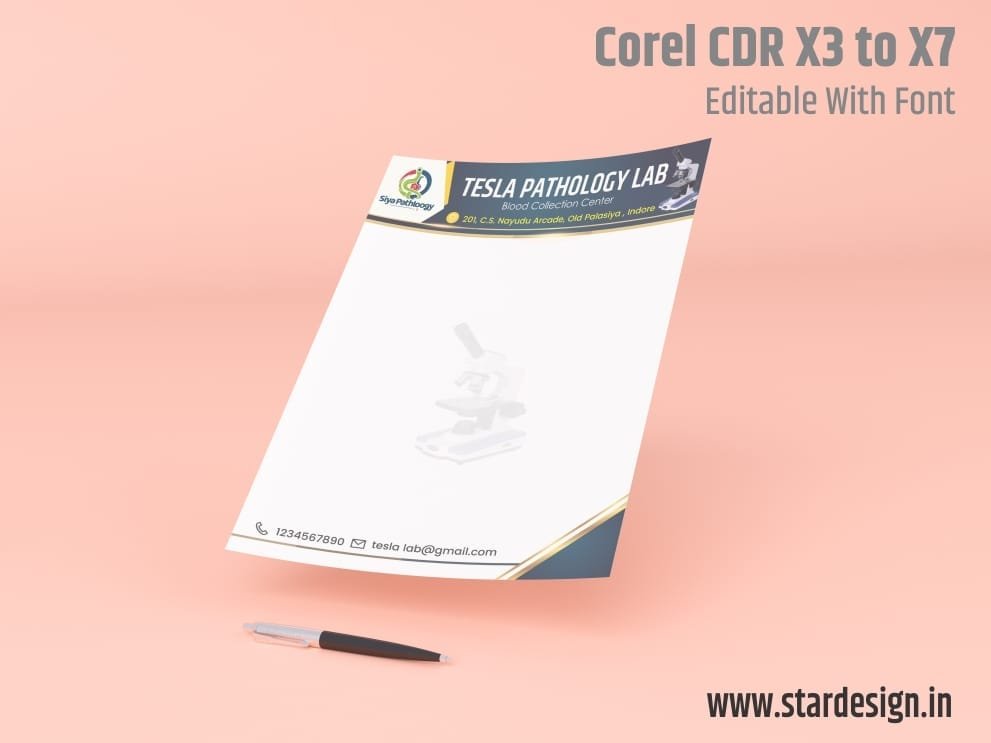
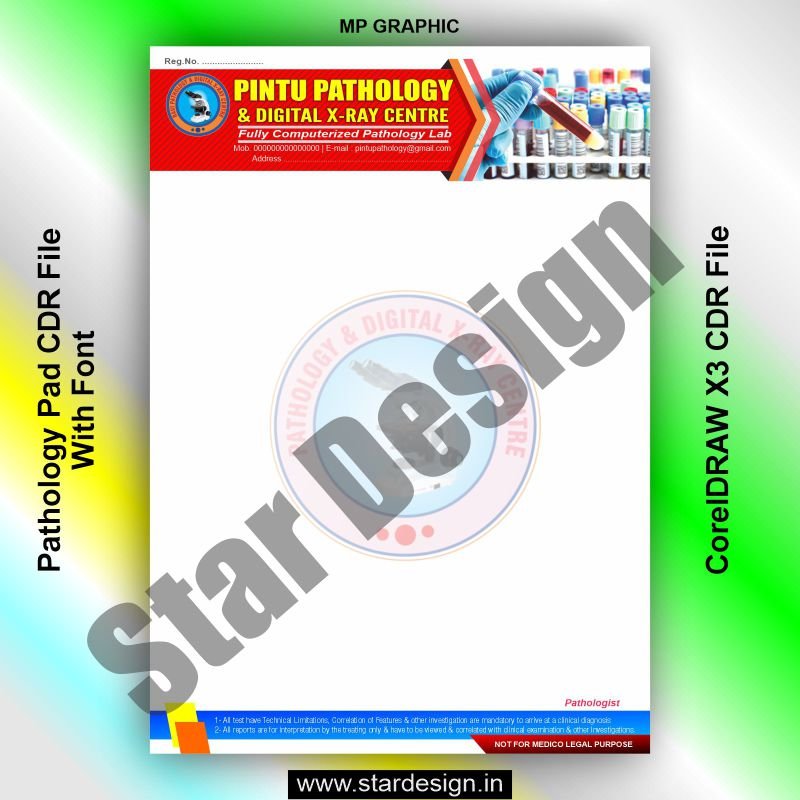
One of the foremost elements is the logo placement. The logo represents the entity’s identity and should be prominently displayed in the upper-left corner or centered at the top of the page. This positioning helps in creating immediate recognition of the pathology practice. The logo should be high-quality and consistent with the overall branding strategy, ensuring it stands out while maintaining professionalism.
Typography also plays a critical role in the design of pathology letterhead. The choice of fonts should reflect the seriousness of the medical field, balancing readability with an elegant appearance. A traditional serif font may convey reliability, whereas a sans-serif font can give a modern touch. Consistency in font usage for headings and body text is essential to maintain a harmonious look.
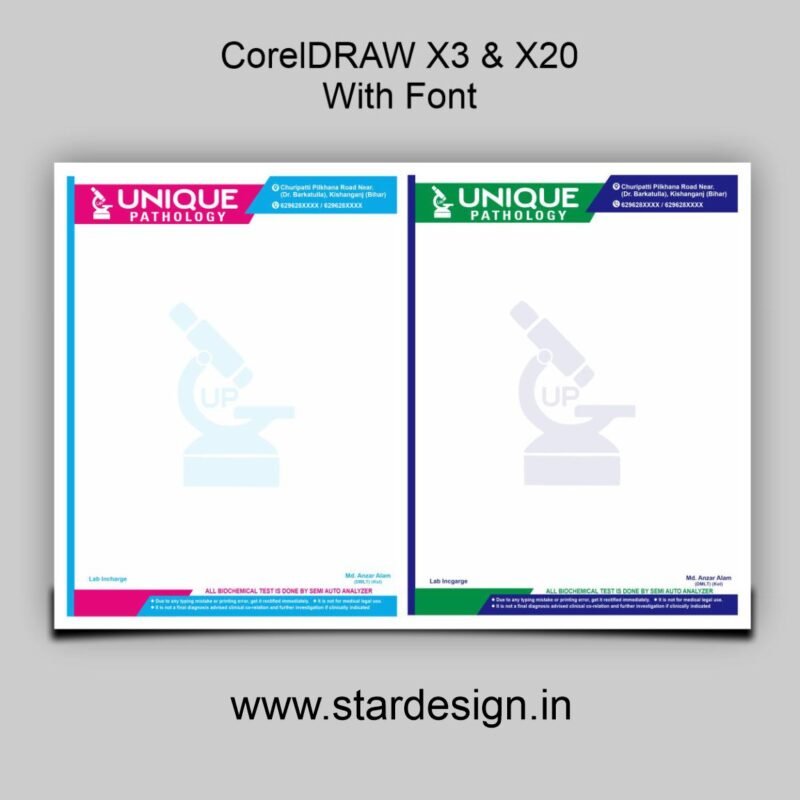
Color schemes should be carefully selected to invoke trust and professionalism. Common choices in the medical industry include shades of blue, green, and grey, which are often associated with calmness and reliability. It is important to limit the number of colors used, typically to two or three, to avoid overwhelming the viewer and to maintain a cohesive appearance.
Lastly, inclusion of essential information is crucial. A pathology letterhead should feature contact details prominently, including phone numbers, email addresses, and physical addresses. Additionally, credentialing information, such as board certifications or practice affiliations, can enhance credibility. By integrating these components effectively, a pathology letterhead not only serves its practical purpose but also enhances the overall image of the practice.
Importance of Professional Branding in Pathology
In the field of pathology, professional branding plays a crucial role in establishing credibility and fostering trust between medical practitioners and their clients. A customized letterhead and pad design serve not only as functional tools for correspondence but also as vital elements of a pathology practice’s brand identity. When clients and colleagues receive documents featuring well-designed letterheads, they are more likely to perceive the practice as organized, professional, and reliable.
The impact of first impressions cannot be overstated. A well-crafted letterhead can immediately convey a sense of professionalism, which is especially important in a clinical environment where trust is paramount. Initial interactions often set the tone for long-term relationships; having a distinguished brand presence helps make a positive impression that resonates with patients and partners alike. This concept highlights the importance of visual consistency and quality in every aspect of a pathology practice’s communication materials.
Brand recognition is also significantly enhanced through consistent use of customized letterhead and pads. When clients continually encounter recognizable branding elements—such as logos, fonts, and color schemes—it strengthens their association with the quality of services being provided. Furthermore, this recognition can lead to increased referrals, as satisfied clients are likely to recommend a practice that they trust and easily recall. Thus, investing in a professional branding strategy through letterhead and pad design is not merely an aesthetic decision; it’s a strategic maneuver to reinforce a pathology practice’s reputation within the medical community, making it a vital consideration for any practitioner aiming to stand out in a crowded marketplace.
Design considerations for pathology pads play a crucial role in enhancing their usability and functionality in everyday operations within pathology labs and medical facilities. The layout of the pad should be thoughtfully structured to facilitate smooth workflow and information exchange. A cluttered or confusing layout may hinder the efficiency of healthcare professionals, making it essential to prioritize clarity and organization in the design.
When determining the size of pathology pads, it is important to balance portability and usability. Common sizes include A4 and legal sizes, which provide a sufficient writing area while remaining manageable for daily handling. A larger pad may accommodate more details, whereas a smaller size may be preferable for quick notes and observations. Assessing the specific needs of the pathology department is fundamental in establishing the most effective dimensions for the pads.
Usability is perhaps the most significant factor to consider when designing pathology pads. Incorporating features such as pre-printed sections for patient information, test results, and notes can streamline the documentation process, allowing pathologists to record vital information rapidly. Additionally, using high-quality, bleed-proof paper is critical to ensure that ink does not smudge or transfer, providing a clean and professional appearance. Furthermore, the inclusion of ample margins can assist in preventing any critical information from being cut off during use.
Overall, the design of pathology pads should not only reflect the professional branding of the institution but also enhance the practical application in day-to-day operations. A well-designed pathology pad ultimately supports healthcare professionals in delivering accurate and timely diagnostic information.
Choosing Colors and Fonts for Pathology Practices
When designing a letterhead and pad for a pathology practice, selecting the appropriate colors and fonts is crucial, as these elements can significantly influence the perception of professionalism and trustworthiness. Research in color psychology suggests that different colors evoke various emotions and reactions, which can impact the communication between healthcare professionals and their patients.
For instance, blue is often associated with trust, calmness, and medical professionalism. It is a popular choice among healthcare providers, as it can instill a sense of security and reassurance for patients. In contrast, green symbolizes health, freshness, and vitality, making it another excellent choice for pathology practices focused on life and wellness. Subtle variations of these colors, such as teal or navy, can also be effective and may work well in a clinical setting.
When selecting fonts, legibility should be the top priority. Sans-serif fonts such as Arial or Helvetica are recommended for their clean and modern appearance, making them easy to read both online and in print. Serif fonts can be used to convey a sense of tradition and reliability; however, care must be taken to ensure that they remain easy on the eyes. Combining a simple font for the main text with a more stylized font for headings can create an engaging visual hierarchy, enhancing the overall readability of the documents.
Moreover, it is important to consider the contrast between text and background colors to ensure readability. Dark text on a light background is often the easiest for patients to read and interpret. Lastly, maintaining consistency across all materials—letterheads, pads, and other printed resources—will help reinforce brand identity and professionalism within the practice.
Illustrating Your Brand Identity through Design
Designing a letterhead and pad for a pathology practice is not merely a matter of aesthetic preference; it is a crucial opportunity to convey your unique brand identity. The visual elements incorporated into your design should reflect both professionalism and the specialized nature of your field. This approach not only fosters recognition among patients and colleagues but also reinforces trust and credibility in your practice.
One effective way to establish your brand’s identity is through the consistent use of color schemes. Colors can evoke emotions and convey messages even before a patient reads any text. For instance, using shades of blue often represents professionalism and trust, while green can symbolize health and vitality. Aligning your color choices with these associations can communicate core values of your practice effortlessly. Additionally, incorporating images that are representative of pathology, such as stylized cells or anatomical illustrations, may further reinforce the connection between your brand and its specialized services.
Typography also plays a significant role in brand identity. The font selection should resonate with the values of your practice and appeal to your target audience. A clean, modern typeface may convey innovation and precision, qualities that are essential in the healthcare field. Meanwhile, more traditional fonts can evoke a sense of heritage and reliability, appealing to those who prioritize experience and stability in their healthcare providers.
Finally, the layout of your letterhead and pad should prioritize clarity and ease of use. An organized design ensures that essential information, such as contact details and branding elements, are readily accessible. By balancing visual appeal with functionality, you create a powerful tool that not only represents your brand identity but also serves its practical purpose effectively.
Legal Requirements for Medical Letterhead
When designing letterheads and pads for medical use, there are several legal considerations that must be taken into account to ensure compliance with healthcare regulations. The primary objective is to ensure that all necessary information is clearly presented and that the design adheres to relevant legal frameworks.
Firstly, the letterhead must include essential details such as the name of the medical practice or individual practitioner, professional designation, address, and contact information. This information not only establishes the identity of the healthcare provider but also allows patients or other recipients to contact the practice easily. In many jurisdictions, healthcare providers are mandated by law to include their registration or license number on all official documents, including letterheads, further enhancing accountability and transparency.
In addition to basic information, there are specific disclaimers that may be required on medical letterheads. For instance, statements clarifying the limitations of the communication, such as “This letter is for informational purposes only and should not be considered medical advice,” may be necessary to mitigate potential liability. Such disclaimers communicate the purpose of the document and help to manage the expectations of the reader.
Moreover, compliance with the Health Insurance Portability and Accountability Act (HIPAA) in the United States is paramount. Any patient-related information included in correspondence must be handled carefully to maintain confidentiality and protect sensitive data. Letterheads and pads should, therefore, reflect a commitment to patient privacy and adhere to designed standards that demonstrate this adherence.
Finally, the overall design of medical letterheads and pads should not only focus on aesthetics but also ensure readability and clarity, which are essential in conveying important information. Practitioners should regularly review their letterhead to ensure that it remains compliant with any changes in regulations or legal requirements.
Examples of Successful Pathology Letterhead and Pad Designs
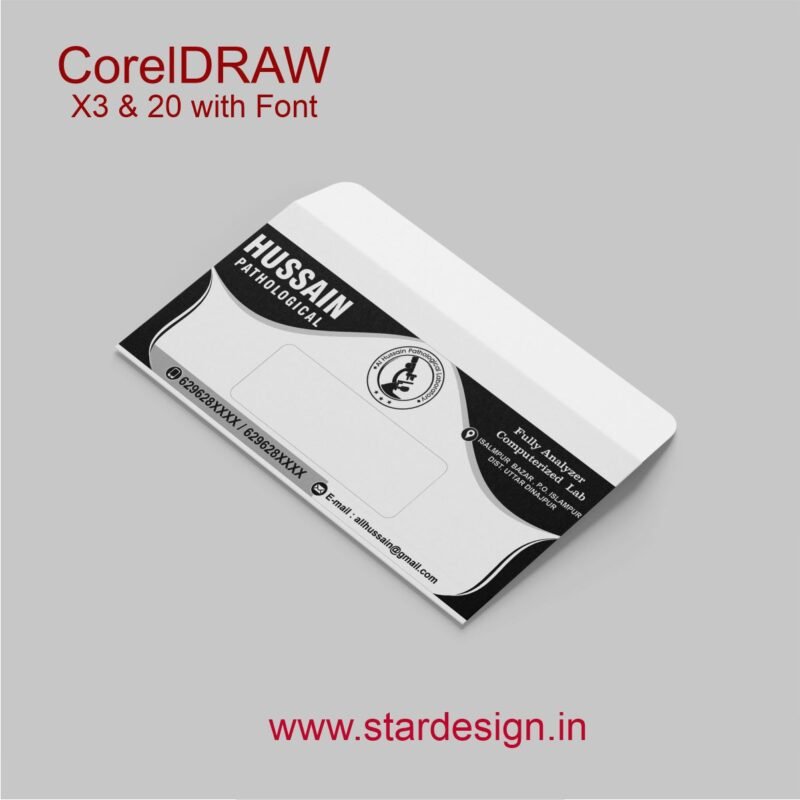
Successful pathology letterhead and pad designs often demonstrate a blend of professionalism, clarity, and brand identity. For instance, a leading pathology practice in New York has adopted a minimalist design featuring a crisp white background with their logo prominently displayed at the top. This design not only conveys a sense of cleanliness and precision—qualities intrinsic to pathology—but also ensures that any information presented on the letterhead is easily readable. The use of blue and green color accents complements the logo and evokes trust and calmness, which are vital in medical communications.
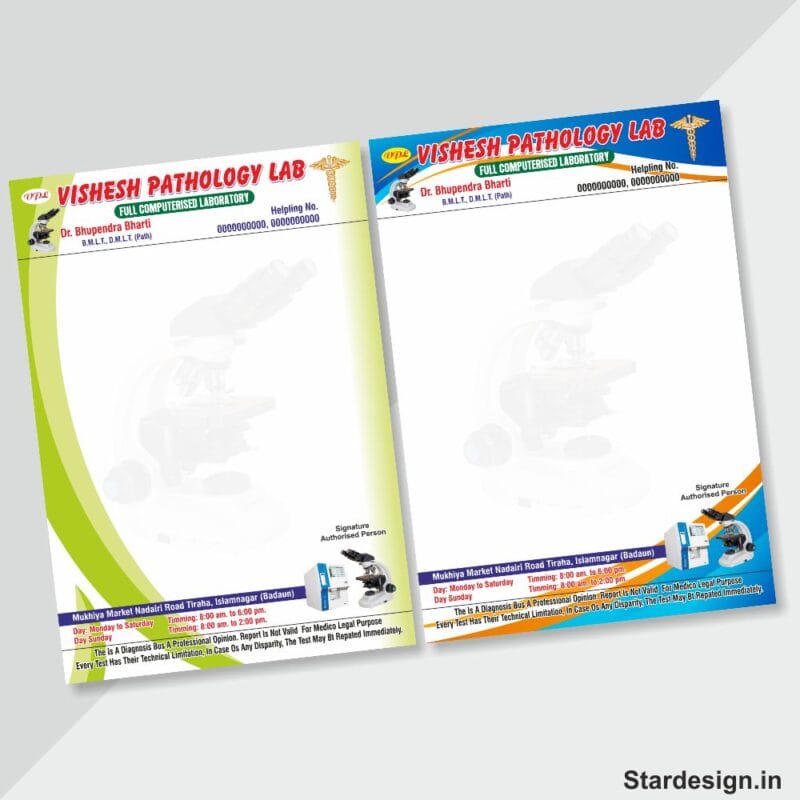
Another noteworthy example comes from a multi-specialty clinic in California. Their letterhead incorporates a warm color palette combined with a clean and modern font. This approach helps in softening the often intimidating nature of medical correspondence. The inclusion of contact information in the footer is strategically placed for easy access, while the space for patient details allows flexibility for personalized communication. Such designs not only ensure functionality but also resonate with patients, thus enhancing overall satisfaction.
Moreover, a pathology lab in Texas has successfully integrated information about their certifications into both their letterhead and pads. By placing a small section dedicated to professional certifications alongside their logo, they underline their expertise and reliability, helping to build confidence among referring physicians and patients alike. Consistency across their correspondence—from letterheads to pads—fosters a cohesive brand image that speaks to quality service. A wide range of inspirations can be drawn from these examples, demonstrating how effective design in pathology letterhead and pads can communicate professionalism and foster a strong connection with clients while ensuring vital information is transmitted effectively.
Conclusion and Final Thoughts on Design Impact
The importance of a well-crafted letterhead and pad design in the pathology field cannot be understated. As a vital communication tool, a thoughtfully designed letterhead serves not only as a representation of the practice’s identity but also enhances professionalism and credibility in correspondence. A letterhead that effectively incorporates the core elements of branding—such as logo, color scheme, and typography—can significantly impact how patients, colleagues, and other stakeholders perceive the practice.
Furthermore, the functionality of letter pads is equally significant. Aesthetically pleasing yet practical designs can encourage effective communication and can enhance the experience for both the sender and the recipient. The integration of essential contact information and professional affiliations within the design fosters trust and eases outreach, reinforcing the professional image one aims to project.
As pathology professionals evaluate their current letterhead and pad designs, it is worthwhile to consider how these elements affect overall practice visibility and reputation. Upgrading to a more modern or cohesive design can lead to improved patient interactions and foster a stronger connection with referring physicians. Ultimately, investing time and resources into a refined letterhead and pad design can yield a positive return by establishing a recognizable identity that resonates within the medical community.
In closing, a meticulous approach to design can elevate the perception of quality and care in pathology practices. By focusing on a clear, professional presentation, pathologists can stand out and advance their practice while simultaneously promoting effective communication and collaboration in the healthcare environment.