Understanding the Role of CSC Centres
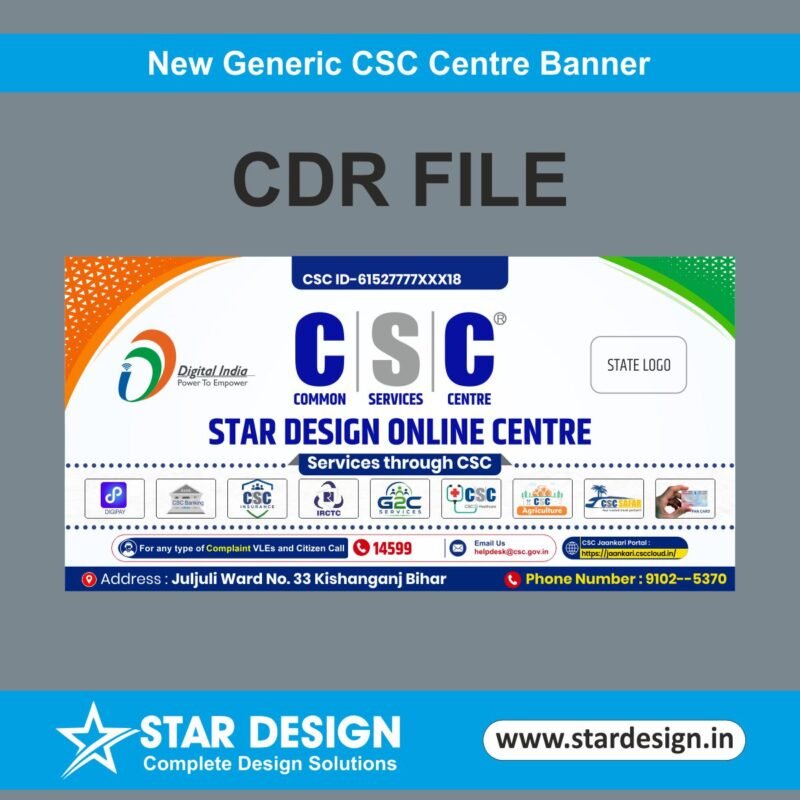
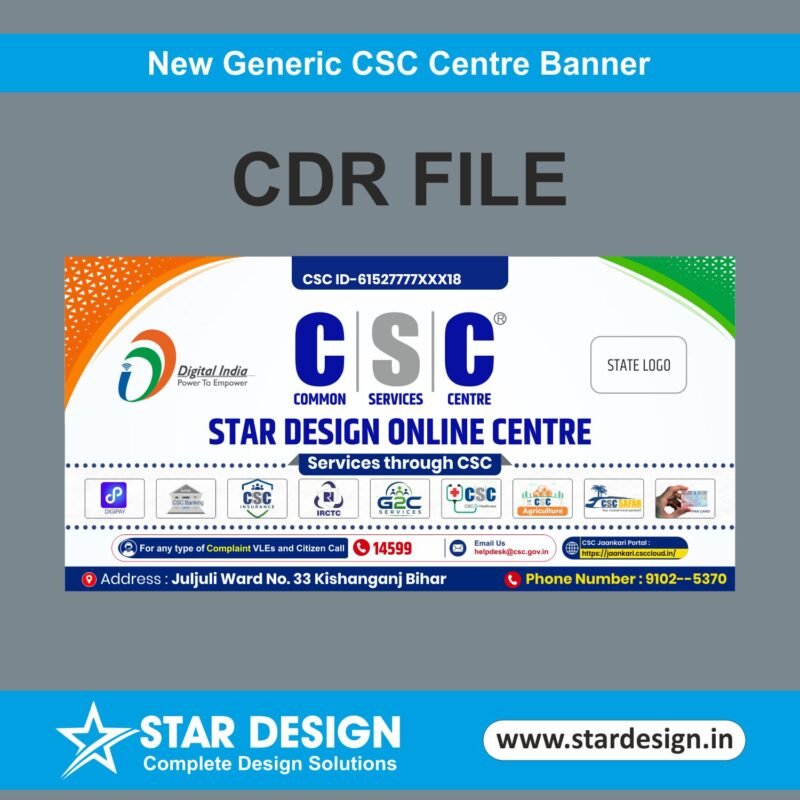
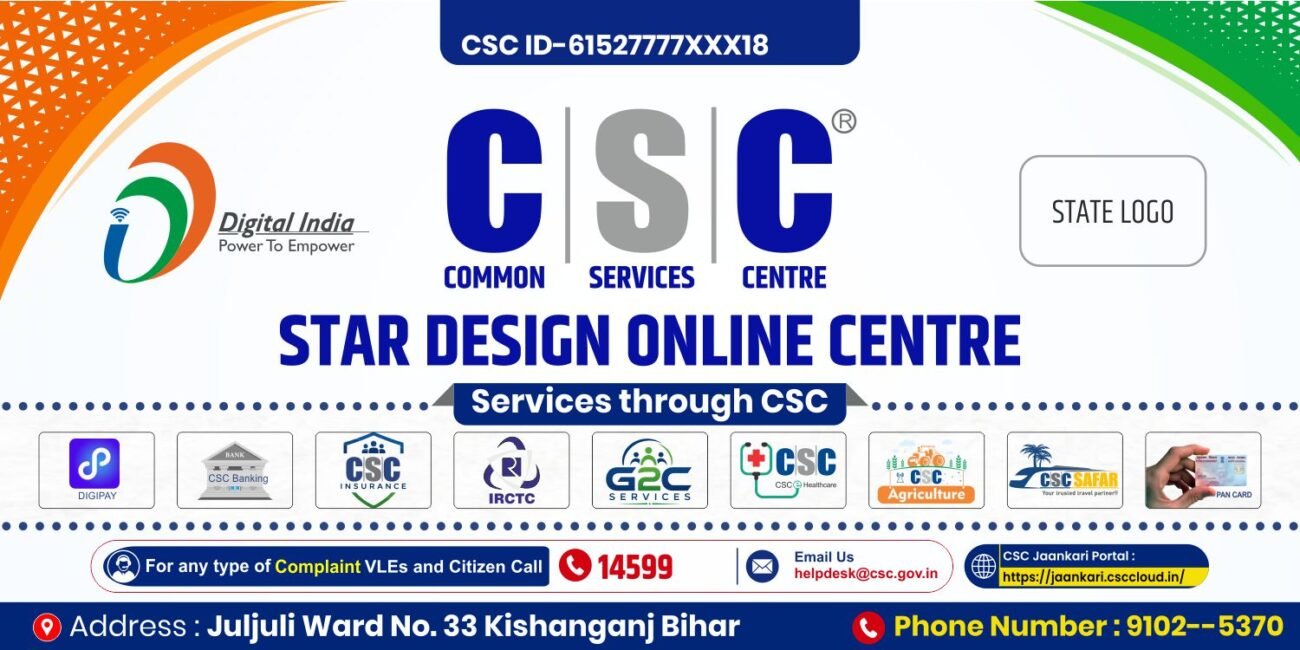
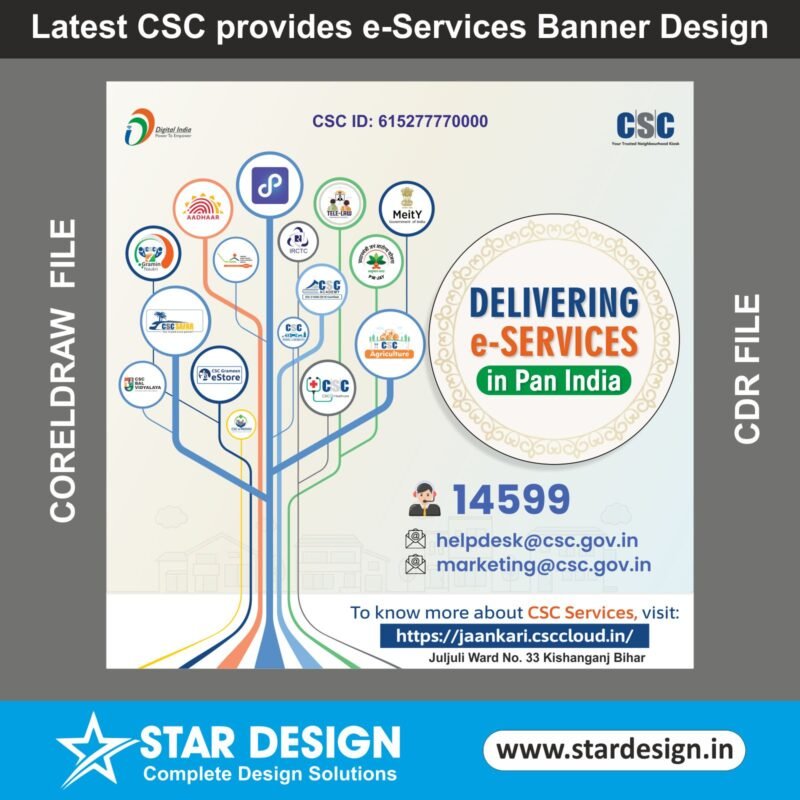
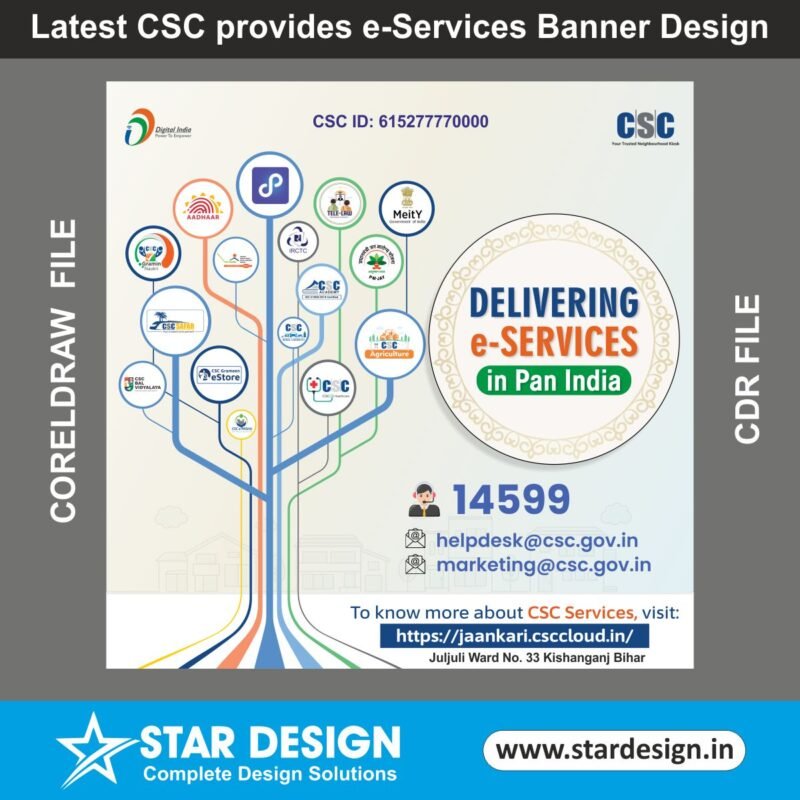
Common Service Centres (CSC) are pivotal in bridging the gap between the government and its citizens. They play a crucial role in delivering a myriad of services that are essential for the welfare and development of the community. These centres serve as a one-stop solution, offering access to governmental resources, financial services, and various employment opportunities, thereby contributing significantly to the socio-economic upliftment of individuals.
The primary function of CSCs includes facilitating citizens’ access to e-Government services. This encompasses a range of online applications and resources which can sometimes be challenging for the everyday user to navigate. CSCs provide necessary guidance and support, ensuring that citizens can efficiently utilize these services. Moreover, the centres assist in the delivery of essential welfare schemes, thereby enhancing the quality of life for many marginalized groups.
Your understanding of CSC’s purpose goes beyond mere service provision; it encompasses a broader goal of fostering digital literacy and inclusion. By equipping citizens with the skills and knowledge needed to access and utilize digital platforms, CSCs serve as a stepping stone towards greater empowerment and participation in the digital economy.
In addition to governmental services, Common Service Centres also offer financial services that include banking, insurance, and even microfinance solutions, thus extending the reach of financial inclusion. This multifaceted approach allows individuals to access vital services conveniently and encourages entrepreneurship and self-reliance among local populations.
Furthermore, visual branding plays a significant role in the awareness and perception of the Common Service Centres. Effective branding enhances the visibility of these services, making it easier for citizens to recognize and trust these centres as a reliable source of support. High-quality banners and signage not only attract attention but also reinforce the purpose of these centres as community-centric hubs. Thus, a thoughtful approach to visual design can significantly enhance public engagement with the services offered by CSCs.
Key Elements of Effective Banner Design
Creating an impactful banner design involves understanding the essential components that contribute to its overall effectiveness. One of the primary elements is the color scheme. The choice of colors not only affects the aesthetics of the banner but also plays a significant role in eliciting emotional responses from the viewers. For instance, warm colors such as red and yellow can convey excitement and urgency, while cooler tones like blue and green can evoke feelings of calmness and trust. A well-chosen color palette should align with the message being communicated, enhancing visibility and emotional appeal.
Another critical component is typography. The fonts selected for the banner must be legible from a distance, ensuring that the text can be read quickly and easily. Various font styles can convey different tones—serif fonts might project a sense of tradition and reliability, whereas sans-serif fonts often appear more modern and clean. Maintaining consistency in font selection across the banner also helps in establishing a professional look.
In addition to color and typography, the layout of the banner is vital. A balanced layout guides the viewer’s eye and prioritizes information effectively. Elements should be arranged to provide a logical flow of information, focusing on the most important aspects first. For example, the brand logo and main message may be placed at the top or center of the design, making them the focal points.
Lastly, the use of compelling imagery can significantly enhance the effectiveness of a banner. High-quality images or graphics can attract attention and illustrate the message being conveyed. Choosing visuals that resonate with the target audience is key; carefully selected imagery can evoke interest and spur action. Overall, an effective banner design relies on the harmonious integration of color schemes, typography, layout, and imagery to create a compelling and engaging visual experience.
Current Trends in Banner Design
In the realm of graphic design, particularly in the creation of banners for CSC centres, several current trends are emerging that are reshaping the aesthetic and functional approach to this form of visual communication. These trends not only enhance the visual appeal of banners but also significantly improve audience engagement.
One prominent trend is the use of minimalist design principles. This approach emphasizes simplicity, focusing on essential elements that capture attention without overwhelming the viewer. Clean lines, ample negative space, and limited color palettes help create a modern yet impactful look. By eliminating clutter, designers can effectively communicate the message of the banner, ensuring clarity and enhancing recognition.
Additionally, the incorporation of bold typography is gaining traction in banner design. Using large, eye-catching fonts can draw viewers’ eyes and convey information quickly. Designers are experimenting with various typefaces and styles to create unique visual identities for CSC centres. This trend aligns with the need for immediate communication, as many potential clients or visitors may only glance at a banner for a brief moment.
Furthermore, technology plays a crucial role in contemporary banner design. The integration of augmented reality (AR) is becoming more prevalent, allowing viewers to engage with the banner content in innovative ways. For example, scanning a QR code can provide additional information or direct users to digital resources. This interactivity not only enhances user experience but also fosters a connection between the audience and the centre’s offerings.
Lastly, vibrant colors and high-quality images remain vital in banner design. As competition grows, striking visuals can help a CSC centre stand out. Designers are increasingly leveraging eye-catching visuals that reflect current cultural themes or social trends, ensuring their banners resonate with target audiences. Overall, staying abreast of these design trends is essential for creating effective banners that communicate the essence and offerings of CSC centres.
E-Services Promotion: What to Include
When creating a banner to promote e-services in a Customer Service Center (CSC), it is essential to strategically select the information and services to highlight. An effective banner should capture the attention of prospective users while clearly communicating the range of available services. The ultimate goal is to enhance understanding and encourage utilization of e-services.
Firstly, the banner should prominently feature the core e-services offered. This may include online registration, appointment scheduling, and access to vital information. Clearly listing these services allows users to instantly recognize what they can achieve through the CSC’s e-platform. Effective use of graphics and icons can also assist in visually representing each service, making it easier for the audience to grasp the offerings at a glance.
In addition to listing services, it is crucial to convey the benefits associated with utilizing these e-services. Highlighting advantages such as convenience, time-saving, and the ability to complete tasks from home can incentivize users. For instance, one might say, “Save your time by managing your services online from the comfort of your home.” Such messaging not only informs but also resonates well with the audience’s lifestyle.
Another important aspect is to include clear calls to action. Positive prompts such as “Explore our e-services now!” or “Sign up for online access today!” can significantly influence user engagement. The placement of these calls to action should be visible and appealing to capture immediate attention.
Finally, including contact information or links to the CSC’s social media pages can provide prospective users with additional resources. This facilitates further inquiries and encourages users to engage more deeply with the services offered. Overall, a well-designed banner for e-services promotion should effectively communicate what is available, and the benefits while guiding potential users on how to proceed.
Designing for Accessibility
Creating banners for Community Service Centers (CSC) involves a commitment to inclusivity, which directly addresses the essential needs of all community members. Accessibility in design must be a primary consideration, ensuring that everyone, including individuals with disabilities, can engage with the content effectively. One of the key elements to focus on is the text size used on banners. Large, legible fonts enhance readability, particularly for those with visual impairments. It is recommended to use a minimum font size that guarantees visibility from a distance while ensuring that critical information is easily discernible.
Another fundamental aspect of accessible design is the color contrast between text and background. High contrast colors help all viewers, especially those with color vision deficiencies, to read the banners without straining their eyes. For instance, using dark text on a light background, or vice versa, can significantly improve legibility. It is also advisable to avoid color combinations that are known to be problematic for individuals with color blindness, such as red and green, to accommodate those who may struggle with these hues.
Inclusive imagery is also paramount in developing accessible banners. Selecting images that represent diverse community members fosters a sense of belonging and ensures that everyone feels seen and acknowledged. Including symbols or icons that are universally recognized can further aid in communication, bridging gaps in understanding for various audience segments. Moreover, incorporating alt texts for any visual elements enhances the experience for users who rely on screen readers, making the content more accessible overall.
By prioritizing these design features—text size, color contrast, and inclusive imagery—CSC banners can effectively serve their purpose while promoting an environment that is welcoming to all community members. This thoughtful approach to banner design not only demonstrates respect for diversity but also complies with accessibility standards, contributing to a more equitable community engagement experience.
Incorporating Local Culture in Banner Design
When designing banners for Community Service Centres (CSC), it is essential to incorporate local culture and values to create a visual identity that resonates with the community. This can significantly enhance the effectiveness of the banners, making them more appealing and relevant to local residents. By embracing cultural elements in the design process, the banners can foster a sense of pride and belonging among community members.
Local symbols play a crucial role in reflecting the identity of a region. Designers should thoroughly research the iconic imagery associated with the community, including traditional motifs, patterns, and art forms. Utilizing these symbols in the banner design not only pays homage to the local heritage but also establishes a connection with the target audience. For example, if a community is known for a specific cultural heritage, using symbols from that heritage can evoke positive feelings and enhance recognition.
Another vital aspect of incorporating local culture is the use of language. Banners should employ the primary language or dialect spoken within the community. This ensures that messages are clear and accessible, further promoting engagement with the community. Additionally, including bilingual or multilingual text can cater to a diverse audience, acknowledging the varying linguistic backgrounds present in the area.
Imagery that reflects community activities or historical events can also enhance the banner’s relevance. Including photographs or illustrations of notable landmarks, events, or local heroes can evoke emotions and create an immediate connection with viewers. Furthermore, these elements can educate individuals about the community’s pride and accomplishments, thus reinforcing communal ties.
In conclusion, effectively incorporating local culture and values in banner design for CSCs is vital in creating a meaningful visual representation. Through the thoughtful integration of symbols, languages, and imagery that reflect the community’s identity, designers can enhance the efficacy of their messaging while promoting a strong connection to local heritage.
Collaborative Design Process
Involving community members and stakeholders in the design process of CSC Centre banners is essential for creating meaningful and effective visual displays. This collaborative design process ensures that the end product resonates with the target audience, thereby enhancing its impact. By actively engaging with the community, designers can gain insights into the specific needs and preferences of users, which ultimately inform the design direction.
One effective method for gathering input is through community workshops and focus groups. These gatherings enable participants to express their ideas, aspirations, and concerns regarding the banners. Facilitators can guide discussions that help uncover themes and elements that reflect the community’s identity. Furthermore, providing participants with materials to sketch or prototype their ideas can foster creativity and ownership of the design process.
Another approach is to conduct surveys that include tailored questions about preferences for color, imagery, and messaging. This quantitative method complements qualitative feedback from workshops, allowing for a comprehensive understanding of stakeholder desires. Moreover, using digital platforms, such as social media or online surveys, can encourage broader participation, particularly from those who may be unable to attend in-person events.
Feedback loops are critical in a collaborative design process. After initial designs are created based on community input, presenting prototypes for further review is vital. Engaging with stakeholders to gather reactions can demonstrate responsiveness to their feedback and adjust designs accordingly. This iterative process reinforces the commitment to a design that truly represents the community while also ensuring that it aligns with the CSC Centre’s vision.
By prioritizing collaboration, the design of CSC Centre banners can transcend mere aesthetics, becoming a true reflection of the community’s values and aspirations. The end result is a banner that not only serves its functional purpose but also fosters a sense of belonging and pride among users.
Case Studies: Successful CSC Banner Designs
Community Service Centres (CSC) are vital in fostering community engagement, and banner designs play a significant role in attracting attention and conveying essential information. This section examines several case studies of successful banner designs from various CSC centres, highlighting the key aspects that contributed to their effectiveness.
One exemplary case is that of the Maplewood CSC, which employed bold colors and large fonts to ensure high visibility from a distance. The design prominently featured community events and services offered, effectively engaging passersby. The use of imagery depicting local activities resonated well with residents, encouraging participation. Feedback showed that the banner not only attracted more visitors but also strengthened communal ties as people recognized the centre as a hub of local activity.
Another successful design was implemented by the Riverside CSC, which utilized a minimalist approach. By focusing on a clean layout with just a few key points of information, the banner successfully avoided overwhelming viewers. Its strategic placement near the entrance ensured that anyone visiting the area could easily access the information without distraction. The center reported an increase in inquiries about services, indicating that the banner effectively communicated its purpose and offerings.
The Greenfield CSC took a different yet effective approach by incorporating interactive elements in its banner design. QR codes linked to events and programs enhanced user engagement, allowing community members to directly access more information with their smartphones. This modern approach not only captured the attention of a tech-savvy audience but also allowed the centre to track engagement metrics based on QR code scans, providing valuable feedback for future marketing initiatives.
These case studies demonstrate the importance of thoughtful design in community engagement efforts. By analyzing what made these CSC banners successful, other centres can glean insightful strategies that may be adapted to their distinct community needs and identities.
Future of Banner Design in CSC Centres
The future of banner design in CSC centres is poised to undergo significant transformations as technology advances and design philosophies evolve. As we move forward, one can anticipate that the integration of advanced digital tools will play a crucial role in the creation of banners that not only serve a functional purpose but also engage audiences visually and emotionally. Virtual reality (VR) and augmented reality (AR) are gradually entering the landscape of advertising and promotional materials, potentially allowing for interactive elements in banner designs that can captivate viewers and enhance their experiences.
Moreover, the shift toward sustainability is expected to influence banner design significantly. As awareness of environmental issues continues to grow, CSC centres may increasingly opt for eco-friendly materials and practices in their banner production. This could involve the use of recyclable materials or digital displays that reduce waste associated with traditional printing methods. These sustainable designs not only align with broader environmental goals but may also resonate with audiences who value corporate responsibility.
In addition to technological advancements and sustainability, consumer behaviors are evolving, which will have implications for banner design in CSC centres. As consumers demand more personalized and targeted communication, future banners may incorporate data analytics and artificial intelligence (AI) to tailor content specifically to the audience present. This shift towards personalization could allow banners to become more relevant and impactful, thereby increasing their effectiveness as marketing tools.
Lastly, the aesthetics of banner design will continue to push boundaries. With graphic design trends frequently changing, future banners may increasingly blend fine art and digital design, creating visually striking and memorable pieces. Designers in CSC centres might embrace minimalist, bold styles or engage in maximalist approaches, depending on the message they aim to convey.
In conclusion, the future of banner design in CSC centres will be shaped by technology, sustainability, personalization, and evolving design trends. Collectively, these elements will foster a new era of banner creations that are not only visually appealing but also relevant and responsible, reflecting changing consumer expectations and societal values.