Introduction to Common Service Centre (CSC) Design
Common Service Centres (CSCs) play a pivotal role in facilitating citizen access to government services and information. Established under the Digital India initiative, these centres aim to provide a wide range of essential services, such as digital literacy, healthcare, and various governmental schemes, in a convenient and accessible manner. By serving as a bridge between the government and its citizens, CSCs enhance the delivery of services to the community, ultimately contributing to the goal of a more informed and empowered populace.
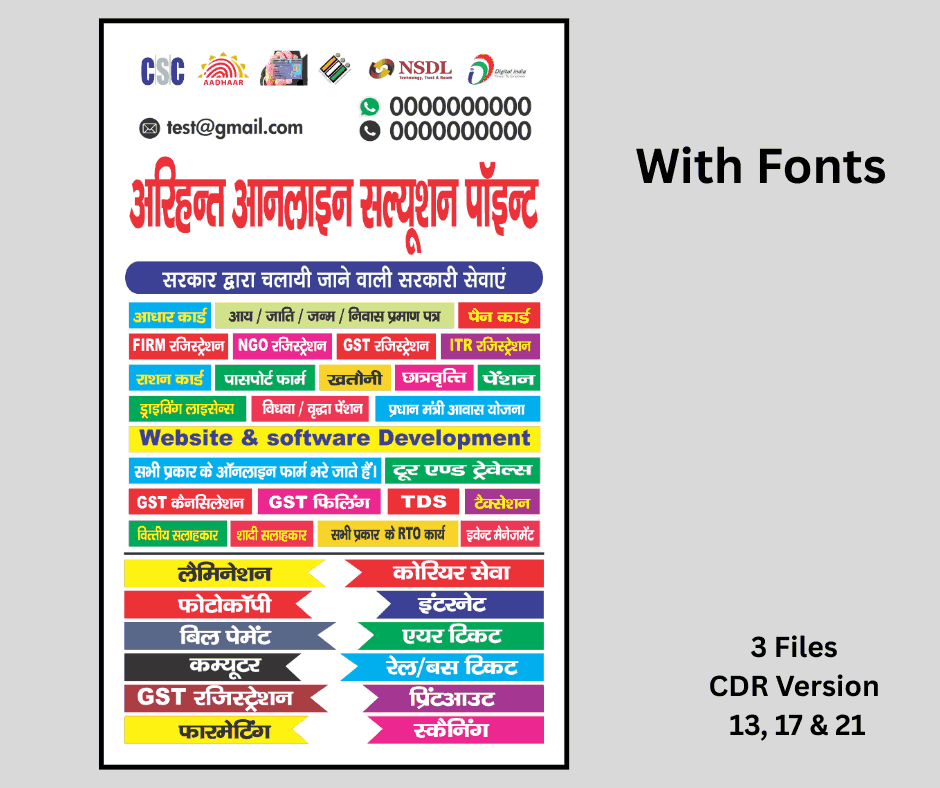
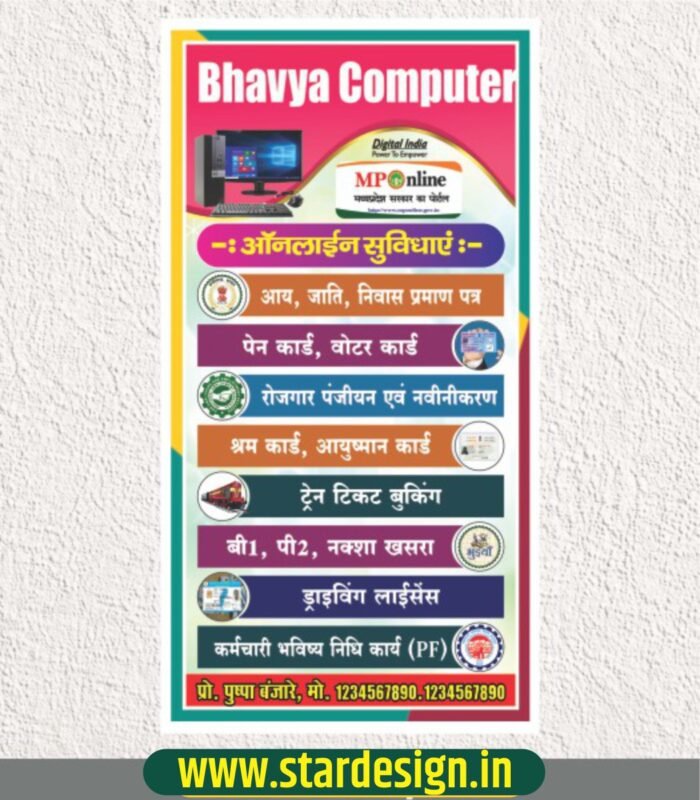
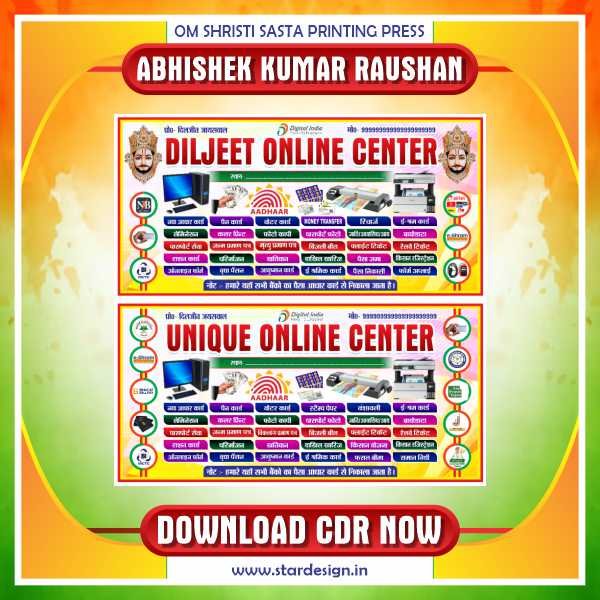
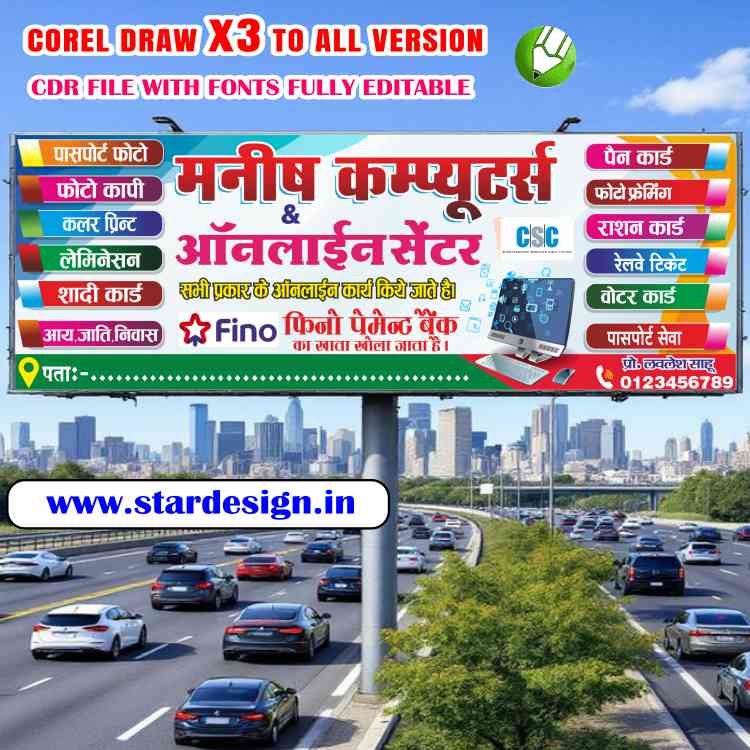
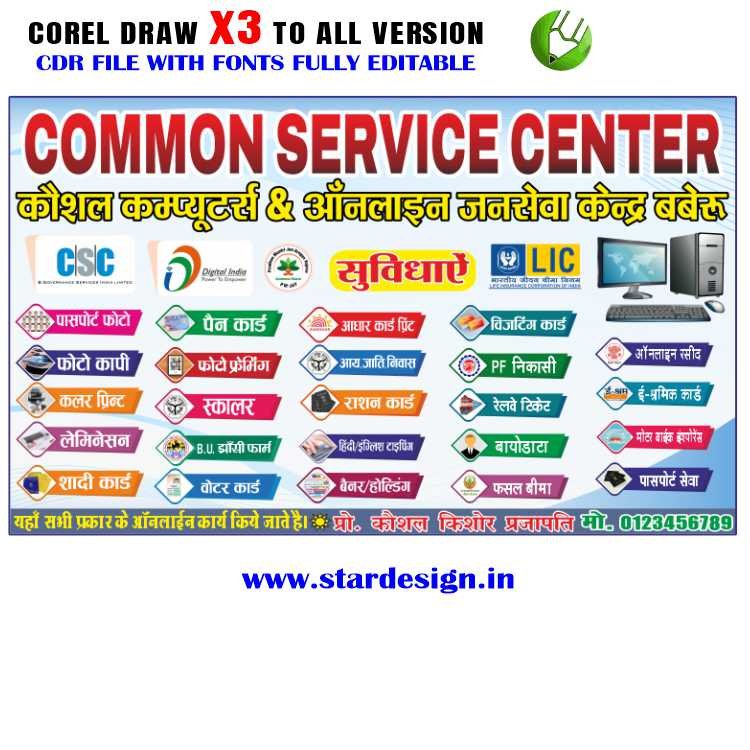
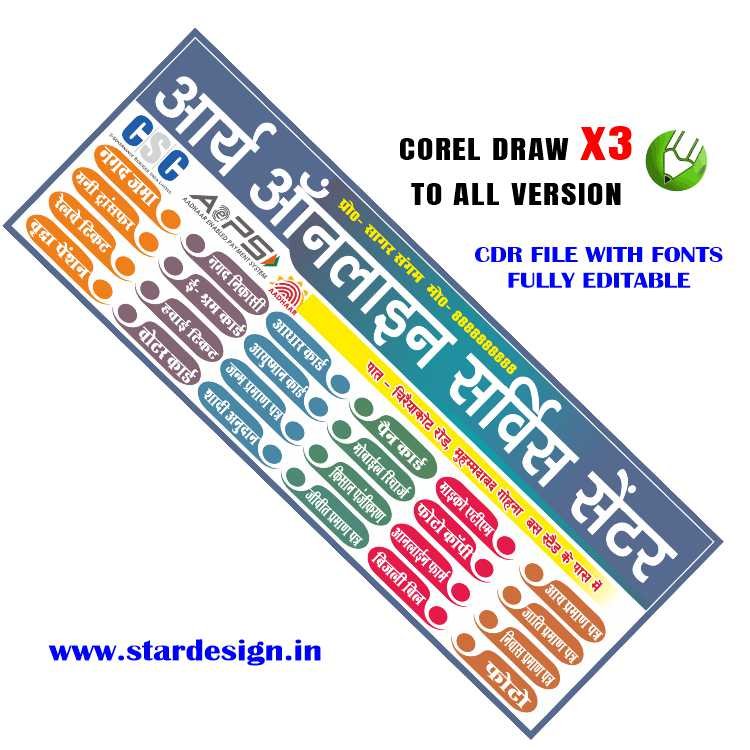
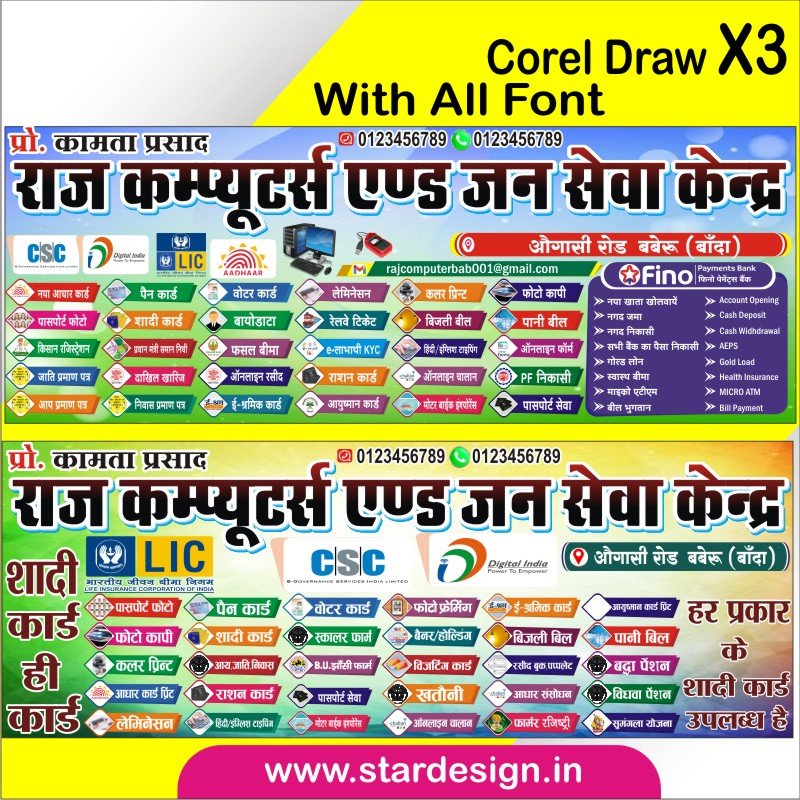
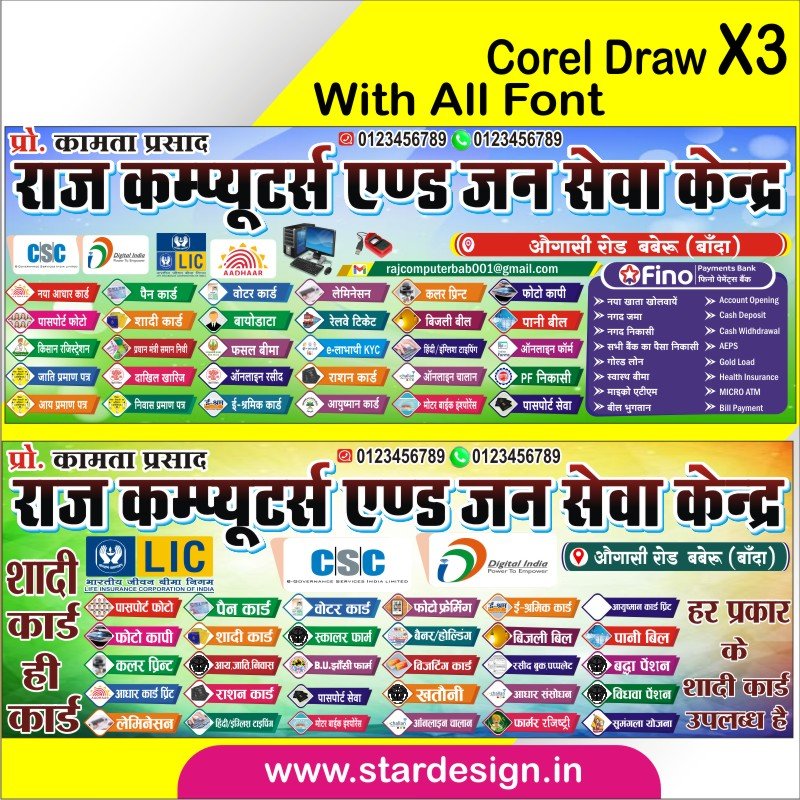
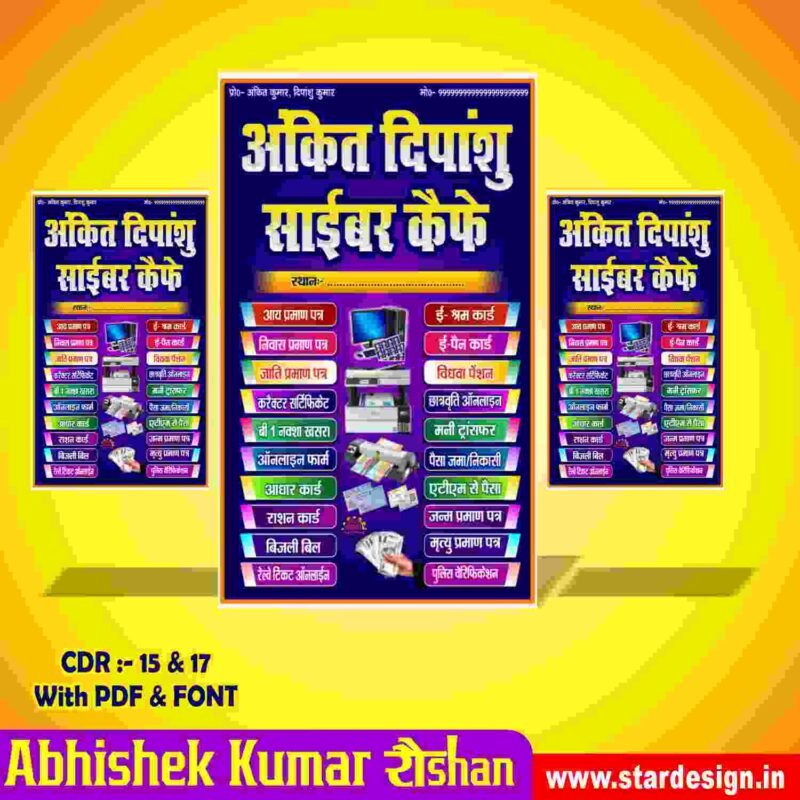
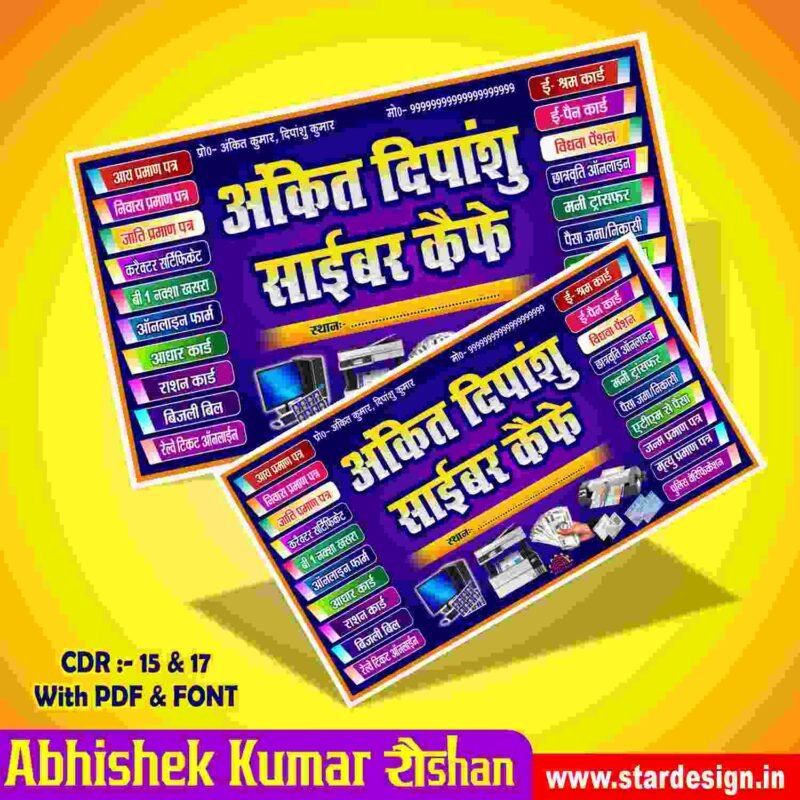
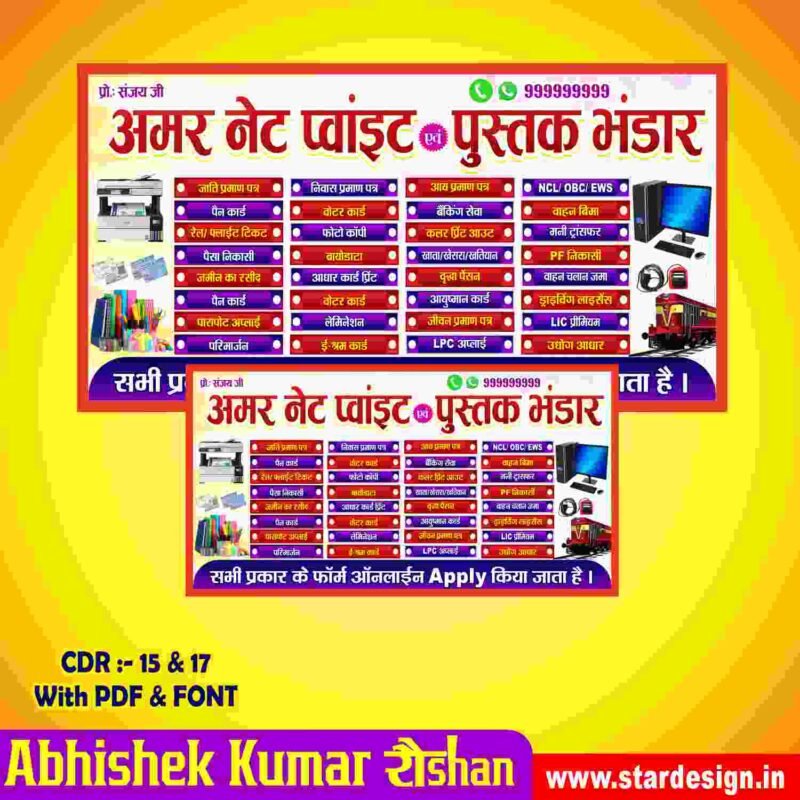
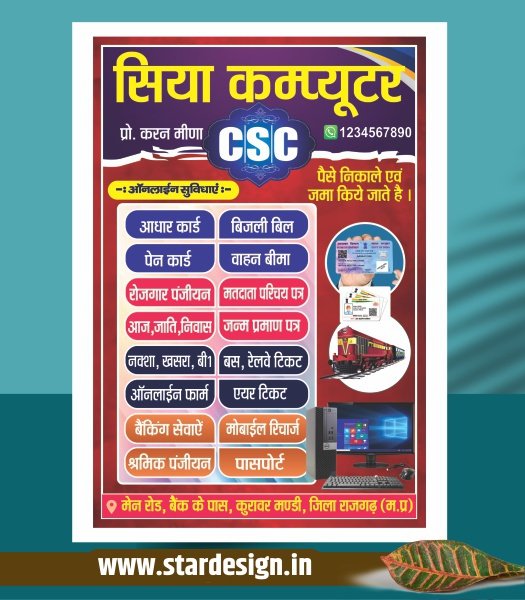
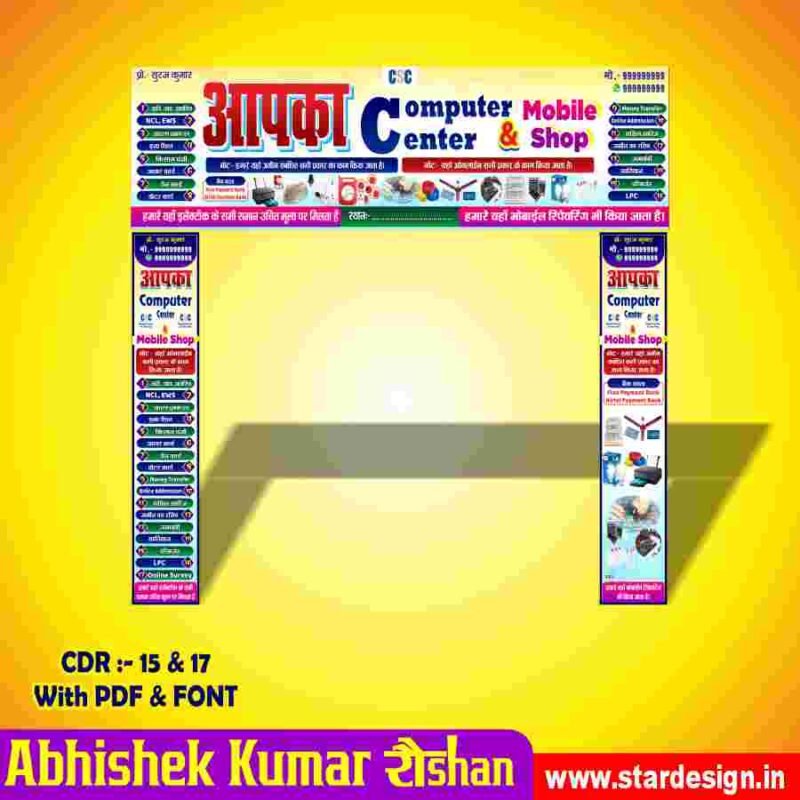
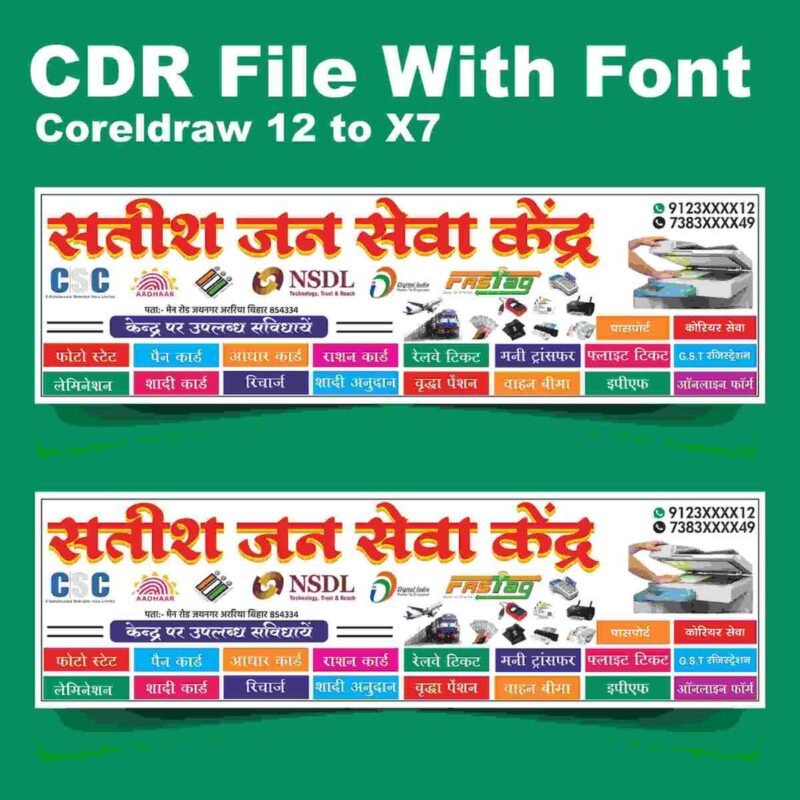
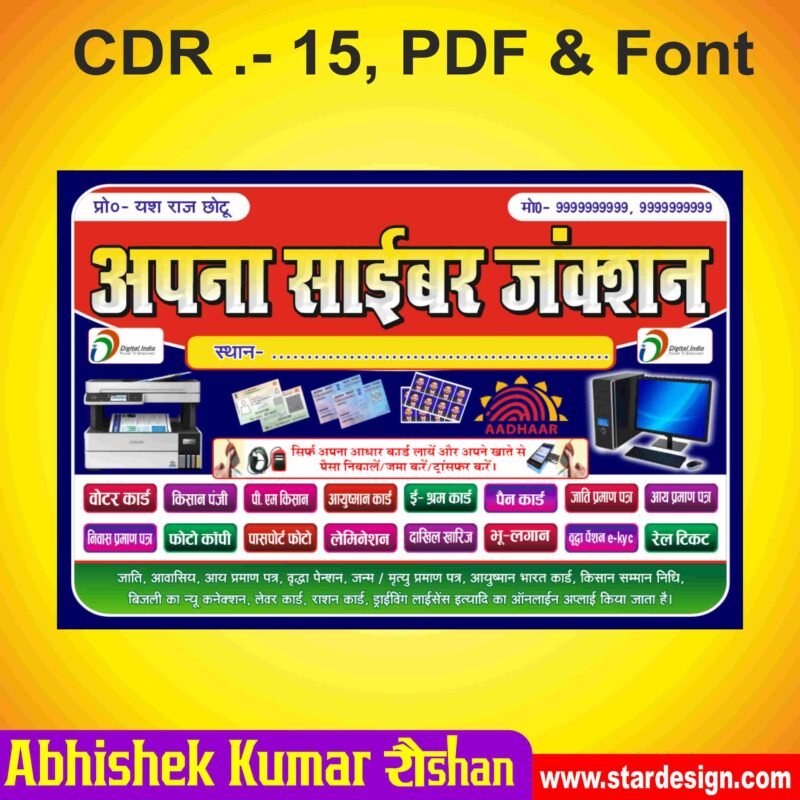
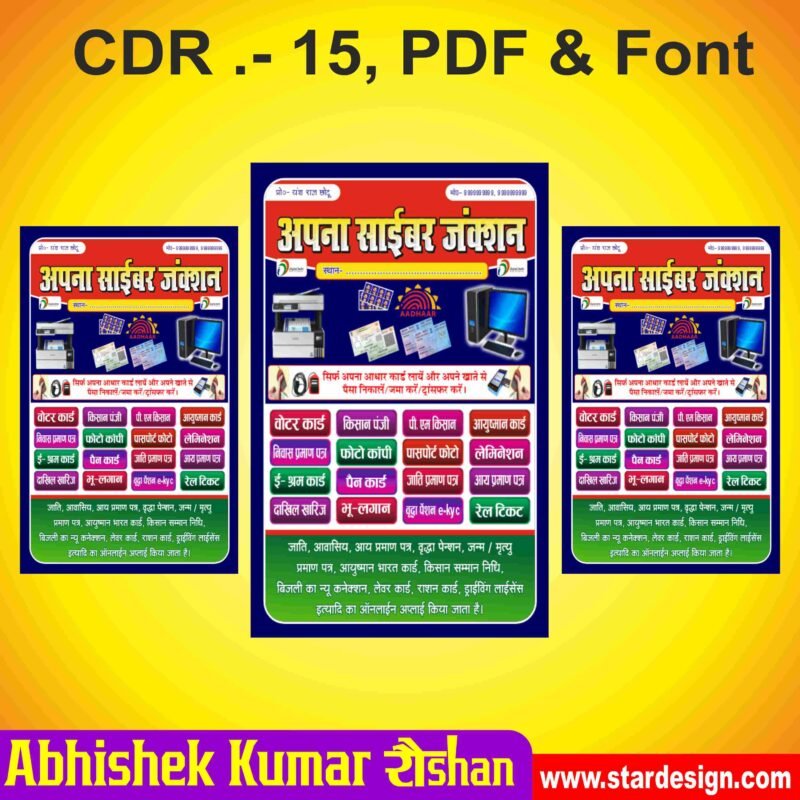
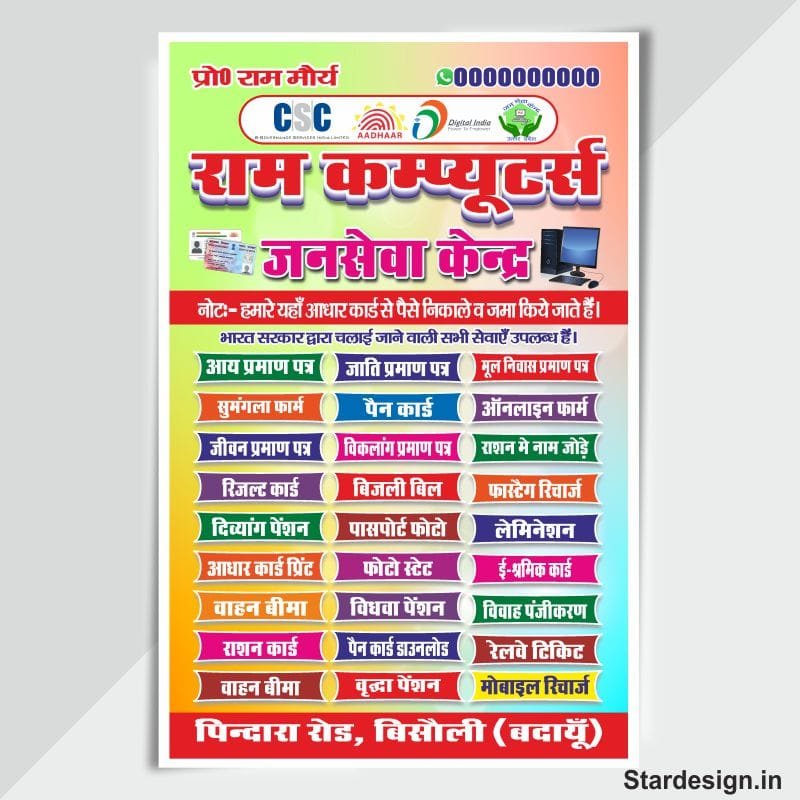
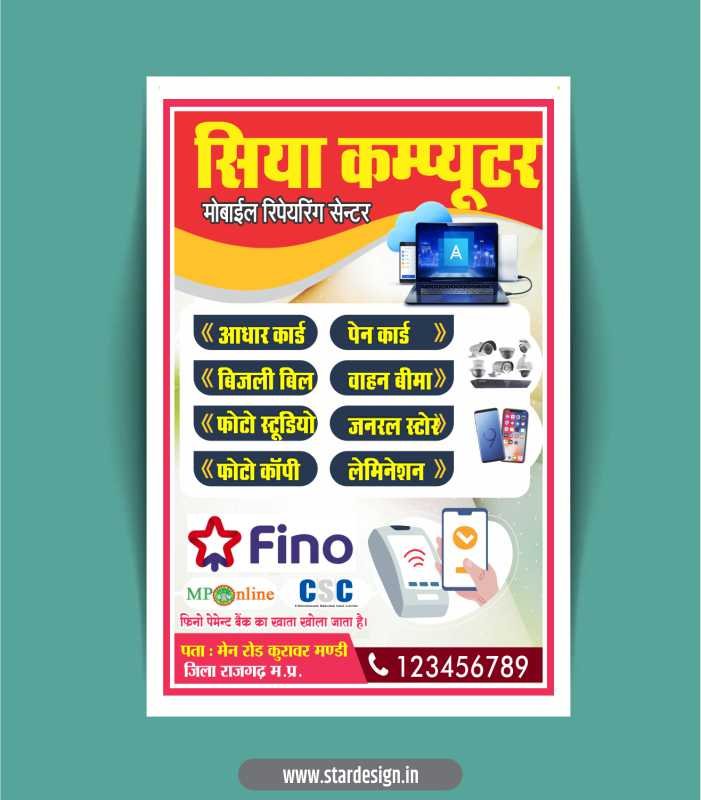
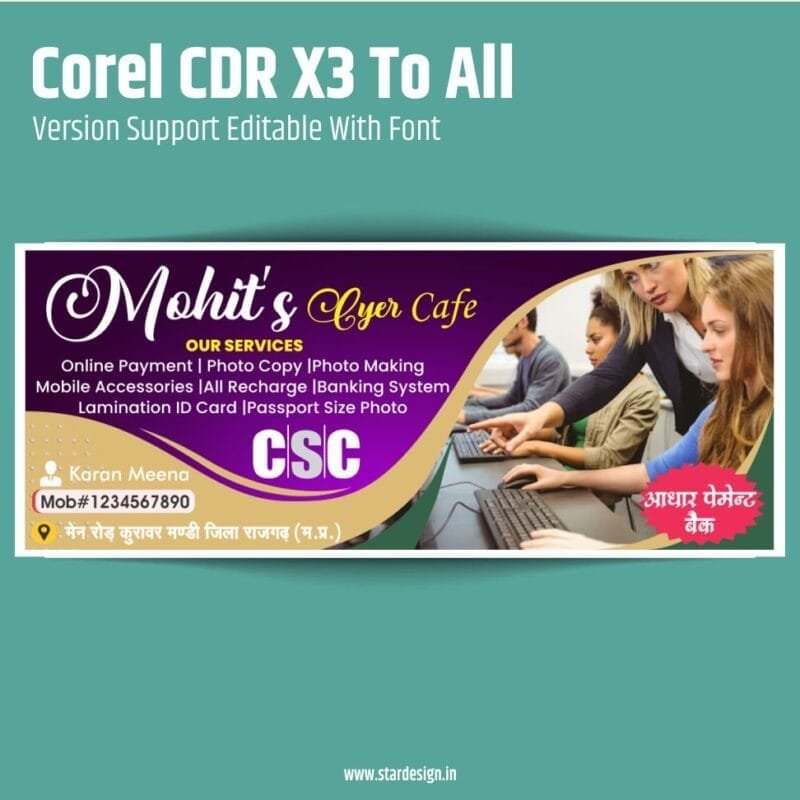
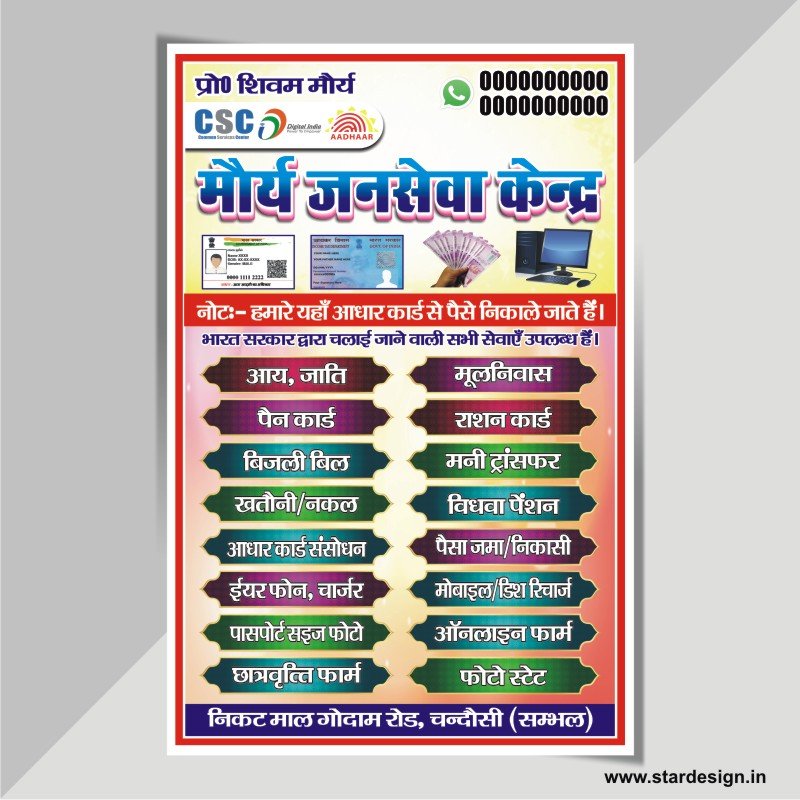
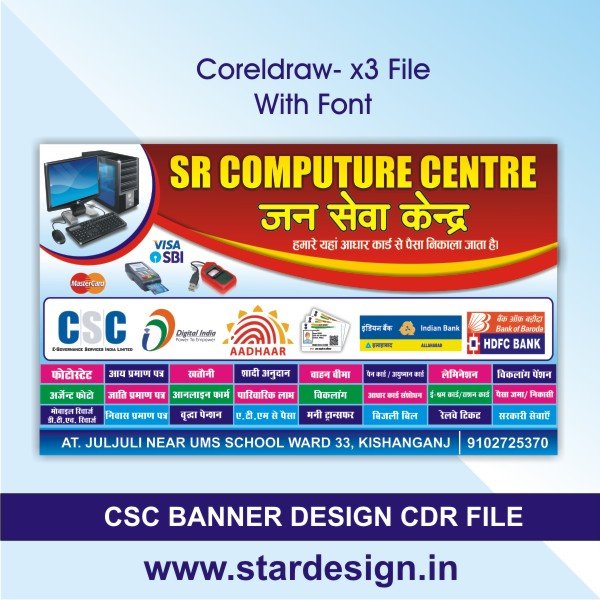
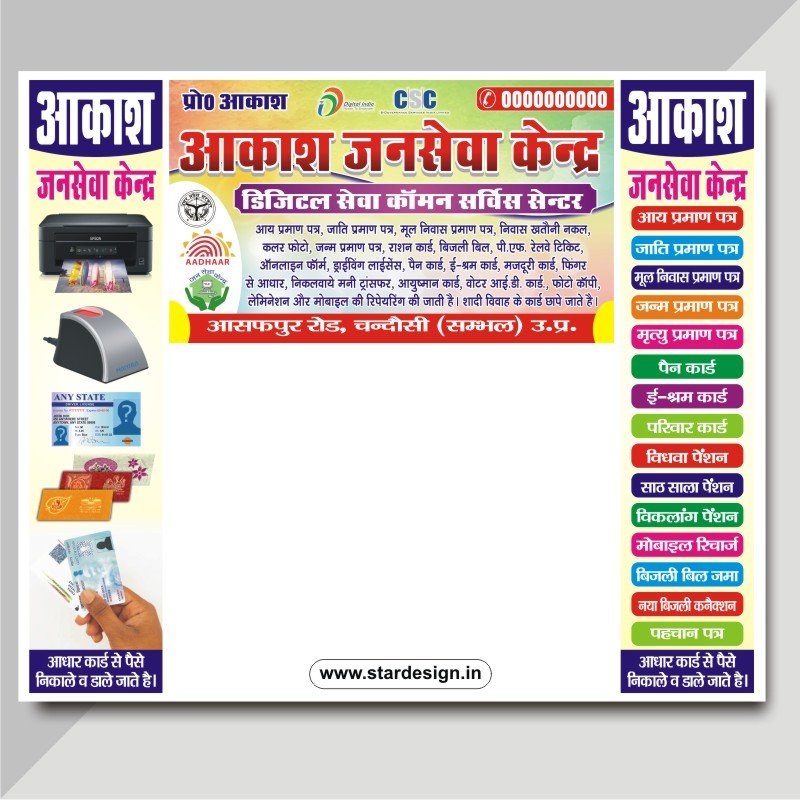
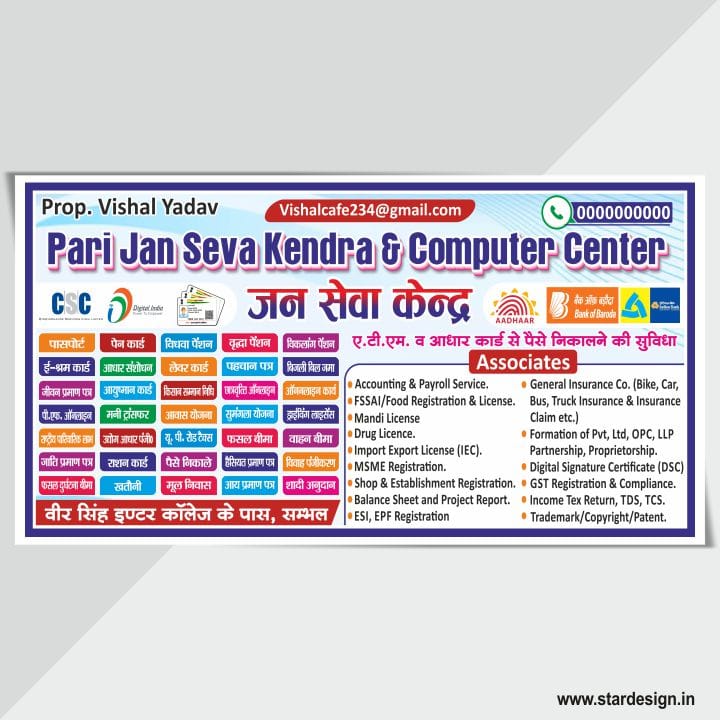
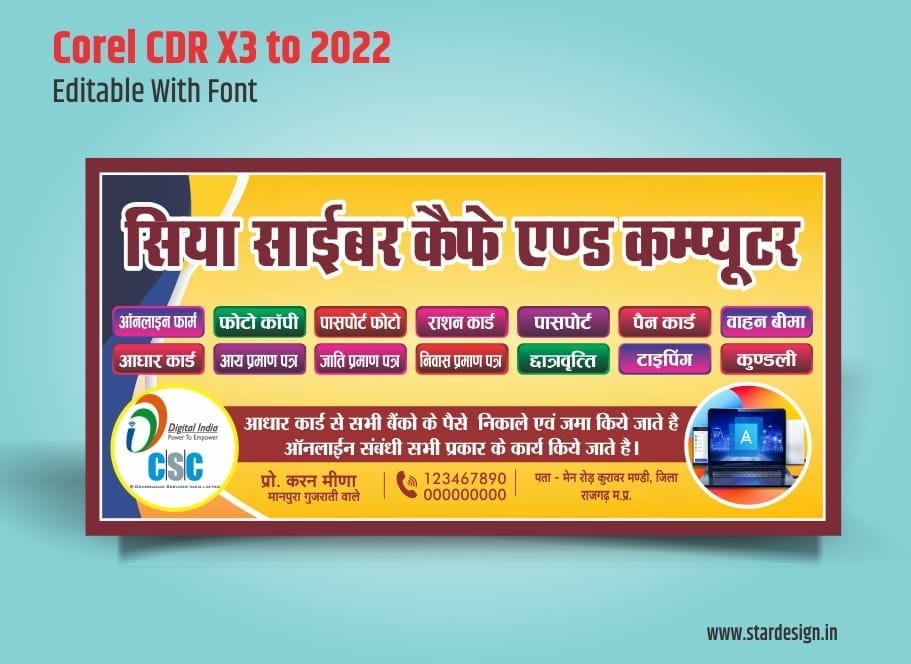
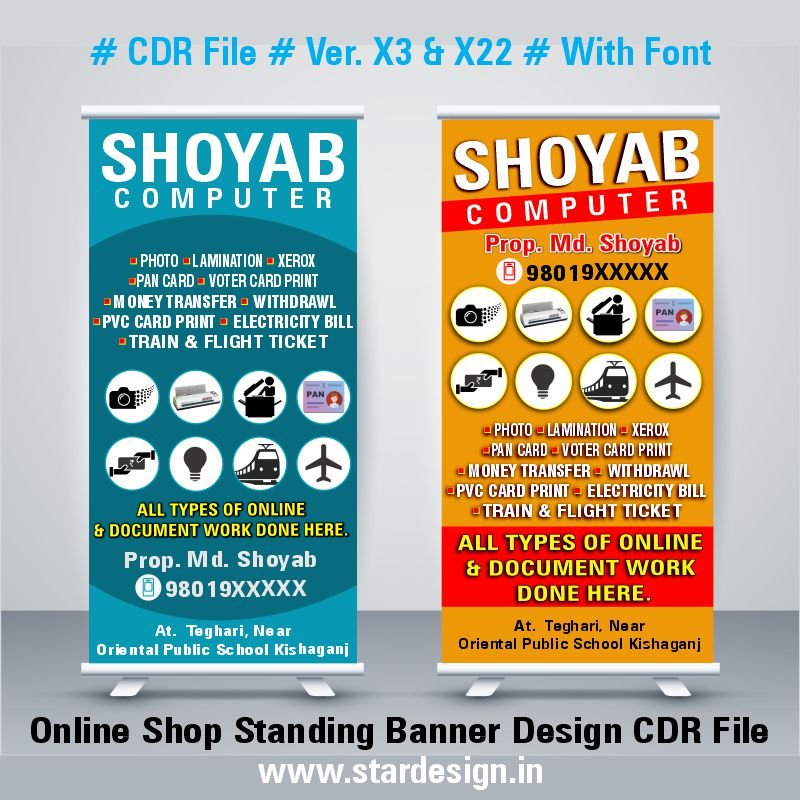
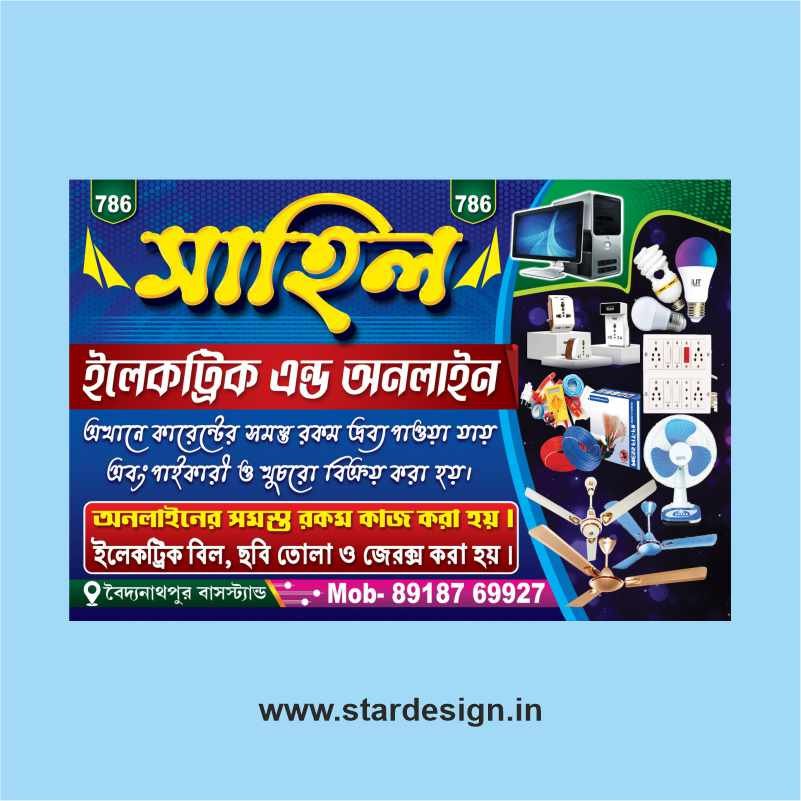
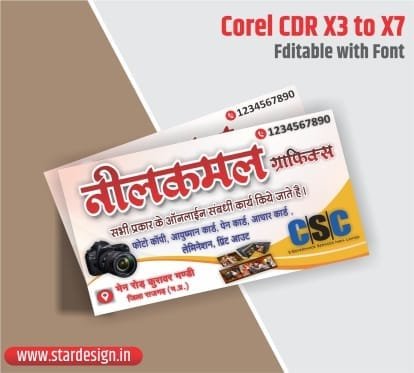
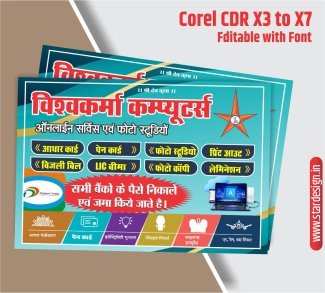
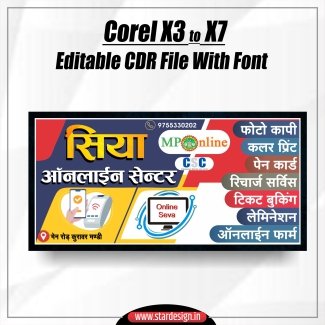
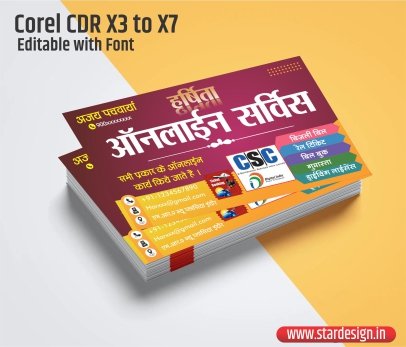
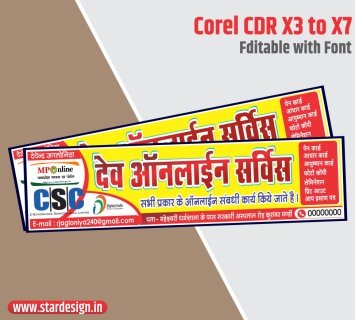
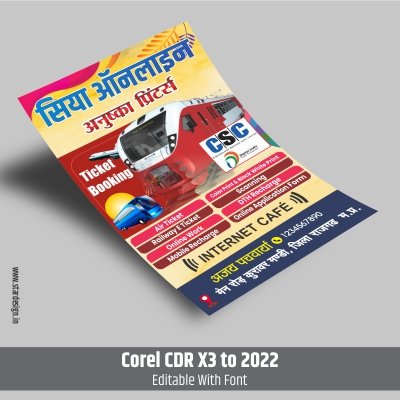
The physical design of a CSC significantly influences its effectiveness and the level of engagement it fosters among citizens. A well-designed banner, for instance, serves not only as a visual identifier but also as a powerful tool to communicate the purpose and offerings of the centre. When citizens are welcomed into a CSC through an aesthetically pleasing and informative banner, their likelihood of utilizing the services increases substantially. Consequently, visual appeal becomes an essential aspect of the CSC’s role in public service delivery.
Moreover, the layout and design elements employed in constructing a CSC should embody the core values of transparency, accessibility, and user-friendliness. Visual cues, such as colour schemes and typeface, can significantly impact how citizens perceive the centre and its services. An inviting design can foster trust and encourage individuals to seek assistance without hesitation. Therefore, the design of Common Service Centres is not merely cosmetic but integral to achieving their objectives of improving service utilization and engagement.
In conclusion, the design of Common Service Centres, particularly the aesthetics of their banners, plays an essential role in shaping citizen interaction. A thoughtful and engaging approach to design can greatly enhance the effectiveness of CSCs, encouraging community members to take full advantage of the services provided. As the focus on citizen services continues to grow, prioritizing effective design is paramount for realizing the mission of CSCs across the nation.
Elements of Effective Shop Front Design
The design of a shop front is crucial in making a strong first impression on potential customers. For Community Service Centers (CSCs), the elements of effective shop front design play a fundamental role in attracting the target audience and conveying the right message. Key components include color schemes, layout, materials, and overall aesthetics, all of which must resonate with a diverse demographic.
Firstly, the color scheme is one of the most influential aspects of shop front design. Colors evoke emotions and perceptions; thus, selecting colors that align with the center’s mission and values is essential. For instance, warm colors can create an inviting atmosphere, while cooler tones may project professionalism. It is vital to ensure that the chosen colors are not only aesthetically pleasing but also accessible to the community members who frequent the center.
Secondly, the layout must facilitate ease of access and navigation, allowing customers to identify services effortlessly. An intuitive layout enhances the overall experience, ensuring that individuals feel comfortable as they engage with the center. This can involve strategically placing signage and resources, optimizing flow and visibility for staff members.
Moreover, the choice of materials contributes significantly to the overall message conveyed by the shop front. Durable and high-quality materials can reflect the center’s commitment to service and community engagement. Additionally, incorporating sustainable materials aligns with modern practices aimed at minimizing environmental impact, which can further enhance the center’s reputation.
Lastly, the overall aesthetics should harmonize with the surrounding environment while embodying the principles of the center. Thoughtful architectural features and landscaping can complement the center’s mission, thereby strengthening community ties. By focusing on these critical design elements, CSCs can create an inviting and effective shop front that appeals to their target audience.
Standardization Across the Country
The establishment of Creative Service Centres (CSCs) plays a pivotal role in delivering essential services to the public across various states in the country. Standardization in the design of CSC banners is critical to achieving a cohesive representation of these centres, ensuring that regardless of location, individuals can easily identify and associate with the CSC brand. A uniform aesthetic not only promotes immediate recognition but also enhances the credibility and professionalism of services offered within these centres.
However, it is essential to strike a balance between standardization and the incorporation of local flavor. Each CSC serves a unique community with distinct cultural characteristics and preferences. By allowing some degree of customization within a standardized framework, CSCs can authentically represent the local region while maintaining a recognizable brand identity. This approach not only fosters community pride but also ensures that the services resonate more deeply with residents.
Furthermore, the importance of color schemes, typography, and visual elements in banner design cannot be understated. A standardized template can include guidelines that allow regional variations—such as local symbols or colors—while still adhering to core design principles that define the CSC brand. This flexibility encourages community engagement and ensures that all regions feel represented and valued under the nationwide CSC initiative.
In summary, while standardization across the country is essential for uniformity and brand recognition of Creative Service Centres, integrating local elements into banner design can enrich the overall experience. Continuous collaboration with local communities is crucial to achieving this balance, enhancing both the visibility of CSCs and strengthening the connection with their respective audiences.
Incorporating State Logo and Branding
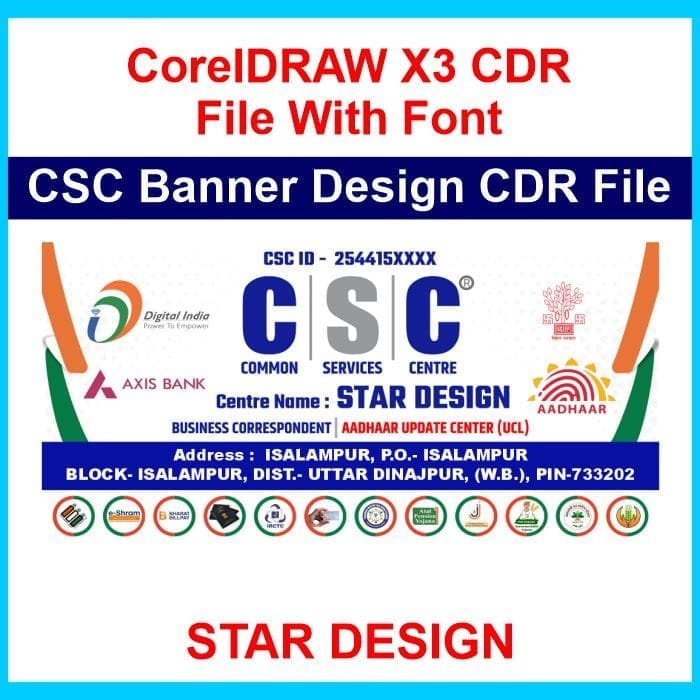
Incorporating the state logo and branding into the design of a CSC Centre banner is essential for ensuring a cohesive and professional appearance. The state logo serves as a crucial element of identity, reflecting the values and mission of the local government, while effective branding communicates the services and support provided by the centre to the community.
To achieve a harmonious design, it is important to follow specific guidelines regarding the placement and size of the logo. The logo should be prominently displayed but not overwhelm other important information on the banner. A general rule of thumb is to maintain a clear space around the logo to prevent clutter and draw attention to it, ensuring it resonates with viewers. Additionally, using the approved color palette associated with the state branding will further augments the banner’s professional feel and authenticity.
When integrating the state logo, consider how it interacts with various elements on the banner. Incorporating a balanced layout will create an inviting and informative display. Utilizing the state’s branding font can also contribute to a unified look across different promotional materials. Ensure that the typography is legible and complements the overall aesthetics of the banner.
It is equally important to refrain from overcrowding the design with excessive text or images when incorporating branding elements. Striking a balance between informative content and visual appeal is key. Maintaining a clean and organized design will enable the logo to stand out and foster recognition. Ultimately, a well-designed banner that incorporates state logos and branding effectively enhances community engagement, building trust and familiarity.
The Impact of Quality Design on Customer Attraction
In the highly competitive landscape of customer service centers (CSCs), the importance of quality design cannot be overstated. A well-designed banner plays a pivotal role in attracting customers, as visual appeal directly influences perception. Research indicates that 93% of consumers prioritize visual appearance over textual content when engaging with businesses. This statistic emphasizes the necessity for CSCs to invest in high-quality graphic design to enhance their customer attraction strategies.
One compelling case study involved a CSC that revamped its outdoor banner design. Prior to the redesign, the center experienced foot traffic averaging 150 visitors per week. However, after implementing a fresh, vibrant banner that effectively communicated services and values, footfall surged to over 300 visitors weekly. This resulted in a 30% increase in service usage, illustrating a clear correlation between design quality and customer engagement.
Furthermore, research by the Design Management Institute shows that organizations that prioritize design have outperformed their peers in terms of revenue and market share. This phenomenon can be attributed to the way customers subconsciously associate visual appeal with credibility and quality. When a CSC banner features compelling visuals, cohesive branding, and well-placed information, it not only captures initial attention but also instills trust, which is essential for service-based industries.
Moreover, clear and concise messaging integrated into an attractive design fosters an immediate connection with potential customers, guiding them towards making informed decisions regarding their service needs. The presence of aesthetically pleasing banners on a CSC facility can be the determining factor that influences customers to choose one service center over another. Therefore, investing in quality design is not merely a cosmetic upgrade; it is a strategic decision that can significantly enhance customer attraction and overall business success.
Creating a Welcoming Environment
Design plays a crucial role in establishing a welcoming atmosphere for visitors at any Creative CSC (Community Support Center). A well-thought-out design not only enhances aesthetic appeal but also promotes positive psychological effects that can significantly improve the overall experience for individuals entering the center.
Signage is one of the primary elements that contribute to the creation of an inviting space. Clear and engaging signs can lead visitors seamlessly to their desired locations while also providing valuable information that makes them feel welcomed and informed. Incorporating friendly graphics and warm colors into the signage can further invite visitors in, enhancing their initial impression of the center.
Lighting is another essential factor in setting the mood of the environment. Soft, natural lighting can create a sense of tranquility and comfort, making visitors feel at ease as they navigate the space. Strategically placed lighting fixtures can highlight key areas, such as waiting areas or resource centers, signaling to visitors where they can find assistance or support. A well-lit environment can also help alleviate feelings of anxiety that often accompany the need for services.
Landscaping also plays a significant role in creating a welcoming environment. Thoughtfully designed outdoor spaces that include greenery, flowers, and comfortable seating can create an inviting entrance that encourages visitors to engage with the center. Access to nature has been shown to improve mood and reduce stress, making it an essential component of the overall design strategy for a community support center.
Collectively, these design elements—signage, lighting, and landscaping—intersect to create an inviting environment. Such thoughtful design not only attracts visitors but also supports their well-being, facilitating a positive experience as they interact with the facility and its offerings.
Signage as a Key Design Element
Signage plays a pivotal role in the design of Citizen Service Centers (CSC). It serves not only as a communication tool but also as a means to enhance the overall functionality and aesthetic of the space. Effective signage is critical for guiding citizens through the various services provided by a CSC, ensuring that information is readily accessible and easily understood.
One of the key design principles for effective signage is visibility. Signage should be strategically placed in locations where it can be easily seen by individuals entering or navigating the CSC. This often involves using larger fonts, high-contrast colors, and clear symbols that can be understood at a glance. The goal is to create a cohesive flow that leads visitors to their desired destinations, minimizing confusion and frustration.
In addition to visibility, the clarity of information presented on signs is equally essential. Citizens should be able to understand the message conveyed without requiring additional explanation. This necessitates the use of succinct language, straightforward icons, and, when necessary, additional language translations depending on the community’s demographics. Each element of the signage should serve a purpose that contributes to enhancing understanding and navigation.
Moreover, well-designed signage can elevate the aesthetic appeal of a CSC. Thoughtful integration of signage into the overall design can create a welcoming environment that encourages visitors to engage with the services offered. For example, incorporating local art or cultural themes into the signage can improve relatability and foster a sense of community pride.
In summary, signage is a critical design element in the overall structure and function of a Citizen Service Center. It not only facilitates efficient navigation but also ensures that citizens receive vital information in a clear and accessible manner. By prioritizing visibility, clarity, and aesthetic appeal, CSCs can greatly improve their service delivery and user experience.
Gathering feedback from users regarding the design of the Creative CSC Centre is paramount to ensuring that the space effectively meets their needs. User feedback not only provides valuable insights into the functionality and aesthetics of the centre’s banner design but also highlights areas that require enhancement. There are several methods for collecting this feedback, which can significantly contribute to making informed improvements to the physical space.
One effective method for gathering feedback is through structured surveys. These surveys can be distributed both digitally and in print, allowing users to provide their opinions on various design elements, including signage visibility, clarity of information, and overall appeal. By creating a mix of qualitative and quantitative questions, the centre can obtain a comprehensive understanding of user preferences and experiences. Additionally, incentivizing participation in these surveys can increase response rates, leading to more representative data.
Another approach is to conduct focus group discussions with a select group of users, offering a more in-depth exploration of their perceptions and suggestions. These discussions allow for real-time interaction and can uncover nuances that surveys may miss. Moreover, implementing digital feedback tools, such as comment boxes on the centre’s website or social media platforms, enables ongoing user engagement and aids in capturing spontaneous reactions to recent changes in design.
Once feedback has been collected, it is crucial to analyze the data systematically. Identifying patterns and trends in the feedback will assist in prioritizing design improvements that will resonate with the majority of users. By integrating user suggestions into the ongoing development process, the CSC not only enhances the current design but also fosters a culture of continuous improvement that keeps pace with changing user expectations.
Conclusion: The Future of CSC Centre Designs
In reflecting on the significance of creative CSC centre banner design, it is clear that these visual elements play a pivotal role in shaping citizen engagement and outreach effectiveness. The utilization of appealing and informative banners not only enhances the aesthetic appeal of the centres but also serves as a crucial communication tool. As we have explored, the importance of adaptive design in response to the changing needs of the community cannot be overstated.
Looking ahead, the future of CSC centre designs appears to be rooted in flexibility and innovation. With the ongoing advancement in technology and shifting societal expectations, it is essential for designers to embrace adaptability while conceptualizing their banners. This entails a keen awareness of emerging trends, such as the integration of interactive elements and digital displays that cater to a tech-savvy population. Furthermore, the emphasis on user-centric design will remain critical, ensuring that designs resonate with the diverse demographics they serve.
Collaboration between local authorities, designers, and community members will also likely play a crucial role in the evolution of CSC centre banners. Gathering feedback and insights from the end users can lead to more effective designs that truly reflect the needs and preferences of the citizens. Additionally, sustainability will likely become a more prominent theme in design practices, prompting the use of eco-friendly materials and energy-efficient technologies that align with broader environmental goals.
In conclusion, the future of CSC centre designs hinges on their ability to evolve alongside community needs and technological advancements. By prioritizing creativity, adaptability, and collaboration, these design initiatives can ensure the continued relevance and effectiveness of CSC centres in fulfilling their mission to empower and support citizens.