Understanding the Importance of Pathology Lab Banner Design
The design of a banner in a pathology lab plays a pivotal role in the overall marketing and branding strategy of the facility. An effective banner serves not just as a visually appealing element but also as a crucial communication tool that informs clients and patients about the services offered. The importance of a well-crafted pathology lab banner lies primarily in its ability to enhance visibility and promote brand recognition.
In a competitive healthcare landscape, a professional banner design can set a pathology lab apart from its competitors. It effectively communicates the lab’s dedication to high-quality care and reliable results. A well-designed banner can evoke trust and confidence in potential clients, making them more likely to choose your lab for their diagnostic needs. The use of appropriate colors, fonts, and imagery can significantly impact how the banner is perceived and can communicate the lab’s ethos and mission effortlessly.
Moreover, banners are essential for conveying critical information, especially in busy environments like hospitals or clinics. They can be used to provide directions, highlight special services, and announce laboratory hours, ensuring that essential details are easily accessible. This not only aids patients but also positions the pathology lab as organized and customer-focused, reinforcing a positive image.
Furthermore, the banner can be utilized as a marketing tool to promote new tests or community outreach programs aimed at disease awareness and prevention. By strategically placing these banners at relevant locations, the lab can maximize its outreach and facilitate engagement with the community effectively. Thus, investing in a professional banner design is not merely an aesthetic choice; it represents a significant opportunity to enhance visibility, convey professionalism, and communicate vital information in a manner that resonates with clients and patients alike.
Key Elements of Pathology Lab Banner Design
Creating an effective banner design for a pathology lab involves carefully considering several key elements. Each component contributes to the banner’s capacity to communicate essential information effectively and attractively. The primary focus should be on clarity, professionalism, and relevance to healthcare and diagnostics.
First and foremost, the pathology lab’s logo should be prominently displayed on the banner. The logo serves as a visual identifier and conveys the lab’s brand identity, instilling confidence in potential clients and partners. It should be high-resolution and placed in a way that it is easily recognizable from a distance.
In addition to the logo, including clear and accessible contact information is crucial. This typically encompasses the lab’s phone number, email address, and website. This ensures that viewers can quickly reach out for inquiries or appointments, promoting better communication. Positioning this information at the bottom or corner of the banner helps maintain a clean design while allowing easy access for potential clients.
Highlighting the services offered by the lab is another essential element. This can include diagnostic tests, specimen handling, and other specialized services. Employing bullet points or brief statements can effectively communicate these services without overwhelming the viewer. The language should be straightforward and directly reflect what the lab provides.
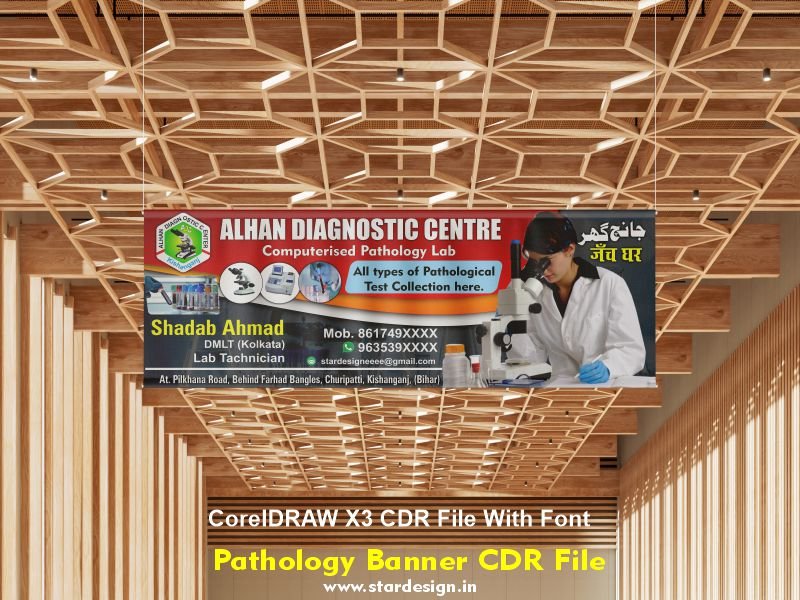
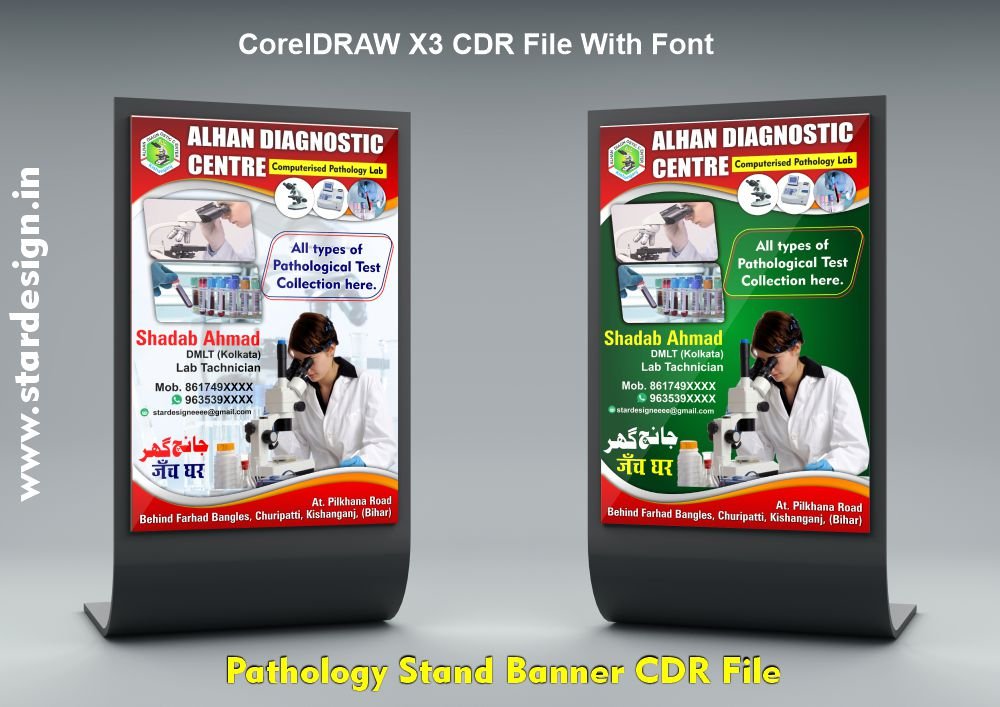
Lastly, imagery plays a pivotal role in reinforcing the banner’s message. Selecting images that reflect healthcare and diagnostics, such as laboratory equipment, samples, or healthcare professionals at work, can attract attention and convey professionalism. These images should complement the written content and enhance the overall aesthetic of the banner, creating a cohesive design.
Choosing the Right Materials for Your Banner
When creating a pathology lab banner, the choice of materials used can significantly influence its effectiveness in communication and appeal. Understanding the characteristics of various materials can help achieve the desired balance between durability, visual impact, and budget. Among the popular materials for banners, vinyl, fabric, and retractable banners stand out, each offering unique advantages and limitations.
Vinyl banners are renowned for their durability and weather resistance, making them an excellent choice for both indoor and outdoor settings. Their ability to withstand different climatic conditions ensures longevity, which is particularly important for frequently used banners. Additionally, vinyl can be printed with vibrant colors and high-resolution images, enabling effective visual communication of complex information. However, while they are cost-effective, some might find them less environmentally friendly compared to other options.
Fabric banners, on the other hand, offer a refined appearance and a softer feel, which can contribute to an inviting atmosphere in a pathology lab setting. The use of fabric can enhance the tactile experience of the banner, making it visually appealing in various environments. Fabric banners are typically lightweight and can be more eco-friendly, depending on the material used. However, they may be less durable than vinyl and can require careful handling to avoid tearing or wrinkling. Additionally, they may require more frequent replacement, impacting overall costs in the long term.
Retractable banners are praised for their ease of use and portability. They come with built-in mechanisms that allow for quick setup and takedown, making them ideal for events or presentations. These banners can be reused multiple times and stored conveniently when not in use. While they generally feature printed graphics, the quality may vary, and potential buyers should examine the printing technique to ensure clarity and visual appeal. In summary, selecting the right material for a pathology lab banner involves considering factors such as purpose, location, budget, and visual goals. Each material serves a specific need, and understanding these differences can significantly improve the effectiveness of the overall design.
Color Psychology in Pathology Lab Banner Design
Color plays a crucial role in the effectiveness of banner design, particularly within a pathology lab context. The colors selected for a banner do more than just serve an aesthetic purpose; they convey messages and influence perceptions. The psychological impact of colors can evoke certain emotions and associations, which can be vital in settings where trust and clarity are paramount.
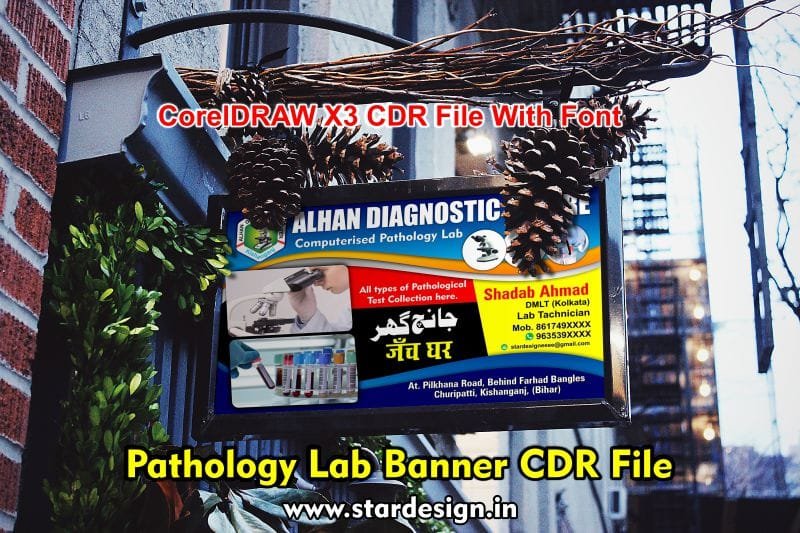
For instance, blue is frequently associated with trust, reliability, and professionalism. In a pathology lab, where patients often seek assurance regarding their health, incorporating shades of blue can create a calming effect and instill confidence. This hue not only makes the institution appear more credible but also contributes to a sense of security, which is essential in healthcare environments.
Similarly, green is another significant color relevant to the pathology sector. It embodies qualities of health and cleanliness, making it a favorable choice for designs aiming to project a sterile and hygienic atmosphere. Utilizing green tones can remind viewers of wellness and recovery, reinforcing the laboratory’s commitment to providing accurate and timely results.
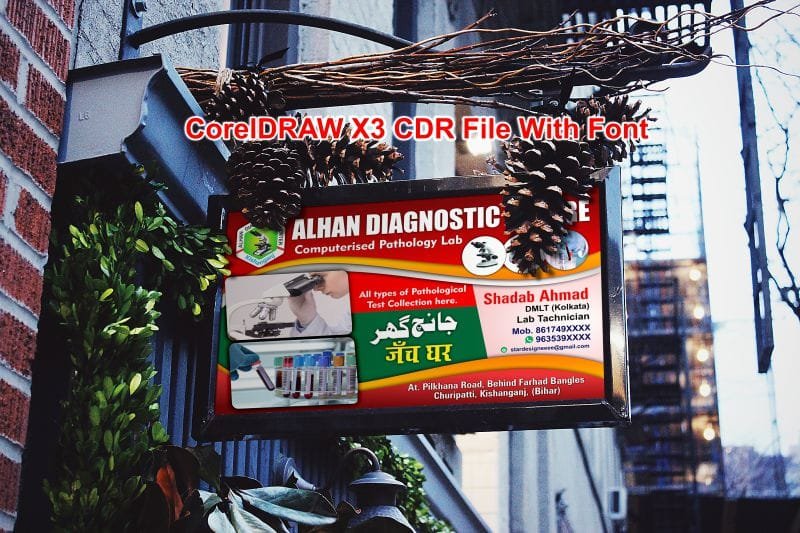
Conversely, overusing red can lead to feelings of alarm or urgency, which may not be ideal for a pathology lab that seeks to promote a sense of reassurance. While red can symbolize passion and vitality, it is crucial to use it sparingly to avoid creating an atmosphere of anxiety. Instead, a balanced color palette that combines trusted hues like blue and green, with minimal elements of red, can effectively convey professionalism without overwhelming the viewer.
When designing a banner for a pathology lab, careful consideration of color choices is imperative. By implementing a thoughtful color scheme that represents trust, cleanliness, and professionalism, the banner can effectively communicate the lab’s values, encouraging patients to engage with its services.
Typography and Font Selection for Banners
Typography is a crucial element in creating an effective banner design, particularly for a pathology lab that wishes to convey professionalism and clarity. The way text is presented can significantly impact how the intended message is received by the audience. When designing a banner, care must be taken to ensure that the chosen fonts are not only aesthetically pleasing but also easily readable from a distance.
One of the essential considerations in typography is readability. Fonts that are too ornate may look appealing but can hinder comprehension, especially when viewed from afar. It is advisable to select sans-serif fonts, as they typically offer a cleaner and more modern appearance that enhances legibility. Important information such as the lab’s name and key services should be prominently displayed using bold fonts that stand out against the background. A good rule of thumb is to ensure that the font size is large enough to be readable from at least 15 to 20 feet away, depending on the location where the banner will be displayed.
Another critical aspect is branding consistency. The fonts used in the banner should align with the pathology lab’s established identity. If specific fonts are used in other branding materials, such as brochures or business cards, it is beneficial to maintain this uniformity. This consistency helps reinforce brand recognition and builds trust with potential clients. Utilizing a limited number of font types—ideally two or three—can also prevent visual clutter. Greater impact can be achieved by creating a visual hierarchy, using different font weights or sizes to delineate primary information from secondary details.
By carefully selecting typography and ensuring it complements the lab’s branding while enhancing readability, a pathway to effective communication through banner design can be established. This attention to detail not only promotes professionalism but also contributes to the overall success of the banner in attracting attention and conveying essential information effectively.
Incorporating Imagery and Graphics
In the realm of pathology lab banner design, the incorporation of imagery and graphics cannot be understated. Visual elements play a vital role in effective communication, as they have the ability to convey complex ideas quickly and efficiently. For pathology labs, utilizing appropriate imagery not only enhances the aesthetic appeal of the banner but also reinforces the lab’s professionalism and expertise.
When designing a banner, choosing images that represent the services offered by the pathology lab is paramount. For instance, incorporating graphics of diagnostic tools, specimens, or imagery depicting laboratory processes can create a deeper connection with potential clients. Such visuals not only attract attention but also provide an instant understanding of the lab’s capabilities—essentially acting as a visual shorthand for the services available.
Moreover, it is crucial to ensure that the images used in the design align with the overall branding and identity of the pathology lab. This uniformity reinforces brand recognition and establishes credibility within the medical community. High-resolution graphics, whether photographs or illustrations, contribute to an impression of quality, thus reflecting the standards and professionalism that clients expect from a laboratory.
Additionally, the color palette and graphic design elements employed should adhere to a clean and professional aesthetic. Overly complex designs can distract from the key message and dilute the effectiveness of the banner. Minimalistic designs, featuring clearly defined imagery against a cohesive background, can increase readability and engagement. Striking a balance between informative content and appealing visuals is essential in creating an impactful pathology lab banner.
Designing for Different Venues and Contexts
Creating an effective banner design for a pathology lab necessitates an understanding of the various contexts in which these banners will be displayed. Whether it be at conferences, trade shows, or office environments, each setting requires distinct considerations to ensure that the visual message resonates with the intended audience.
At conferences, for instance, banners should be designed to capture immediate attention amidst a backdrop of competing visuals. Selecting bold colors, large fonts, and clear imagery pertaining to pathology can significantly improve visibility from a distance. It is also essential to include concise messaging that quickly communicates key services or advancements within the lab. This allows attendees to grasp critical information in a limited time frame.
Trade shows offer their unique dynamics, where layout and interactions are fundamental. Banners in these contexts may benefit from incorporating interactive elements or QR codes that direct viewers to more detailed information online. In such settings, including visual representations of pathology services or demonstrations can engage attendees effectively, helping them connect with your offerings on a deeper level.
In contrast, banner designs placed in office environments should reflect a more understated elegance, aligning with the professional atmosphere of the space. These banners can focus on the lab’s credibility and innovative practices, using less aggressive color schemes and more refined typography. Here, the goal would be to create a sense of trust and professionalism rather than instant engagement.
By understanding the specific requirements and expectations of different venues, pathology labs can ensure that their banner designs not only enhance visibility but also resonate effectively with the target audience, thereby enhancing the potential for meaningful engagement.
Successful Pathology Lab Banners: Case Studies
Creating an impactful pathology lab banner is essential for effective communication and engagement with clients. Numerous labs have successfully designed banners that convey crucial information while captivating their audience’s attention. By examining these case studies, other laboratories can gather insights into what makes a banner successful.
One exemplary case is a pathology lab based in New England that effectively utilized color psychology. Their banner prominently featured shades of blue and green, colors associated with trust and health. This approach not only resonated with their target audience but also helped in establishing a sense of professionalism. The central message highlighted their commitment to quality diagnostics and swift turnaround times, which are critical for patients awaiting results.
Another notable example comes from a laboratory in California which focused on visual storytelling. Their design incorporated images of laboratory equipment and scientists at work, effectively portraying a narrative about their commitment to cutting-edge technology and innovation. The use of high-resolution images drew potential clients in, making them feel more connected with the lab’s capabilities. Additionally, key information was presented in bulleted form, allowing for easy readability and quick understanding.
A third example highlights a lab that took a community-oriented approach. Their banner showcased partnerships with local healthcare providers and ongoing educational initiatives. This not only communicated their services but also reinforced the message that the lab is an integral part of the healthcare community. The banner utilized a clear, cohesive layout that emphasized these aspects, proving that a well-structured design can enhance message clarity.
These case studies illustrate that effective pathology lab banners are characterized by thoughtful design elements, clarity of message, and a focus on engaging the audience. By learning from these examples, other labs can elevate their banner designs to better serve their communication objectives and foster client relationships.
Tips for Collaborating with a Designer
Effective collaboration with a graphic designer is crucial when creating a banner for a pathology lab. The process begins with clear communication about your vision and objectives. Before engaging with a designer, articulate the goals you wish to achieve with the banner. Consider the target audience, desired message, and key information to be highlighted. By providing this foundational information, you can ensure that the designer approaches the project with a thorough understanding of your needs.
Next, gather visual references to convey your aesthetic preferences. This can include examples of banners you admire or design elements that align with your lab’s branding. Sharing these examples will allow the designer to grasp the style you envision, resulting in a more aligned initial concept. Additionally, be open to the designer’s professional insights; their expertise can guide you in making informed decisions about colors, fonts, and layout.
During the design process, establish a feedback mechanism that encourages constructive dialogue. Instead of vague comments like “I don’t like this,” provide specific feedback that identifies what aspects are not meeting your expectations. This could involve discussing how certain colors may not represent your lab’s professionalism or how the font might impact readability. Offering detailed feedback fosters a collaborative atmosphere, helping the designer refine the work to better suit your needs.
Moreover, schedule regular check-ins to monitor progress and address concerns promptly. This iterative process allows adjustments to be made while ensuring that the final design is on track to meet the lab’s goals. Lastly, before finalizing the design, verify that all elements, including logos, contact information, and key messages, are accurate and align with the lab’s vision. Good collaboration with a designer not only brings your ideas to life but results in a banner that effectively represents your pathology lab.